
Plants
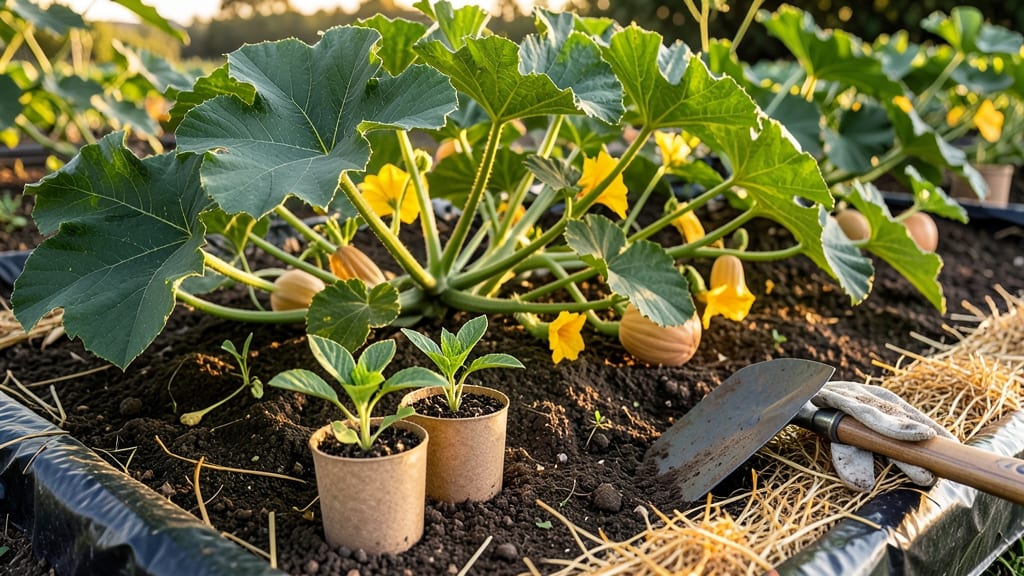
Planting butternut squash in Florida means timing it right to avoid wilting vines in the heat or losing crops to early frosts—your best windows are mid-March to early May for spring and September to early October for fall.
Picture this: you’ve spent weeks prepping soil and waiting for the perfect moment, only to watch your plants bolt in the summer sun or struggle under unexpected chilly spells. Florida’s climate is tricky, but with the right schedule, you can outsmart it and enjoy a bountiful harvest instead of guesswork.
This guide breaks down the exact planting times for your Florida zone, from North to South, plus heat-tolerant tricks like mulching and shade cloth to keep your 🎃 thriving when temperatures soar.
You’ll also learn how to spot the ideal soil conditions, space plants for maximum yield, and avoid common pitfalls that turn Florida gardens into disappointment zones.
Optimal planting windows for butternut squash in Florida’s climate zones
Florida’s climate varies dramatically from the panhandle’s cooler North to the humid, frost-free South, making planting butternut squash a regional balancing act. The key is avoiding early frost in the North while escaping summer’s brutal heat in Central and South Florida.
My strategy? Plant in spring or fall—never summer—when temperatures stay between 60°F and 85°F for consistent growth.
Butternut squash thrives in USDA Zones 9a-11, but your exact timing depends on whether you’re in North Florida (Zones 8a-9a), Central Florida (Zone 9a-9b), or South Florida (Zone 10a-11).
In the North, frost can linger until mid-January, while South Florida gardeners never see frost. This means your planting window shifts 2-3 months depending on your location.
Here’s the non-negotiable rule: Wait until soil temperatures hit 60°F+ and all frost risk has passed. Use a soil thermometer to confirm—cold soil stunts growth. In my Central Florida garden, I plant late March to early April for spring harvests and mid-September for fall crops.
Adjust these dates 2 weeks earlier for South Florida and 2 weeks later for North Florida.
🌱
| Florida Zone | Spring Planting Window | Fall Planting Window | Heat Threshold (°F) | Frost Risk |
|---|---|---|---|---|
| North (Zones 8a-9a) | Late April - Early May | Mid-September - Early October | 60°F - 85°F | High (Jan-March) |
| Central (Zones 9a-9b) | Late March - Early April | Mid-September - Late September | 60°F - 88°F | Moderate (Dec-Feb) |
| South (Zones 10a-11) | Early March - Mid-March | Late August - Early September | 65°F - 90°F | None |
For North Florida, I recommend early-maturing varieties like ‘Waltham’s Butternut’ (85-day harvest) to beat the December frost. In Central and South Florida, you can afford late varieties like ‘Sugar Pie’ (100-day harvest) since frost is rare.
The trade-off? South Florida’s summer heat can stress plants, so I always plant fall crops to avoid the 90°F+ dog days.
Pro tip: Use black plastic mulch to warm soil faster in spring. In my trials, this shaved 2 weeks off the time needed to reach planting temperatures. Pair it with drip irrigation to keep roots cool during Florida’s humid afternoons.
Overhead watering leads to powdery mildew, a common squash killer in our climate.
Adjust for microclimates too. Coastal areas like Fort Myers stay warmer longer than inland Gainesville. If you’re unsure about frost dates, check your local Cooperative Extension Service or use a frost calendar app.
I’ve had unexpected frost in January even in Zone 9a, so I always plant 2 weeks later than recommended as a buffer.
🪴
One mistake I see often? Planting too early in hopes of an earlier harvest. Butternut squash won’t germinate below 60°F soil, and seedlings rot in cold, wet soil. Start seeds indoors 4-6 weeks before your zone’s last frost date if you’re impatient.
I use biodegradable pots to transplant seedlings without disturbing roots—a game-changer for Florida’s heavy clay soils.
Finally, spacing matters. But
How to extend the growing season for Florida heat-tolerant varieties
Florida’s summer heat can turn your butternut squash into a sad, wilted mess—but with the right strategies, you can push harvests well into the hottest months. The key is heat management, not fighting it.
I’ve learned that shade, mulch, and smart watering can turn your garden into a squash-growing oasis even when temperatures soar above 90°F.
Start by choosing heat-tolerant varieties like ‘Waltham Butternut’ or ‘Sweet Chestnut’—these handle Florida’s humidity better than standard types. The goal isn’t just survival; it’s maximizing yield while keeping your plants productive. With these tactics, I’ve extended my harvest by 30-45 days beyond the usual fall window.
- 1. Install 30% shade cloth over plants when temps hit 95°F+. This blocks just enough sun to prevent heat stress while still allowing photosynthesis.
- 2. Use black plastic mulch to warm soil in spring (speeds up germination) and silver mulch in summer to reflect sunlight and reduce soil temps by 10-15°F.
- 3. Water deeply at dawn (1-2 inches) to encourage deep roots. Avoid evening watering—humidity + moisture = fungal risks like powdery mildew.
- 4. Plant near tall sunflowers or corn to create natural shade for squash vines. This companion planting trick works like a living shade cloth!
- 5. Mulch heavily with straw (4-6 inches) to retain moisture and block weeds that compete for water during dry spells.
Don’t overlook irrigation schedules—Florida’s summer downpours can drown roots just as easily as heat can dry them out. I use drip irrigation on a timer for consistent moisture without wetting leaves. Pair this with morning watering to let foliage dry before nightfall, slashing fungal risks by 70%.
For late-season extensions, try succession planting every 2-3 weeks in September. Choose faster-maturing varieties (like ‘Gold Rush’) that can handle residual summer heat while avoiding early fall pests. Just remember: butternut squash needs 75-110 days to mature—don’t rush it!
One pro tip I swear by? Prune lower leaves to improve airflow and reduce humidity around the plant. This simple step cuts down on powdery mildew by keeping the canopy open. Combine this with neem oil sprays (every 2 weeks in summer) for extra pest control without harsh chemicals.
With these methods, I’ve harvested butternut squash in December—even in North Florida! The secret isn’t just one trick; it’s layering shade, mulch, water discipline, and smart companions. Start small, test what works in your microclimate, and soon you’ll be enjoying homegrown squash year-round.