
How To
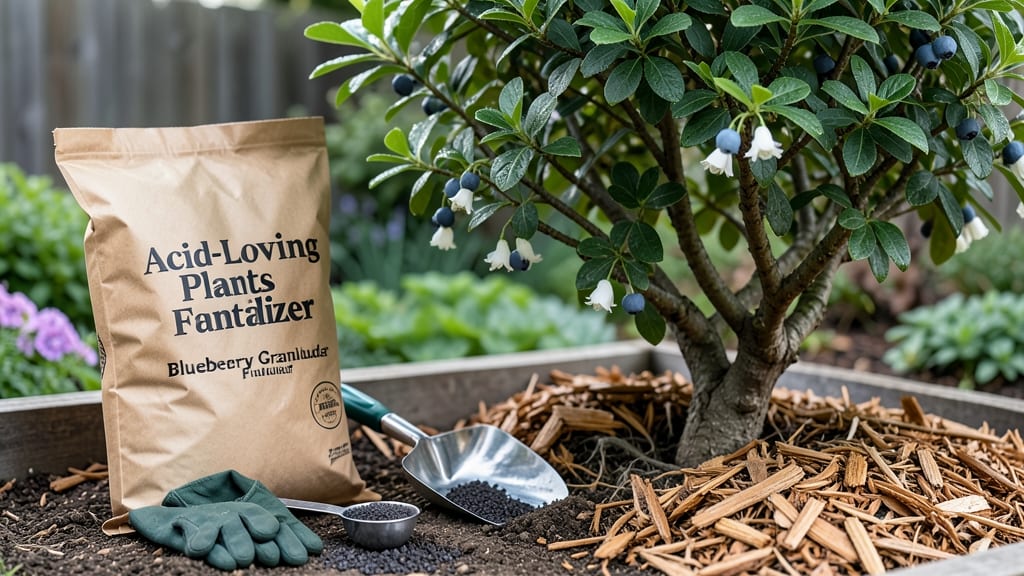
Fertilizing blueberry bushes at the right time boosts growth and fruit production 🫐 — and the best window is early spring, just as new shoots emerge.
Picture this: You’ve spent months nurturing your blueberry bush, only to watch it underperform because you fertilized at the wrong time. The difference between a modest harvest and a bountiful crop often comes down to when you feed it.
Blueberries thrive with careful timing, especially since they’re sensitive to soil acidity and seasonal shifts. Too early, and you risk burning delicate roots; too late, and you miss the growth spurt that leads to flowers and fruit.
In this guide, I’ll break down the exact optimal fertilization schedule by season, how to adjust for your region, and the simple soil tests that save you from costly mistakes.

Optimal fertilization timing by blueberry growth stage
Blueberries are finicky about their fertilization schedule, and feeding them at the wrong time can stunt growth or even kill the plant. Unlike many fruits, blueberries thrive best when fertilized during specific growth stages—not just randomly throughout the year.
The key is aligning your feeding routine with their natural dormancy, flowering, and fruiting cycles, while maintaining their acidic soil requirements.
Most gardeners make the mistake of fertilizing in fall or winter, which forces blueberries to grow when they should be resting. This weakens their winter hardiness and reduces next year’s harvest.
Instead, focus on three critical windows: early spring, post-harvest, and—surprisingly—never during dormancy. Let’s break down the exact timing and what to apply at each stage.
📌 SUMMARY TABLE: Best Fertilization Times for Blueberry Bushes
| Growth Stage | Best Fertilization Time | Recommended Fertilizer | Soil pH Adjustment |
|---|---|---|---|
| Dormant Season (Winter) | No fertilization | None | Test pH in early spring |
| Early Spring (Before Bud Break) | Late March–Early April | 10-10-10 or 12-4-8 (acid-loving) | Add sulfur if pH > 5.5 |
| Post-Harvest (Late Summer) | Mid-August–Early September | Slow-release organic (compost, peat) | Maintain pH 4.5–5.5 |
| Flowering Stage (Spring) | April–May | High-nitrogen (e.g., blood meal) | Avoid lime—stick to acidifiers |
| Fruiting Stage (Summer) | June–July | Balanced NPK (e.g., 10-10-10) | Monitor pH—adjust if rising |
Your first fertilization should happen in early spring, right after the last frost but before buds break. This is when blueberries need a high-nitrogen boost to fuel new growth.
Use a balanced fertilizer like 10-10-10 or a specialized acid-loving blend (12-4-8). Spread it evenly around the drip line—never directly on the stem—to prevent nutrient burn.
If your soil pH is above 5.5, this is also the time to lower acidity by adding elemental sulfur or peat moss. Blueberries won’t absorb nutrients properly if the pH is too high, so test it now and adjust before growth begins.
Aim for a pH between 4.5 and 5.5—this is non-negotiable for healthy bushes.
After harvest, in late summer, switch to a light feeding with organic matter like compost or a slow-release fertilizer. This helps replenish soil nutrients without overstimulating late-season growth, which can leave bushes vulnerable to winter damage.
Avoid fertilizing in fall or winter—blueberries are dormant, and feeding them then can lead to soft, weak growth that won’t survive cold snaps.
One common mistake is over-fertilizing in summer, which can cause excessive leafy growth at the expense of fruit production. Instead, use a balanced approach: feed lightly in spring, reduce in summer, and skip entirely in fall and winter.
This mimics their natural growth cycle and ensures a healthier, more productive bush year after year.
Pro tip: Always water deeply after fertilizing to help nutrients soak into the soil. Apply fertilizer in the early morning or evening to avoid leaf burn from afternoon sun.
And if you’re using organic options like compost or fish emulsion, work them into the top 2–3 inches of soil rather than scattering on the surface.
Finally, young blueberry bushes (under 3 years old) need half the fertilizer of mature plants. Overfeeding can burn delicate roots, so start with just 1/4 cup per plant and monitor for signs of stress, like yellowing leaves or stunted growth.
With the right timing and care, your blueberries will reward you with juicy
How soil pH affects fertilizer timing and blueberry health
Blueberries are famously finicky about their soil pH, thriving only in acidic conditions between 4.5 and 5.5. If your soil pH strays outside this range, your fertilizer timing and nutrient absorption will suffer, leading to poor growth or fruit production.
The right pH balance ensures your bushes can access essential nutrients like nitrogen, phosphorus, and potassium—critical for both foliage and fruit development.
When your soil pH is too high (alkaline), blueberries struggle to absorb iron and manganese, even if you’re applying fertilizer. This often results in yellowing leaves (chlorosis) and stunted growth. Conversely, if the pH is too low (below 4.5), aluminum and manganese become toxic, burning roots and limiting nutrient uptake.
Testing your soil pH before fertilizing is the first step to precision timing and healthier plants.
If your soil pH is within the ideal range, you can fertilize blueberries in early spring (just as new growth begins) and again after harvest (around late June or early July) to replenish nutrients.
However, if your pH is too high, you’ll need to amend the soil with sulfur or peat moss before fertilizing to lower it.
Conversely, if your pH is too low, adding lime or wood ash can help raise it—but do this 6-12 months before fertilizing to avoid shocking the roots.
Organic fertilizers like compost, fish emulsion, or cottonseed meal are excellent choices for blueberries because they gradually release nutrients and help maintain soil acidity. Synthetic fertilizers, such as 10-10-10 or 12-4-8 blends, can work but require careful monitoring of pH levels.
Always water thoroughly after applying fertilizer to prevent root burn, especially in acidic conditions where nutrients can concentrate.
Testing your soil pH every 1-2 years is a game-changer for timing your fertilizations. Use a home soil test kit or send a sample to a local extension office for precise results.
If your pH is off, adjust it before fertilizing—this ensures your bushes can absorb nutrients efficiently and grow stronger. Remember, blueberries are acid-loving plants, and their health depends on getting this balance right.
Timing your fertilizer applications based on soil pH also means avoiding late-season fertilizing, which can stimulate tender new growth that won’t survive winter. Stick to early spring and post-harvest for the best results, and always pair fertilization with adequate watering to help roots absorb nutrients effectively.
With the right pH and timing, your blueberry bushes will reward you with vibrant foliage and bountiful fruit year after year.