
Fertilization
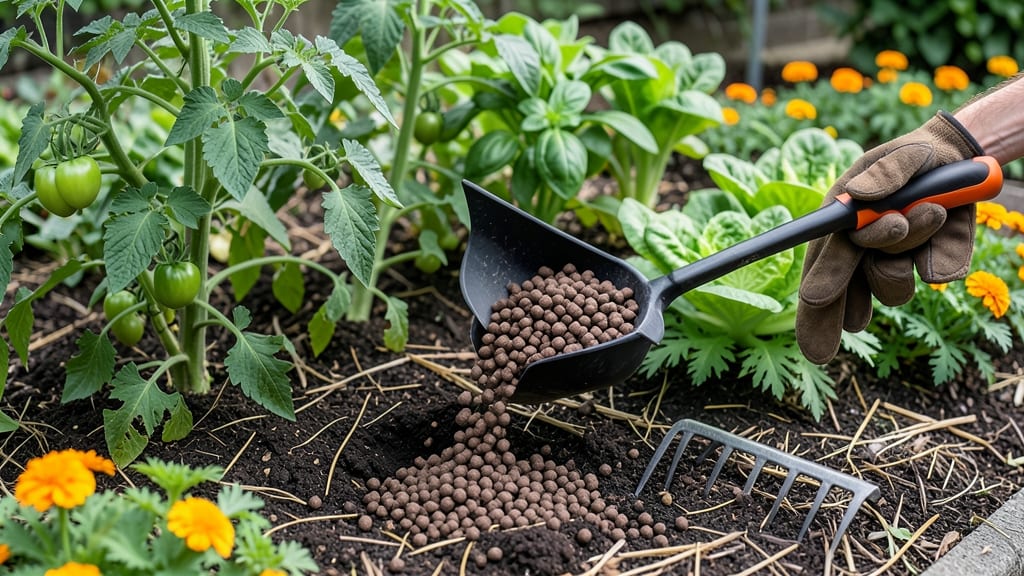
The best time to fertilize your garden is when soil temperatures hit 50°F-70°F—that’s the sweet spot where roots wake up and soak up nutrients like a sponge.
Timing your garden fertilization wrong can mean wasted nutrients—or worse, burning delicate plant roots. The secret to explosive growth lies in understanding soil temperature triggers that unlock root uptake efficiency.
Most gardeners assume spring is the only window, but fall fertilization can prep plants for next year’s harvest. Meanwhile, tropical zones have different rules entirely—where winter can still be the ideal time to feed.
Inside, you’ll find a season-by-season breakdown of when to fertilize by plant type, plus pro tips for organic vs. synthetic feeds and how to avoid common mistakes that drain your wallet.

Soil temperature thresholds for optimal fertilizer absorption
Fertilizer only works when your plants can actually use it—and that depends entirely on soil temperature. When soil drops below 50°F, most plants go into nutrient starvation mode, even if you've just applied a fresh dose.
This isn't just theory: root activity slows by 50% below 55°F, meaning nutrients sit unused in the soil until warmer conditions return.
Think of it like feeding a hibernating bear—no matter how much salmon you toss in its den, it won't eat until spring.
The same principle applies to your garden. Ideal soil temperatures for fertilizer absorption range between 50°F and 70°F, but the sweet spot varies by plant type and climate zone.
Northern gardeners (USDA Zones 3-6) should wait until late spring when soil consistently stays above 55°F—typically after your last frost date. Southern growers (Zones 7-10) have more flexibility, as their winter soil temps rarely drop below 60°F, allowing fall fertilization opportunities that northerners can't replicate.
Here's the crucial detail: cooler soil blocks nutrient uptake through microbial activity. Beneficial soil bacteria and fungi—responsible for breaking down organic matter—become sluggish below 50°F. Without these microbes, synthetic fertilizers sit as salt crystals, while organic amendments remain locked in their original form.
One common misconception is that cooler soil is always bad—but some plants actually prefer it. Cool-season vegetables like lettuce and spinach thrive when soil temps stay between 45°F-60°F. The trick is matching your fertilization schedule to the plant's natural growth cycle rather than blindly following temperature rules.
For spring fertilization, aim to apply nutrients 2-4 weeks before planting when soil reaches 55°F. This gives microbes time to activate and roots to establish before active growth begins. In fall, northern gardeners should fertilize 6-8 weeks before first frost to support root development for next season.
Southern gardeners have unique advantages—they can often fertilize throughout winter for continuous growth. However, even in warm climates, avoid fertilizing when soil temps exceed 85°F, as this causes nutrient burn by overwhelming plant systems. Always water thoroughly after applying fertilizer to help distribute nutrients evenly.
Pro tip: Use a soil thermometer to check temps at 4-inch depth (where most roots absorb nutrients). If your soil is consistently below 50°F, wait—your plants aren't ready for that fertilizer yet. Patience here prevents wasted nutrients and protects your plants from potential damage.
Remember, organic fertilizers behave differently than synthetics. They require microbial activity to break down, making temperature even more critical. If you're using compost or manure, apply it when soil is at least 55°F to ensure proper decomposition and nutrient release.
🌱
Seasonal fertilizing calendar: when to feed by plant type
Fertilizing your garden at the right time maximizes plant health and yield. Vegetables, flowers, and lawns each have unique needs, but timing revolves around soil temperature and growth stages.
Organic fertilizers like compost release nutrients slowly, while synthetic options provide immediate boosts—but both require strategic scheduling. Drought conditions demand extra caution to avoid stressing plants.
Spring kickstarts growth, making it the ideal time for pre-planting fertilization. Summer focuses on mid-season feeding to sustain heavy production. Fall offers a final boost for perennials and cool-season crops, while winter typically means rest.
Let’s break it down by plant type and season to ensure your garden thrives year-round.
For organic fertilizers, timing matters less because nutrients release gradually. Spread compost or manure in early spring and fall to improve soil structure over time. Synthetic fertilizers, however, require precision—apply them when plants are actively growing and soil is warm (60°F+).
Regional adjustments are key: Southern gardens can fertilize year-round (with winter breaks), while northern climates should pause in late fall to avoid winter burn. Always test soil pH before feeding—most plants prefer 6.0-7.0. Adjust fertilizer ratios if your soil is too acidic or alkaline.
Start with a soil test to tailor your schedule. For vegetables, a pre-planting feed followed by monthly boosts yields the best results. Flowers and perennials appreciate a spring wake-up call and a summer energy drink.
With this calendar, your garden will stay lush, productive, and resilient all season long.