
Companion Plants
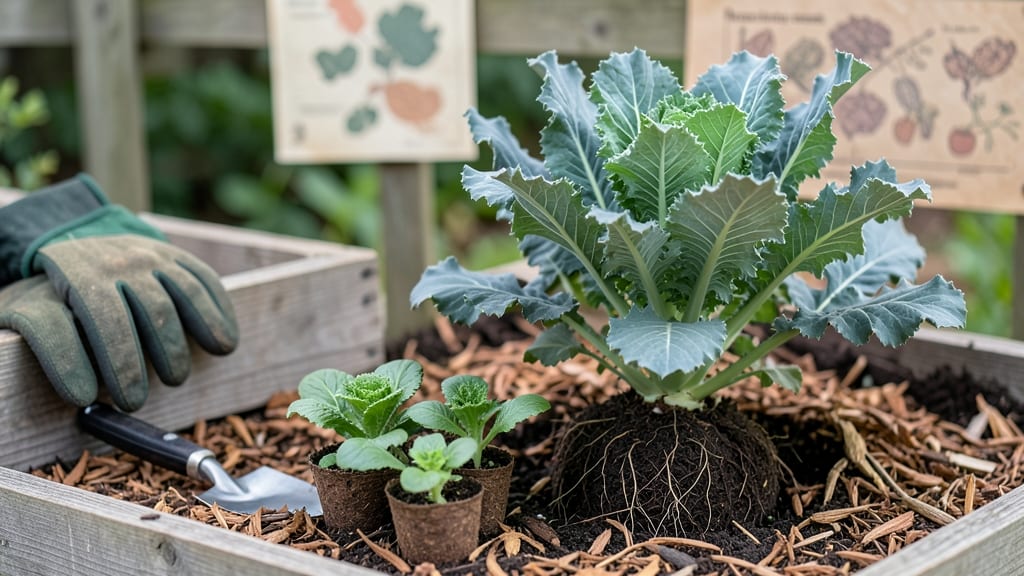
To plant brassicas in Pennsylvania at the right time means catching soil temperatures between 40°F and 85°F—a window that shifts with each season and microclimate.
Pennsylvania gardeners know timing is everything—especially when planting 🥬 brassicas like broccoli, cabbage, and kale. Plant too early, and your seeds rot; too late, and you risk bolting before harvest. The secret? Soil temperatures between 40°F and 85°F—but when exactly should you start?
Spring brassicas thrive when planted between March 15 and April 15, while fall crops need to go in by September 15 to mature before frost.
In zones 5b-7a, these dates align with soil warming enough for fast germination—but a late cold snap can still throw off your whole season.
Below, I break down the exact soil temperature triggers for your region, how to test them, and the fastest ways to adjust if your planting window gets squeezed. No more guessing—just reliable harvests.
Pennsylvania’s ideal brassica planting windows by soil temperature zones
Pennsylvania’s diverse USDA zones 5b-7a create unique planting challenges for brassicas like kale, cabbage, and broccoli. Unlike many vegetables, brassicas thrive in cool soil (40°F-50°F) but bolt when temperatures exceed 80°F.
My garden in Zone 6a taught me the hard way—planting too early in cold, wet soil leads to rot, while late starts risk premature flowering. The solution? Align planting with soil temperature triggers and regional frost dates.
Brassicas fall into two planting categories: direct-sown seeds (hardy varieties like ‘Winterbor’ kale) and transplants (heat-sensitive types such as ‘Calabrese’ broccoli).
In Zone 5b, I start seeds indoors 4-6 weeks before last frost (mid-March), while Zone 7a gardeners can direct-sow as early as late February if soil warms to 45°F. The key? Soil temperature—not air temperature—dictates success.
📋 Comparison Table: Brassica Planting Windows by PA Zone & Soil Temp
For early spring planting, aim to sow seeds when soil hits 45°F—this prevents seed rot in cold, damp conditions. In my Zone 6a garden, I use a soil thermometer to confirm readiness.
If temperatures dip below 40°F, cover seeds with row fabric until soil warms. Conversely, fall brassicas should go in 8–10 weeks before first frost (typically mid-August to early September in PA).
Late summer planting (August–September) is a game-changer for heat-tolerant varieties like ‘Tendercrunch’ lettuce or ‘Red Russian’ kale. These thrive in cooler fall soil (60°F–70°F) and avoid bolting. I’ve had success with ‘Presto Purple’ broccoli planted in late August—it matures before hard frosts hit. The trick? Water deeply to cool soil and mulch heavily to retain moisture.
Zone 5b gardeners face the shortest growing season, so prioritize fast-maturing varieties like ‘Quick Start’ cabbage (50 days) or ‘Mibuna’ mustard greens (30 days). In contrast, Zone 7a allows for two full harvests: one in spring (April–June) and another in fall (September–November). My Zone 6a plot yields three harvests if I stagger plantings—early March, late July, and early September.
Bolting is the nemesis of brassica growers. To prevent it, avoid planting when daylength exceeds 14 hours (typically late June–early August). Instead, focus on shade-tolerant varieties like ‘Lacinato’ kale or ‘Tokyo Bekana’ cabbage, which handle partial shade better than full sun during peak summer. I’ve also had luck with black plastic mulch to raise soil temps for late-season plantings.
Transplants give you a 2–3 week head start
How to test soil temperature for brassicas (and fix common mistakes)
Testing soil temperature is the best way to avoid the two biggest brassica planting mistakes: seeds rotting in cold, wet soil or bolting from heat stress. In Pennsylvania’s USDA zones 5b-7a, soil temps can swing wildly between seasons, making precision critical.
A simple soil thermometer (digital or analog) gives you real-time data to adjust planting times—no guesswork. I’ve learned the hard way that planting broccoli or kale too early in damp clay soil leads to moldy seeds, while waiting too long risks bitter, flower-stalk-heavy harvests.
Start by checking soil temps 1-2 inches deep, where most seeds germinate. This mimics the depth you’ll plant—whether it’s a cabbage seedling or a brussels sprout transplant. Morning readings (after sunrise but before 10 AM) are most accurate because soil temps fluctuate less.
For example, in Pittsburgh’s zone 6b, I’ve seen temps drop to 38°F in March mornings but rise to 55°F by afternoon—planting at the wrong time could mean failure.
⚠️ callout warning style="background-color: #ffebee; border-left: 4px solid #d94ae2; padding: 15px; margin: 20px 0;"> ⚠️ PA-Specific Warning: Don’t Plant Brassicas When Soil is Below 40°F or Above 85°F
Pennsylvania’s clay-heavy soils hold cold longer than sandy areas. In western PA (zones 6a-7a), soil may hit 40°F as early as mid-March, but eastern regions (zones 5b-6a) often wait until late April. Use a soil thermometer daily for 3 days to confirm consistency—never rely on air temperature alone. Pro Tip: If your thermometer reads 45°F or lower, wait 1-2 weeks or use black plastic mulch to warm the soil faster.
Once you’ve got your reading, compare it to brassica germination thresholds. Most varieties need soil between 40°F and 85°F to sprout reliably. For example, ‘Presto Purple’ broccoli germinates best at 50°F-70°F, while ‘Winterbor’ kale tolerates cooler 40°F-60°F soils.
If your reading is below 40°F, your seeds will rot—even if the weather forecast says “spring is coming.” I’ve seen this happen in central PA when March rains keep soil chilly for weeks.
To fix cold-soil issues, amend your garden bed with compost or aged manure 2-3 weeks before planting. This raises soil temps by 2-5°F and improves drainage in PA’s heavy clay.
For faster warming, lay down clear plastic sheeting over the bed for 1-2 weeks before planting—this can add 10°F+ to soil temps. Just remove it right before sowing to avoid overheating seeds.
In my zone 6a garden, this trick lets me plant cabbage seeds 2 weeks earlier than usual without risking rot.
On the other hand, if your soil hits 85°F+, brassicas will bolt (send up flower stalks) before you get a harvest. This is common in late summer plantings (August-September).
To delay bolting, use shade cloth (30-50%) during peak afternoon sun or choose heat-tolerant varieties like ‘Cavalo’ broccoli, which handles up to 90°F better than standard types.
I’ve also had success with succession planting: sow a small batch every 2 weeks in late summer to spread out harvests and avoid the heat spike.
Remember, brassicas are cool-season crops, so aim for soil temps between 40°F-85°F during their active growing phase. In Pennsylvania, this typically means spring plantings in April-May and fall plantings in August-September.
By mastering soil temp checks, you’ll skip the trial-and-error phase and enjoy consistent, flavorful brassicas all season long. Grab that thermometer—your future broccoli harvest depends on it! 🥬