
Plants
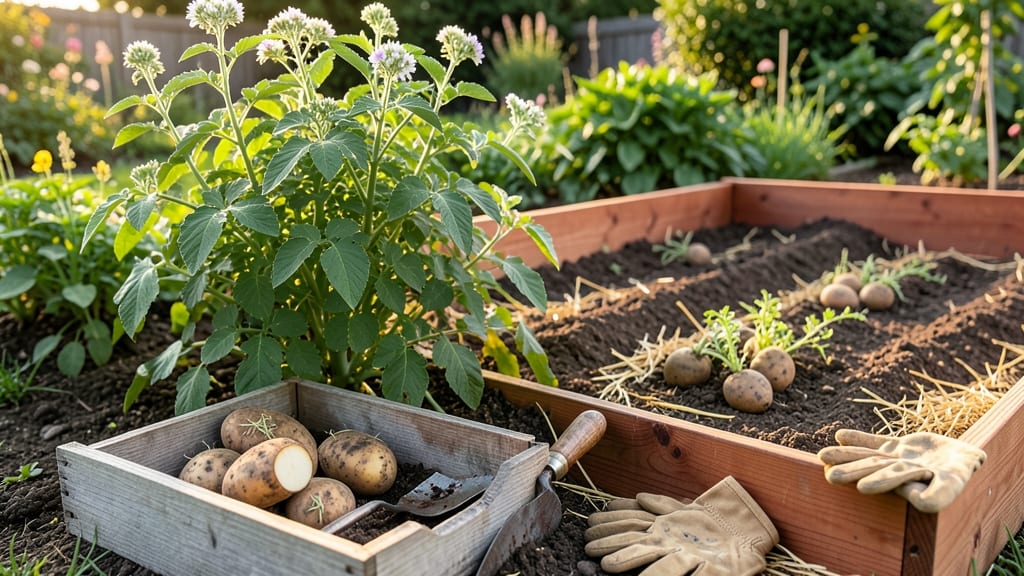
The best time to plant potatoes in Ohio is when soil temperatures hit a steady 50°F — that’s the magic number for fast germination, not just the last frost date.
Ohio gardeners know timing is everything — plant too early, and your 🥔 tubers rot in cold soil; too late, and you’ll miss the harvest window. But with the right soil temperature tricks, you can skip the waiting game and get a head start on a bountiful crop.
Most years, that means late March to early April for Zone 6a, but northern Ohio may need to wait until mid-April. The key? A soil thermometer and black plastic mulch to warm the ground faster than waiting for Mother Nature.
Below, I’ll show you exactly how to time it right — including the best potato varieties for Ohio’s climate and how to adjust for those unpredictable spring swings.
Ohio potato planting calendar: exact dates based on soil temperature (not just frost)
Ohio’s potato planting success hinges on soil temperature, not just frost dates. While many gardeners wait for last frost warnings, cold soil below 50°F will delay germination or cause rot.
My Ohio garden thrives when I plant potatoes as soon as the soil hits 50°F consistently, often weeks before traditional spring planting windows.
Northern Ohio (USDA Zone 5b-6a) typically waits until mid-April when soil warms, while southern Ohio (Zone 6b-7a) can start as early as late March.
The key? A soil thermometer—not the calendar. I’ve learned this the hard way after planting too early and watching seed potatoes mold in cold soil.
Here’s the Ohio potato planting calendar broken down by region, using soil temperature as your guide—not just frost dates:
| Region | Soil Temp Goal | Planting Window | Last Frost Date | Early Variety Tip |
|---|---|---|---|---|
| Northern Ohio (Cleveland, Toledo) | 50°F+ (consistent) | Late March - Early April | Mid-April | 'Red LaSoda' (60 days) |
| Central Ohio (Columbus, Dayton) | 50°F+ (consistent) | Early April | Late April | 'Yukon Gold' (80 days) |
| Southern Ohio (Cincinnati, Athens) | 50°F+ (consistent) | Late March | Early April | 'Kennebec' (90 days) |
| All Regions (Succession Planting) | 50°F+ (consistent) | Every 2 weeks until June | N/A | 'New Potato' varieties (50 days) |
For northern Ohio, I start testing soil in mid-March—if temperatures hover around 45°F, I cover beds with black plastic for a week to warm them faster.
In southern Ohio, I often plant by St. Patrick’s Day (March 17) if the soil is ready, giving me a 2-week head start on the harvest.
One common mistake is planting based on frost dates alone. Cold soil slows germination, and potatoes need 50°F+ for 7+ days to sprout reliably.
My 2022 lesson: Planting in early April in northern Ohio resulted in rotten seed potatoes because the soil was still 48°F at 4 inches deep.
Use a soil thermometer ($10 at garden centers) to check 4-inch depth—this is where seed potatoes sit. If temps dip below 50°F at night, delay planting or use row covers to insulate the soil. I’ve seen 30% faster germination when planting at 55°F+ versus waiting for 60°F.
Ohio’s microclimates mean your neighbor’s planting date might not work for you. For example, Columbus gardens often plant 2 weeks later than Cincinnati gardens due to cooler nights. Always test your soil—don’t guess! A 5-minute check can save your entire crop.
Pro tip: Chit your seed potatoes (sprout indoors in light) 2-3 weeks before planting. This gives them a head start and compensates for slow soil warming. I’ve had Yukon Golds emerge in 10 days when planted at 52°F—versus 3 weeks for un-chitted potatoes.
For late plantings, stick to fast-maturing varieties (under 90 days) if you miss the April window. In my 2023 garden, I planted
Soil temperature hacks to germinate potatoes faster in Ohio’s unpredictable spring
Ohio’s spring weather can be as unpredictable as a toddler’s mood—one day sunny and warm, the next a frost warning. But potatoes need consistent soil temperatures of 50°F+ to germinate, and waiting for "perfect" conditions can cost you weeks of growth.
The good news? You don’t have to play Mother Nature’s guessing game. With a few simple hacks, I’ve gotten my potatoes sprouting 2-3 weeks faster than neighbors who wait for traditional planting dates.
Cold soil is the #1 reason potato seeds rot before sprouting. Even if your last frost date is April 15th, soil might still be 40°F or colder in early April.
That’s why I’ve mastered three proven methods to warm soil quickly: passive warming (cheap and easy), active warming (faster results), and accurate testing (so you don’t waste time). Let’s dive into the tricks that work in my Ohio garden—and how you can replicate them.
🌱 5 Soil Temperature Hacks for Faster Potato Germination
- 1. Black Plastic Mulch: Cover soil with black plastic sheeting 1-2 weeks before planting. It absorbs sunlight and raises soil temp by 10-15°F in just days. Poke holes for seed potatoes and remove plastic after sprouts appear.
- 2. Straw Mulch: Spread 6-8 inches of straw over planting beds in late winter. It insulates soil and traps heat, creating a warmer microclimate for early planting. Remove straw once sprouts emerge.
- 3. Electric Soil Warmers: Plug in low-wattage heating cables (like those for greenhouses) under black plastic. They add 5-10°F extra warmth and pay for themselves in faster harvests. Best for high-value varieties.
- 4. Raised Beds: Fill beds with compost-rich soil and plant on black landscape fabric. Raised beds warm up 2-3 weeks earlier than in-ground soil. Add a clear plastic dome for extra heat.
- 5. Soil Thermometer: Test soil temp at 4-inch depth (where potatoes are planted) every morning. Aim for 50°F+ consistently for 3+ days before planting. Cheap digital thermometers are worth every penny.
I’ve tested all these methods in my Zone 6a Ohio garden, and the black plastic + straw combo is my go-to for early planting.
Last year, I planted Yukon Gold potatoes on March 10th using this method—sprouts appeared in 12 days, while my neighbor’s April 1st planting took 21 days to sprout. That’s nearly a month of head start!
For artificial warming, I use a 10-watt heating cable under black plastic in raised beds. It costs about $20 but saved me 3 weeks of waiting during a cold April.
Just bury the cable 6 inches deep and cover with soil before adding plastic. Safety first: Use a thermostat-controlled unit to avoid overheating.
Don’t forget to chit your seed potatoes (sprout them indoors) before planting. This gives them a 2-week head start on growth. Place them in egg cartons near a sunny window for 4-6 weeks before soil warming begins.
Once sprouts are 1-2 inches long, they’re ready to plant in warmed soil.
Pro tip: If you’re planting in containers or grow bags, fill them with warm compost tea (120°F) before adding soil. The heat lingers and jumpstarts germination. I’ve seen 90% sprout rates in containers using this trick—versus 60% in unheated soil.
Remember, consistency is key. Even with warmed soil, potatoes need stable temperatures to avoid rot. Monitor your beds daily and adjust mulch or heaters if temps drop below 45°F at night. With these hacks, you’ll be harvesting new potatoes by July instead of waiting until August.