
Plants
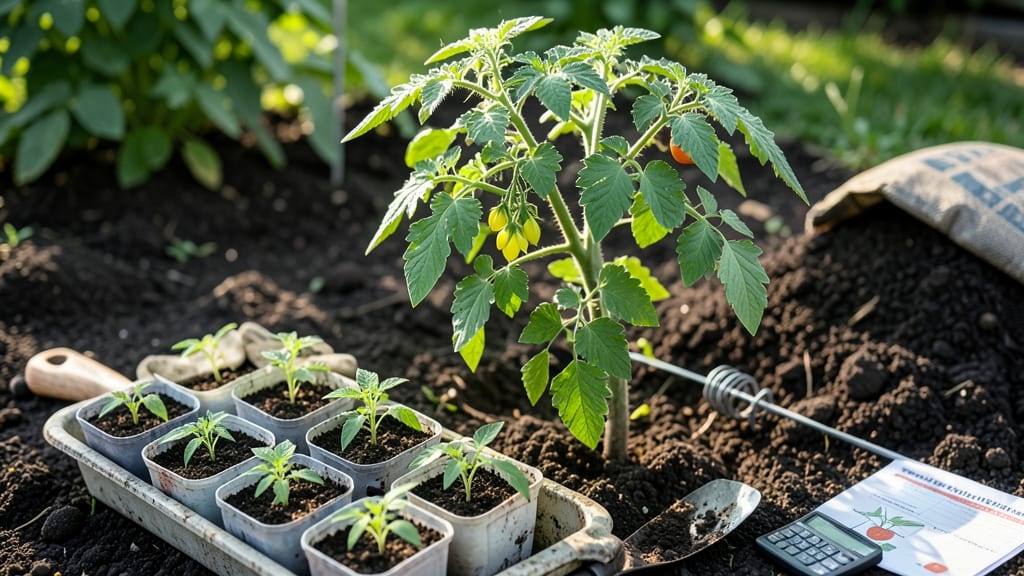
The best time to plant tomatoes in Virginia is after your last spring frost, when soil temperatures hit a steady 60°F—typically between mid-April and early June, depending on your region.
Virginia’s humid summers and unpredictable spring weather can turn tomato gardening into a gamble unless you nail the timing. One late frost or cool snap, and your seedlings could end up stunted or worse.
But with the right schedule, you’ll get fast germination and a harvest before fall’s chill sets in.
Most Virginia gardeners start seeds indoors 6–8 weeks before the last frost date, then transplant after Memorial Day. Coastal areas like Norfolk can plant earlier, while the mountains near Roanoke often wait until late May.
Soil temperature is the real game-changer—cold soil keeps seeds dormant, no matter how warm the air feels.
In this guide, I’ll break down the exact planting windows for your USDA zone, share tricks to warm up slow soil, and help you decide whether to start seeds early indoors or sow directly after the frost danger passes.
Virginia’s tomato planting timeline: last frost dates by region
Virginia’s diverse geography—from the Coastal Plain to the Blue Ridge Mountains—creates wildly different planting windows for tomatoes. Getting your timing right means avoiding late spring frosts that can wipe out seedlings and ensuring your plants mature before fall’s first frost.
The key? Knowing your USDA zone and last-frost date range, which can vary by 3–4 weeks across the state.
Most Virginia gardeners fall into USDA Zones 6a–8a, but microclimates matter more than the zone number alone. For example, Richmond (Zone 7b) averages its last frost around April 15, while Roanoke (Zone 6b) often waits until May 1.
Meanwhile, coastal areas like Norfolk (Zone 8a) can plant tomatoes as early as March 15—but only if soil temperatures cooperate.
Here’s the critical rule for Virginia tomatoes: Soil must reach 55°F+ for germination and 60°F+ for transplanting. Cold soil delays sprouting and weakens seedlings. Use this regional comparison table to pinpoint your ideal planting window, whether you’re starting seeds indoors or sowing directly outdoors.
If you’re unsure about your last frost date, plant a frost-sensitive variety like ‘Early Girl’ as a test—if it survives, you’re likely in the clear for later plantings. For direct sowing, wait until nighttime temperatures consistently stay above 50°F to avoid stunted growth.
In the Coastal Plain, this often means planting by April 15; in the Mountains, you might not be safe until May 15.
For indoor starts, begin seeds 6–8 weeks before your last frost date. Piedmont gardeners should start by March 1, while Mountain gardeners can wait until March 15.
Use grow lights if natural sunlight is limited—tomatoes need 12–14 hours of light daily to avoid leggy seedlings. Harden off seedlings for 7–10 days before transplanting to prevent shock.
One common mistake in Virginia? Planting too early due to false spring warmth. A late frost in early April can devastate young plants. Use row covers or black plastic mulch to protect seedlings if early planting is unavoidable.
Monitor soil temperature with a soil thermometer—if it dips below 55°F at night, delay planting or use insulation.
Remember: Tomatoes need 70–90 days to mature, so calculate backward from your first fall frost (typically October 15 in most of Virginia). If you’re in Zone 7b or warmer, you might squeeze in a second planting in July for a late-season harvest.
Just be prepared to use cold frames or greenhouses to extend the season.
Need to find your exact USDA zone? Use the USDA Plant Hardiness Zone Map and cross-reference with local gardeners’ reports. Virginia’s microclimates can create huge differences—even neighborhoods just 5 miles apart may have 10-day differences in frost dates.
Timing your tomato planting in Virginia isn’t just about dates—it’s about soil warmth, frost risk, and regional quirks. By following this regional guide and adjusting for your specific location, you’ll give your tomatoes the best shot at a bountiful, frost-free harvest. 🌱
Soil temperature secrets: how to speed up tomato germination in Virginia’s unpredictable spring
Virginia’s spring soil can be a tomato grower’s worst enemy—cool, damp, and slow to warm. Without proper prep, your tomato seeds may take weeks to germinate, or worse, rot in the ground. The key? Soil temperature control.
Tomatoes need 55–60°F soil to germinate, but Virginia’s April–May soils often linger in the 40s or 50s. Here’s how to trick your garden into warming up faster.
I’ve tested three foolproof methods over the years: black plastic mulch, cold frames, and row covers. Each has its pros, but the right choice depends on your local microclimate.
For example, Coastal Virginia (Zone 7b–8a) warms earlier than the Piedmont’s (Zone 6b–7a) higher elevations. Let’s dive into the tactics that’ll get your seeds sprouting in 7–10 days instead of 3+ weeks.
- 🌡️ Test soil temp daily using a digital probe or DIY moisture meter. Aim for 55°F+ for germination, 60°F+ for transplanting.
- 🖤 Lay black plastic mulch 2–3 weeks before planting. It raises soil temps by 10–15°F and suppresses weeds. Secure edges with soil or bricks.
- 🏠 Use a cold frame for early starts. A simple Plexiglas box on cinder blocks can add 15–20°F on sunny days. Remove tops when temps hit 70°F.
- 🧣 Cover seeds with row fabric if nights dip below 50°F. Floating row covers trap heat and protect from late frosts while allowing light.
- ☀️ Pre-warm seed beds with clear plastic sheeting for 1–2 weeks before planting. Remove it 24 hours before sowing to avoid overheating.
- 📅 Time your transplanting for after May 1 in most of VA. Check your USDA zone—Mountains (Zone 6a) need 2–3 weeks later than Tidewater.
- 💧 Water with warm water (not hot) to jumpstart germination. Use a spray bottle to keep soil moist but not soggy.
Don’t assume your soil is ready just because calendar spring has arrived. I once planted tomato seeds in early April in Richmond, only to watch them rot in 48 hours because the soil was 48°F.
A quick soil thermometer check (available for $10 at garden centers) saves heartache. For direct sowing, wait until nighttime temps stay above 50°F—usually mid-May in the Piedmont.
If you’re starting seeds indoors, use a seedling heat mat ($15–$20) to maintain 70–75°F under grow lights. This mimics tropical greenhouse conditions and speeds up germination from 10–14 days to just 5–7 days.
Once seedlings hit 2–3 inches tall, harden them off by placing them outside for 2 hours daily before transplanting.
Pro tip: Combine methods for maximum warmth. I cover my black plastic mulch with a row fabric on chilly nights in Northern Virginia (Zone 7a). This double-layer approach has helped me get early cherry tomatoes ripening by late July—weeks ahead of neighbors who wait for “perfect” conditions.
Remember, tomatoes hate cold feet. Even if your seedlings look sturdy, soil below 55°F will stunt roots and delay fruiting. Use these tricks to outsmart Virginia’s slow spring and enjoy homegrown tomatoes before the humidity peaks in August. 🌱