
Companion Plants
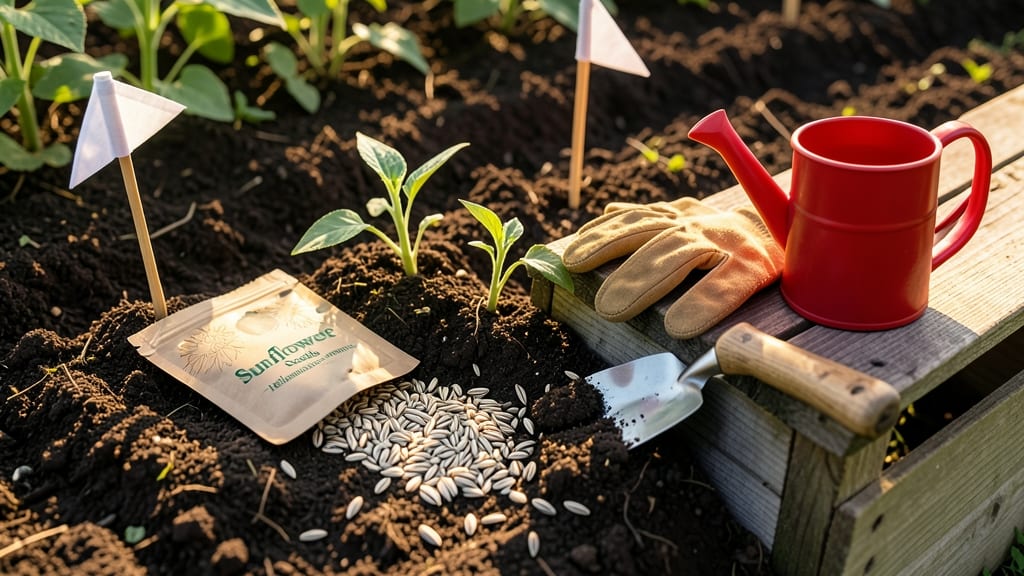
Plant sunflower seeds in Ohio between mid-April and early June to guarantee vibrant blooms before fall frost, aligning with the 90-day growth window most varieties need.
Ohio’s unpredictable spring weather can make sunflower planting a guessing game—but timing your seeds just right ensures tall, healthy plants by summer’s end. Miss the window, and you’ll either face frost-killed seedlings or leggy, weak plants that never reach their full potential.
Since sunflowers are annuals in Ohio’s Zone 6a, they thrive best when planted after the last frost (typically around April 15) and when soil temperatures hit at least 50°F. Northern Ohio may need to wait until early May, while southern regions can start as early as late March.
Below, I’ll break down the exact frost-date math for your area, how to adjust for early or late springs, and the best sunflower varieties to maximize blooms before Ohio’s first frost in October.
Ohio sunflower planting dates by last frost Zone (with 90-Day bloom calculator)
Ohio’s USDA Zones 5-6 create a 14-21 day planting window difference between northern and southern regions. To guarantee sunflowers bloom before fall frost, you need to calculate backward from your first frost date (typically October 15) minus the 90-day maturity of most varieties.
This ensures your sunflower seeds have enough time to sprout, grow, and flower before cold snaps arrive.
For example, if you’re in Zone 5 (like Cleveland or Toledo), your last frost date is around April 15. Counting backward 90 days from October 15 gives you a planting window of July 15, but that’s too late for sunflowers.
Instead, focus on mid-April to early June for most varieties, with adjustments for early or late springs.
In Zone 6 (like Columbus or Cincinnati), where the last frost is April 1, you have slightly more flexibility. Start planting as early as late March in sheltered microclimates or stick to April for safety.
The key is soil temperature—wait until it reaches at least 55°F for reliable germination.
If you’re in northern Ohio (Zone 5), prioritize early-maturing varieties like ‘Teddy Bear’ (56 days) or ‘Moulin Rouge’ (60 days). These give you a 10-14 day buffer if spring is delayed.
For southern Ohio (Zone 6), you can afford slightly taller varieties like ‘Autumn Beauty’ (85 days) or ‘Russian Giant’ (120 days), but plant them by mid-May to avoid late-season heat stress.
Ohio’s clay-heavy soils can slow germination, so always plant seeds 1 inch deep in loose, well-draining soil. Amend with compost or sand if your soil is compacted. After planting, use a soil thermometer to confirm temperatures stay above 55°F for consistent sprouting.
If nights dip below 40°F, use row covers to protect young seedlings.
For late springs (like in 2013 or 2020), start seeds indoors 2-3 weeks early in biodegradable pots. Transplant seedlings outdoors after the last frost, but harden them off first by placing them outside for 2-3 hours daily for a week.
This 2-week head start can make the difference between blooms and bolting.
Pro tip: Mark your planting dates on a garden calendar and track soil temps with a free USDA frost map (available at plantmaps.com). Ohio’s microclimates mean your neighbor’s perfect timing might not work for you—soil, elevation, and wind exposure all play a role.
Always err on the side of earlier planting for sunflowers, as they’re more forgiving of <
How to use soil temperature and moon phases to fine-tune planting (Ohio-specific tips)
Ohio’s clay-heavy soils and unpredictable spring make soil temperature a game-changer for sunflower success. While the last frost date guides planting, soil warmth (not air temperature) determines whether seeds germinate quickly or rot in cold, wet earth.
Aim for 55°F or warmer—any cooler, and germination stalls, leaving you with bare soil and wasted seeds.
Moon phases also play a surprising role in root development. Planting during the waxing moon (when the moon grows brighter) encourages stronger root systems, while full moon planting boosts leafy growth.
Ohio’s short growing season means every day counts—so pairing moon phases with soil warmth maximizes your sunflowers’ potential to reach their towering heights before frost.
- 1 Test soil temp with a DIY thermometer: Bury a thermometer 2 inches deep in morning sunlight. Wait 30 minutes—55°F+ means it’s safe to plant.
- 2 Amend clay soil first: Mix in compost or sand to improve drainage. Ohio’s heavy clay holds moisture, which can drown seeds if soil stays too cold and soggy.
- 3 Plant during waxing moon (after new moon) for deeper roots. Check a moon phase calendar—Ohio’s late springs mean timing is critical for 90-day blooms.
- 4 Water deeply after planting to encourage germination. Ohio’s dry summers mean established plants thrive, but seedlings need consistent moisture until roots establish.
Ohio’s northern regions (like Cleveland) often see later soil warming than southern areas (like Cincinnati). If your soil hits 55°F in late May, don’t panic—just plant fast-maturing varieties like ‘Moulin Rouge’ (50–60 days to bloom) to ensure flowers open before frost.
For southern Ohio, early April planting is ideal, but always double-check with your local Cooperative Extension office for microclimate tips.
Pro tip: Use black plastic mulch to warm soil faster. Lay it down 1–2 weeks before planting to raise soil temperature by 5–10°F, giving seeds a head start in Ohio’s cool springs.
This trick is especially helpful if your garden sits in a low-lying area that stays cold longer.
Finally, avoid planting during a full moon if you’re prioritizing root growth—sunflowers will focus energy on leaves instead. Instead, time your planting for the waxing gibbous phase (just before full moon) to balance both growth and strength.
With these Ohio-specific tweaks, your sunflowers will shoot up like giant sentinels by summer’s end. 🌻