
Flowers
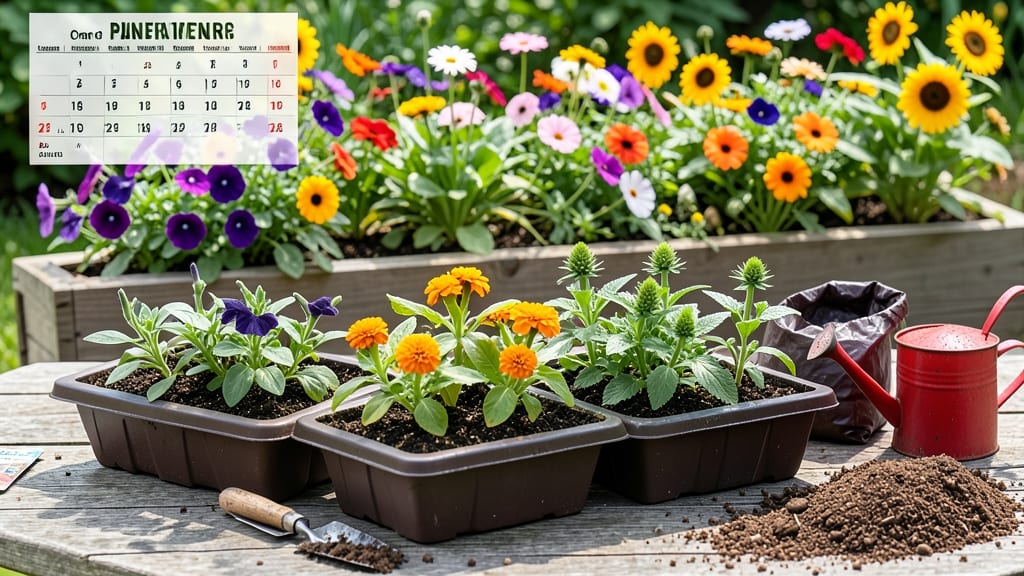
You should plant flowers in Ohio after the last frost date—typically between mid-April and early May—when soil temperatures hit at least 50°F for spring bloomers.
Ohio’s unpredictable spring weather can turn your flower planting into a gamble—unless you know the exact deadlines for your hardiness zone. Get it wrong, and your blooms may never take root.
For Zone 6a, like much of Ohio, the ideal window is early spring (after frost) or early fall (6-8 weeks before first frost). Annuals like marigolds and petunias thrive when planted in late April, while perennials often establish better in May.
Below, I’ll break down the best planting times for your zone, plus tips to avoid common mistakes that waste time and money—so your garden bursts into color, not disappointment.
Ohio flower planting deadlines by hardiness zone (spring vs fall schedule)
Ohio spans USDA hardiness zones 5a through 6b, meaning your planting deadlines can vary by 2-3 weeks depending on location. In Zone 5a (northwest Ohio), frost lingers until May 10, while Zone 6b (southern Ohio) typically sees last frosts by April 15.
These differences matter because planting too early risks frost damage, while waiting too long delays blooms.
Most Ohio gardeners focus on spring planting after last frost, but fall planting offers advantages too—especially for perennials and bulbs that establish roots before winter.
The key is timing: 6-8 weeks before first frost for fall plantings, which in Ohio falls between September 15 and October 15, depending on your zone.
Let’s break down the exact planting windows for Ohio’s five zones, covering annuals, perennials, and bulbs with frost risk analysis to keep your flowers thriving. Use this comparison table as your guide:
| Zone | Last Frost Date | Spring Planting Window | Fall Planting Window | Frost Risk |
|---|---|---|---|---|
| 5a (NW Ohio) | May 10 | May 15–June 15 | Sept 1–Sept 30 | High (late frosts common) |
| 5b (NE Ohio) | May 1 | May 1–June 10 | Sept 15–Oct 5 | Moderate (occasional late frosts) |
| 6a (Central Ohio) | April 20 | April 25–May 15 | Sept 20–Oct 10 | Low (rare late frosts) |
| 6b (SW Ohio) | April 15 | April 20–May 10 | Sept 25–Oct 15 | Very Low (mild winters) |
*Fall planting windows are for hardy perennials and bulbs only; avoid tender annuals.
For spring planting, wait until soil temperatures reach at least 50°F (test with a soil thermometer) to avoid stunted growth.
In Zone 5a, this often means delaying until late May, while Zone 6b gardeners can start as early as mid-April. Annuals like marigolds and zinnias thrive when planted 2-3 weeks after last frost, giving them time to establish before summer heat.
Fall planting is ideal for perennials and bulbs because cooler temperatures reduce stress. Daylilies, coneflowers, and peonies planted in September often bloom 2-3 weeks earlier the following spring.
However, avoid planting tender annuals like petunias or geraniums in fall—they won’t survive Ohio’s winters. Instead, focus on cold-hardy varieties like pansies or snapdragons for late-season color.
One critical mistake Ohio gardeners make is ignoring soil temperature. Even if frost risk is low, cool soil slows root growth. Use a soil thermometer to confirm 50°F+ before planting.
If soil is still cold, opt for cool-season flowers like sweet alyssum or snapdragons, which tolerate 45°F soil.
To extend your planting season, use row covers or cold frames to protect early plantings. These tools can push your spring planting window 2-3 weeks earlier and fall window 1-2 weeks later, giving you more flexibility.
For example, in Zone 5a, a cold frame might let you plant pansies in early April without frost damage.
For bulbs like tulips and daffodils, fall planting is non-negotiable. Plant them 6-8 weeks before first frost—typically October 1-15 in most of Ohio. Bulbs need this time to develop roots before winter. If you miss the window, wait until spring for
Best flowers to plant in Ohio spring vs fall (zone-specific picks)
Ohio’s spring and fall planting seasons offer distinct advantages for flower gardeners. Spring is ideal for warm-season bloomers like zinnias and marigolds, while fall gives cool-season favorites (e.g., pansies and snapdragons) a head start.
The key? Planting at the right time for your USDA Zone 5a-6b ensures vibrant blooms all season long.
Native Ohio flowers like black-eyed Susans and coneflowers thrive with minimal fuss, while drought-resistant varieties such as lavender and sedum cut water bills. For zone 6b gardeners, fall planting extends blooms into next spring, while zone 5a areas benefit from early spring starts to avoid late frosts.
🌱 Planting too early risks frost damage, but fall-planted bulbs (like daffodils) reward patience with early spring color. Here’s your zone-specific cheat sheet:
| Season | Best Flowers | Zone Fit | Planting Window |
|---|---|---|---|
| Spring | Zinnias, Marigolds, Petunias | 5a-6b | After last frost (mid-April) |
| Spring | Coneflowers, Black-Eyed Susans | 5a-6b | Early April (soil 50°F+) |
| Fall | Pansies, Snapdragons, Calendula | 5a-6b | 6-8 weeks before frost (Sept) |
| Fall | Daffodils, Tulips, Alliums | 5a-6b | October (bulbs only) |
| Year-Round | Lavender, Sedum, Russian Sage | 5a-6b | Spring/Fall (drought-tolerant) |
For spring planting, focus on heat-loving annuals like cosmos and sunflowers—they’ll thrive in Ohio’s summer heat. Start seeds indoors 6-8 weeks before last frost (early March) for a jumpstart. Fall is perfect for cool-season perennials; plant hardy geraniums and aster in September to enjoy blooms next year.
Ohio’s native wildflowers (e.g., bee balm and butterfly weed) are low-maintenance and attract pollinators. They’re ideal for partial shade areas and drought-prone spots. Pair them with drought-resistant shrub roses for a low-water garden that blooms from spring to fall.
Pro tip: Mulch after planting to retain moisture and suppress weeds. In zone 5a, add a 3-inch mulch layer in fall to protect roots from freezing. For zone 6b, reduce mulch in late summer to avoid overheating soil.
With these seasonal picks, your Ohio garden will burst with color—spring through fall—while requiring minimal effort. Happy planting! 🌼