
Trees
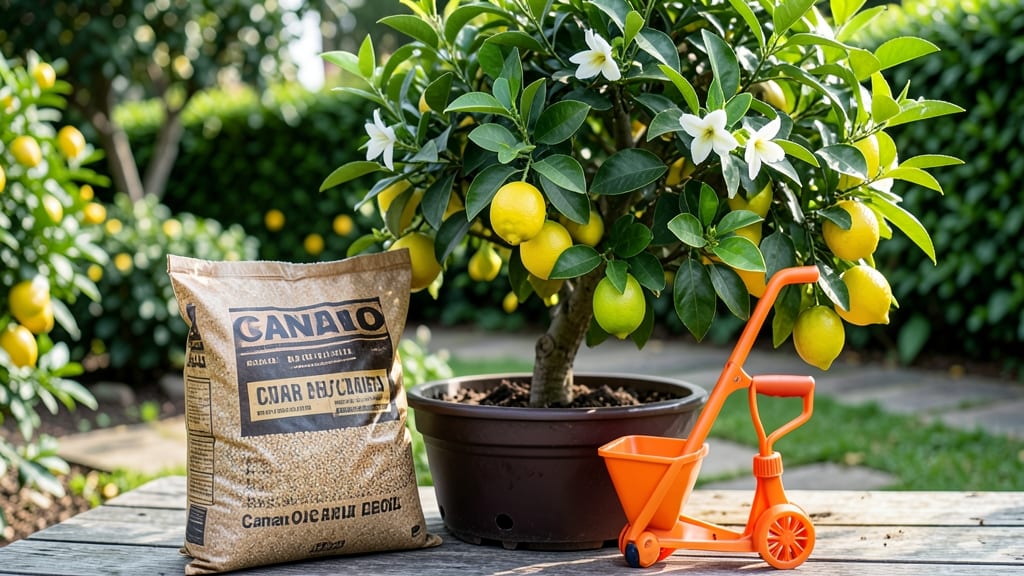
Fertilizing citrus trees in Tucson at the right time means the difference between a bountiful harvest and struggling growth — and the desert’s extremes make timing everything.
Picture this: your 🍊 tree blooms in spring, but by summer, the leaves yellow and fruit stays small. That’s not just bad luck—it’s a missed fertilization window. Tucson’s 9a-10a climate demands a schedule that avoids scorching roots in summer or wasting nutrients in winter.
Most gardeners overlook the post-harvest window in late fall, when a light feeding primes trees for next year’s growth. Meanwhile, summer heat can burn roots if you fertilize at the wrong moment.
I’ll break down the exact months to feed, the nutrients your Tucson citrus craves, and how to spot when you’ve overdone it.
By the end, you’ll know not just when to fertilize, but how to read your tree’s signals—so you can skip the guesswork and grow fruit year-round, even in the desert.

Tucson’s citrus fertilization schedule by season: when and why to feed
Tucson’s unique climate—with its intense desert heat, monsoon rains, and mild winters—means citrus trees need a season-specific fertilization plan to thrive. Unlike temperate climates, Tucson’s soil temperature shifts and rainfall patterns directly impact when and how your citrus absorbs nutrients.
Feed at the wrong time, and you risk burned roots, poor fruit set, or even tree stress during our brutal summers.
Citrus trees in Tucson rely on three critical nutrients: nitrogen (N) for leaf growth, phosphorus (P) for root development, and potassium (K) for disease resistance. The 6-6-6 or 8-3-9 NPK ratio is ideal, but timing is everything.
For example, high nitrogen in summer can encourage leafy growth at the expense of fruit, while fall feeding helps prepare roots for winter dormancy. Let’s break down the optimal fertilization windows by season.
📅 Spring (February–April): Primary Growth Phase This is your most critical feeding window. As soil temperatures rise above 60°F and monsoon rains taper off, citrus trees shift into rapid growth mode. Apply a balanced fertilizer (like 6-6-6) every 4–6 weeks starting in early February. The goal? Fuel new leaf production and flowering for fruit set. Avoid synthetic fertilizers with high nitrogen—opt for organic options like compost or alfalfa meal to prevent salt buildup in our alkaline soils.
☀️ Summer (May–September): Skip Fertilizing (Except Light Maintenance) Tucson’s 100°F+ heatwaves and intense sunlight stress citrus trees, making them nutrient-absorbing inefficient. Fertilizing now can burn roots or encourage water-intensive growth. Instead, focus on deep watering and mulching. If you must feed, use a low-nitrogen, high-potassium fertilizer (like 2-1-2) in early June to support existing fruit development without stressing the tree.
🍂 Fall (October–November): Light Feeding for Winter Prep As temperatures drop below 80°F and monsoon rains return, citrus trees enter a pre-dormancy phase. Apply a light feeding in late October—half the spring dose—to strengthen roots and boost next year’s blooms. Use a low-phosphorus, high-potassium blend (like 4-3-6) to harden off the tree for winter. Avoid fertilizing after November 15 to prevent late-season flushes that can’t harden before frost.
❄️ Winter (December–January): Dormancy = No Fertilizer Tucson’s winters are mild, but citrus trees still slow their growth. Fertilizing now can waste nutrients and encourage vulnerable new growth. Instead, focus on light pruning and protecting roots from occasional frosts. Resume feeding only when soil temps hit 60°F in early February.
| Season | Fertilizer Type | NPK Ratio | When to Apply | Key Goal |
|---|---|---|---|---|
| Spring | Balanced (organic or synthetic) | 6-6-6 or 8-3-9 | Feb, Mar, Apr (every 4-6 weeks) | Leaf growth & flowering |
| Summer | Low-nitrogen (optional) | 2-1-2 | Early June (if needed) | Fruit development only |
| Fall | Light organic | 4-3-6 | Late October | Root strengthening |
| Winter |
Signs your Tucson citrus tree needs fertilizer (and when to avoid it)Your Tucson citrus tree may be silently screaming for nutrients—or begging you to stop feeding it. Yellowing leaves between the veins, especially on older foliage, often signal nitrogen deficiency, while small, sparse fruit or delayed blooming can mean phosphorus or potassium shortages. These visual cues are your tree’s way of communicating its needs before growth stalls completely. On the flip side, brown leaf tips or crispy edges are classic signs of over-fertilization, where excess salts burn delicate roots. In Tucson’s high-heat summers, this stress can mimic drought symptoms, making diagnosis tricky. Pay attention to leaf drop or stunted new growth—both red flags that your tree is struggling to process nutrients in the extreme desert environment. When to Fertilize Your Tucson Citrus Tree✅ Fertilize When...
❌ Avoid Fertilizing When...
Tucson’s monsoon season (July-September) is a critical time to pause fertilization. Heavy rains can leach nutrients from the soil, and over-fertilized trees during this period often develop root rot from poor drainage. Instead, focus on deep watering and mulching to protect roots from temperature swings. Another desert-specific rule: Never fertilize during extreme heatwaves (above 105°F). High temperatures accelerate nutrient burn, causing leaf scorch and root stress. If your tree shows signs of wilting or drooping during summer, prioritize shade cloth and increased watering over feeding. For newly planted citrus trees, resist the urge to fertilize immediately. Young roots are fragile, and high-salt fertilizers can cause more harm than good. Wait 3-4 months or until you see new growth before applying a light dose of balanced citrus fertilizer (6-6-6 ratio). Finally, winter dormancy (November-February) is nature’s way of telling you to stop fertilizing. During these months, your citrus tree conserves energy, and feeding it can stimulate weak, vulnerable growth that won’t survive Tucson’s cool nights. Instead, focus on protecting roots with mulch and pruning dead branches to prep for spring. |