
Planting
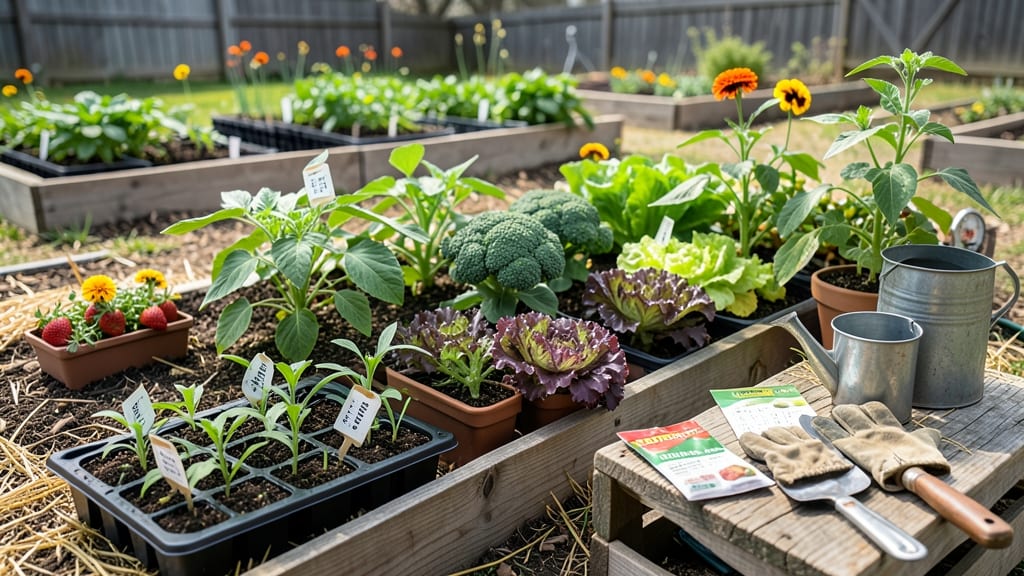
To plant a garden in Washington, DC, time your sowing after the last frost date — typically mid-April — but know that urban heat islands can shift that window by weeks.
Picture this: You’ve prepped your soil, ordered seeds, and are ready to go—only to watch a late frost nip your seedlings. Washington, DC’s microclimates mean downtown areas like Capitol Hill can be 10°F warmer than Rock Creek Park, so your neighbor’s planting schedule might not match yours.
This guide breaks down the exact frost-free dates for your neighborhood, whether you’re growing heat-loving tomatoes or cool-season greens. We’ll also cover how to adjust for DC’s 180-day growing season and which fast-growing crops to prioritize.
By the end, you’ll know not just when to plant, but how to stretch your harvests with smart timing—no more wasted seeds or missed opportunities. Let’s get started.
Washington DC frost-free dates by Zone: when to plant cool vs warm-season crops
Washington DC spans USDA Hardiness Zones 7a-8a, but its planting schedule varies dramatically between neighborhoods. Downtown areas like Capitol Hill and Navy Yard experience urban heat islands, delaying frost dates by 1-2 weeks compared to cooler suburban zones like Chevy Chase or Takoma Park.
Understanding these microclimates helps you time your plantings perfectly for tomatoes, peppers, and greens.
The average last frost date for DC is April 15, but downtown gardeners often see their frost-free window open by April 1-7, while suburban areas may wait until April 22-28.
For warm-season crops, this means starting seeds indoors by March 1-15 in heat-island zones or waiting until March 15-30 in cooler areas.
Below is your customized planting timeline for DC’s zones, including ideal windows for cool-season crops (like lettuce and spinach) and warm-season crops (like tomatoes and peppers). Use these dates to plan your garden layout and succession plantings for continuous harvests.
🌱
| Zone & Location | Last Frost Date | First Frost Date | Cool-Season Planting Window | Warm-Season Planting Window |
|---|---|---|---|---|
| Zone 7a (Suburban Cool: Takoma, Chevy Chase) | April 22-28 | November 1-7 | March 15 - April 15 | May 1 - June 15 |
| Zone 7b (Urban Transition: Petworth, Brookland) | April 15-21 | November 8-14 | March 1 - April 10 | April 25 - June 10 |
| Zone 8a (Urban Heat: Capitol Hill, Navy Yard) | April 1-7 | November 15-21 | February 28 - April 5 | April 15 - May 30 |
| River Valley (Anacostia, Potomac) | April 10-16 | November 5-11 | March 10 - April 12 | April 20 - June 5 |
Note: Adjust dates 1 week earlier for heat-island zones or 1 week later for cooler suburban areas.
For cool-season crops like lettuce, spinach, and kale, plant as soon as soil is workable—typically mid-March in Zone 8a and late March in Zone 7a. These crops thrive in cooler temperatures (40-70°F) and can even handle light frosts.
Use row covers if planting before your zone’s last frost date to protect tender seedlings.
Warm-season crops such as tomatoes, peppers, and cucumbers need consistent soil temperatures above 60°F. In downtown DC, you can start planting these by mid-April, while suburban gardeners should wait until early May. To extend your growing season, opt for heat-tolerant varieties like 'Heatmaster' tomatoes or 'Jalapeño M' peppers, which perform well in DC’s summer heat.
If you’re growing fast-maturing crops like bush beans or radishes, you can get a head start by planting in early April (Zone 8a) or late April (Zone 7a). These crops tolerate cooler soils and can be harvested before the peak summer heat arrives.
For longer-season crops like squash or eggplants, wait until after your last frost date and use black plastic mulch to warm the soil faster.
🌿
Don’t forget about fall planting! DC’s first frost typically arrives in mid-November, giving you time to plant cool-season crops like broccoli, carrots, and garlic in August-September. These crops need 60-80 days to mature, so time your plantings to harvest before winter sets in.
For example, plant garlic in October for a summer harvest, or sow spinach in early September for a fall/winter crop.
Pro tip: Use a soil thermometer to monitor temperatures—most seeds need soil temps of 50-70°F to germinate. If your soil is still too cold (below 50°F), wait a few more days or use seedling heat mats for faster germination.
In DC’s Zone 8a heat islands, soil may warm up 1-2 weeks earlier than in suburban areas, so adjust accordingly.
🪴
To maximize your garden’s potential, combine succession planting with <
Microclimate-specific planting calendar: adjusting for urban heat islands and river valleys
Washington DC’s urban heat islands can push your last frost date weeks later than nearby suburbs. For example, areas like Capitol Hill often experience 5-7°F warmer nights, delaying spring planting by 10-14 days compared to Rock Creek Park or Takoma.
Understanding these microclimates helps you time seed-starting and transplanting for maximum success.
In urban heat islands, concrete and asphalt absorb heat, creating warmer soil temperatures. This means warm-season crops like tomatoes and peppers can be planted 2 weeks earlier than in cooler areas.
Meanwhile, river valleys like those near the Potomac or Anacostia retain morning fog, delaying spring planting by 5-7 days due to cooler soil.
Here’s how to adjust your planting schedule based on DC’s three key microclimates:
| Microclimate | Last Frost Date | Seed-Starting Indoors | Transplant Outdoors | Fall Planting Window |
|---|---|---|---|---|
| Urban Heat Island (Capitol Hill, Navy Yard) | April 22 - May 1 | Start by March 15 | May 1 - May 15 | August 20 - September 10 |
| Suburban Cool (Takoma, Cleveland Park) | April 15 - April 25 | Start by March 1 | April 25 - May 10 | August 10 - September 5 |
| River Valley (Rock Creek Park, Georgetown) | April 25 - May 5 | Start by March 5 | May 5 - May 20 | August 5 - August 20 |
For urban heat islands, begin seed-starting indoors by mid-March to give seedlings a head start. Use shade cloth for delicate greens like lettuce to prevent bolting from early heat. In cooler microclimates, wait until late March to start seeds indoors, as the longer nights delay germination.
When transplanting, harden off seedlings for 7-10 days before moving them outdoors. In river valleys, monitor for late frosts after April 25, as cold air settles in low-lying areas. Use row covers to protect young plants until temperatures stabilize.
Fall planting follows a similar pattern but in reverse. Urban areas can extend the season by 2 weeks due to retained heat, while river valleys may need to wrap up by mid-August to avoid early frosts.
Choose cold-hardy varieties like kale or spinach for cooler pockets, and opt for heat-tolerant options like Swiss chard in urban zones.
Adjust your mulching strategy based on your microclimate. Urban areas benefit from reflective mulch to reduce soil heat, while cooler zones need insulating mulch like straw to retain warmth. Always check soil temperature with a soil thermometer—aim for 60°F+ for warm-season crops.