
Plants
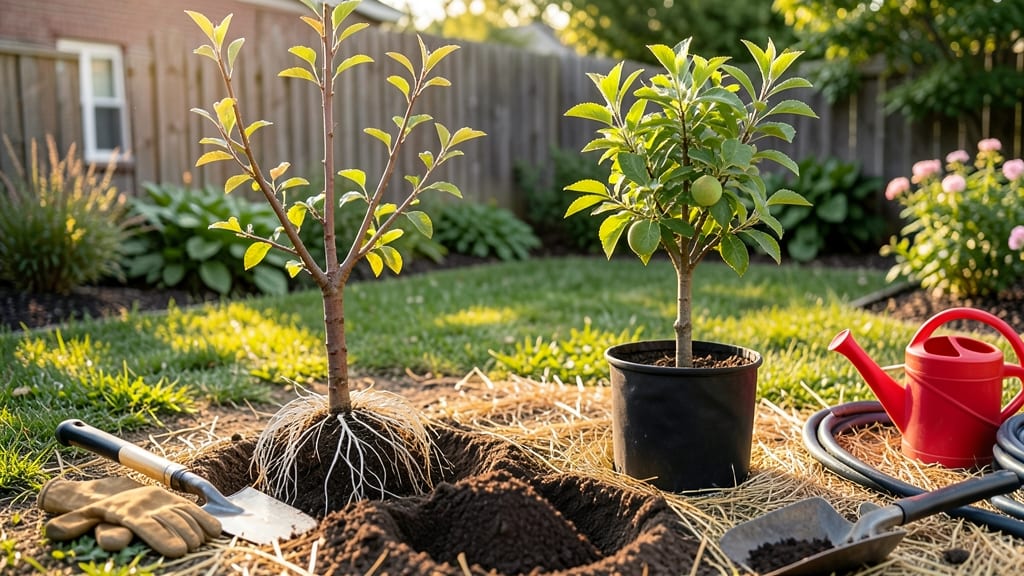
Planting a peach tree in Texas at the right time means the difference between a thriving 🍑 orchard and a sad, sun-scorched stump.
Texas isn’t one climate—it’s three (or four, if you count the Panhandle). In North Texas, a late frost can still hit in March, while down in the Rio Grande Valley, the ground stays warm enough to plant in January.
Get the timing wrong, and your tree could bolt to fruit too early, only to drop it under summer’s brutal heat.
Here’s the secret: Texas peach trees need 300–1,000 chill hours (that’s cold-but-not-freezing nights) to set fruit properly. Most varieties in your zone hit that mark by late February, but low-chill types can wait until April.
We’ll break down exactly when to plant bare-root vs. container-grown trees, plus how to adjust for your specific frost-free deadline.
You’ll also discover the one shortcut that buys you an extra two weeks of planting flexibility—plus the soil prep trick that keeps your tree alive through Texas’ infamous droughts. Let’s get started.
Texas peach tree planting timeline: chill-hour zones explained
Texas isn’t one-size-fits-all when it comes to peach trees.
The state’s chill-hour zones—ranging from 300 hours in South Texas to over 1,000 hours in the Panhandle—dictate when you can plant without risking frost damage or poor fruit production. Low-chill varieties (300-500 hours) thrive in warmer regions, while traditional varieties need more cold exposure.
Your first step is identifying your USDA Hardiness Zone and chill-hour zone. North Texas (Zones 7b-8a) typically gets 500-800 chill hours, while Central Texas (Zones 8a-8b) averages 400-600 hours.
South Texas (Zones 9a-10a) often sees 300-400 hours, making it ideal for low-chill peach varieties like ‘Redhaven’ or ‘Elberta’. Verify your zone using the Texas A&M AgriLife Extension chill-hour map.
Here’s how chill hours impact your planting window:
| Region | Chill Hours | Best Planting Month | Key Varieties |
|---|---|---|---|
| North Texas (Zones 7b-8a) | 500-800 | Late February - Early March | ‘Redhaven’, ‘Elberta’, ‘Contender’ |
| Central Texas (Zones 8a-8b) | 400-600 | Mid-March - Early April | ‘Sanguine’, ‘Springcrest’, ‘Flavor Grenade’ |
| South Texas (Zones 9a-10a) | 300-400 | Late January - February | ‘Tropic Beauty’, ‘Tropic Snow’, ‘Tropic Sweet’ |
*Plant bare-root trees in dormant season (winter) for best success.
For North Texas gardeners, aim to plant bare-root trees in late February to early March, before buds swell but after the last frost risk. Central Texas should wait until mid-March to avoid late-winter freezes, while South Texas can plant as early as late January thanks to milder winters. Container-grown trees offer flexibility—plant them year-round but avoid summer heat stress.
If you’re unsure about chill hours, opt for low-chill varieties like ‘Tropic Beauty’ (300 hours) or ‘Flavor Grenade’ (400 hours).
These thrive in warmer zones without needing extra cold exposure. Check the Texas A&M AgriLife Extension for localized chill-hour data—some microclimates (like hill country) may have 100+ extra chill hours than nearby areas.
Timing isn’t just about chill hours—it’s also about soil temperature. Peach trees need 60°F soil to root effectively. Use a soil thermometer to confirm readiness, especially in South Texas, where soils warm faster. Amend clay-heavy soils with compost to improve drainage and prevent root rot.
Pro tip: Mulch heavily after planting to retain moisture and regulate soil temperature. Use 3-4 inches of organic mulch (like pine straw or wood chips) and keep it 6 inches away from the trunk to prevent disease. Water deeply once a week for the first month to encourage root establishment.
Adjust your planting date if unseasonable cold snaps are forecasted. North Texas may need to delay until late March, while South Texas can push planting to February if temperatures stay mild. Monitor local weather alerts and use frost cloth for young trees if frost is predicted in spring.
Remember, peach trees planted in optimal chill-hour zones will bear fruit 2-3 years faster than those struggling with temperature extremes. Patience pays off—your first harvest could be just 3-4 years away if you time it right! 🌱
Critical frost-free deadlines: when to plant before Texas’ deadly freezes
Texas’ unpredictable frost dates can turn a promising peach tree into a frozen statistic if you’re not prepared. Unlike northern states, Texas freezes arrive late but fast, often between December and March.
In North Texas, hard freezes can hit as late as February 15, while the Gulf Coast might see light frost by January 15. Timing your planting wrong means your young tree could suffer root damage or even die before bearing fruit.
Your frost-free window for planting peach trees is narrow but critical. Bare-root trees should go in the ground 6-8 weeks before last frost, while container-grown trees can handle slightly later planting.
For most of Texas, this means mid-February to early March—but your exact deadline depends on your USDA zone and microclimate. Miss this window, and you risk delayed growth or frost damage to new roots.
⚠️ callout warning
- North Texas (Zones 7b-8a): Last frost Feb 15-March 1—plant by Feb 1 for bare-root trees.
- Central Texas (Zones 8a-8b): Last frost Feb 1-March 15—plant by mid-February.
- Gulf Coast (Zones 9a-10b): Last frost Jan 15-Feb 15—plant by early February.
If you’re in North Texas, where freezes can linger into March, prioritize low-chill varieties (300-500 hours) to reduce frost risk. These trees need fewer cold hours to fruit, making them ideal for Zone 7b-8a.
For example, the ‘Redhaven’ peach (700+ chill hours) might struggle, while ‘Sanguine’ (400 chill hours) thrives. Always mulch heavily (4-6 inches of straw or wood chips) to insulate roots during late-winter freezes.
For Central and South Texas, your biggest threat isn’t frost—it’s early-spring heatwaves. Planting too early (before February 15) can stress young trees with 90°F+ days by March. Instead, aim for late February to early March when soil temps are 55-65°F.
Use drip irrigation to keep roots cool and avoid transplant shock from sudden heat. If your area has variable frost dates, opt for container-grown trees—they adapt better to delayed planting.
Don’t overlook microclimates—a hilltop or low-lying area can shift your frost date by 1-2 weeks. If you’re near a large body of water (like the Gulf Coast), expect milder nights and a slightly later frost window.
Conversely, urban areas with heat islands may freeze earlier than rural zones. Use a minimum-maximum thermometer for 30 days to track your local patterns before planting.
Here’s your last-minute checklist if you’re planting near a frost deadline:
- ✅ Test soil temp—it should be 55°F+ at 6 inches deep.
- ✅ Choose a low-chill variety if your zone is 8a or warmer.
- ✅ Mulch immediately with 4-6 inches of organic mulch.
- ✅ Avoid nitrogen-heavy fertilizer—it encourages tender new growth vulnerable to frost.
- ✅ Water deeply the day before planting to reduce transplant shock.
Remember, Texas peach trees aren’t just fighting frost—they’re battling summer heat too. Planting at the right time ensures your tree has 6-8 weeks to establish roots before the April heatwave hits.
With the right timing and prep, your peach tree can survive Texas’ extremes and reward you with juicy fruit in 2-3 years. 🌱