
Planting
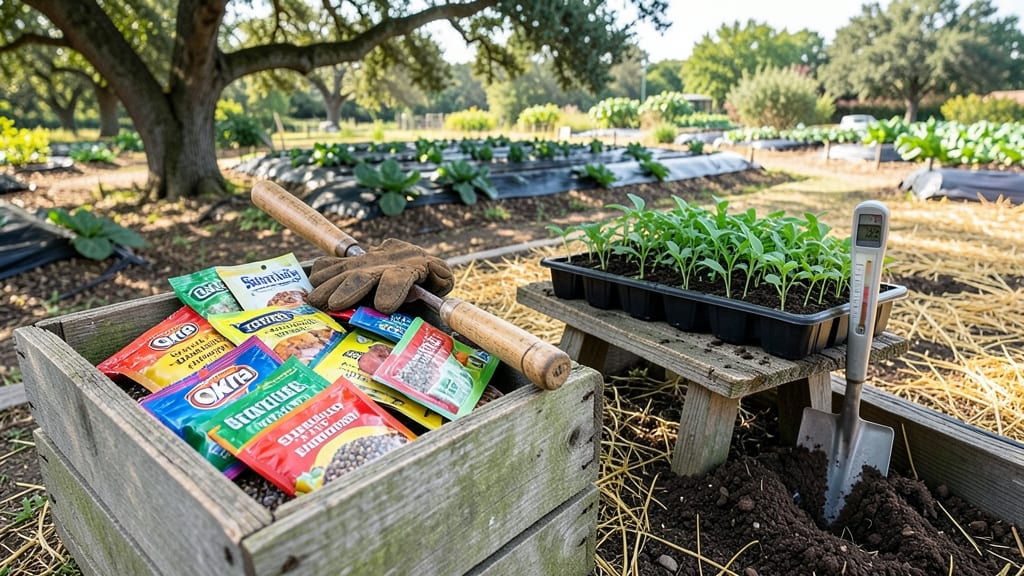
Planting a vegetable garden in Mississippi at the right time means the difference between a bountiful harvest and wasted effort—heat and frost dates here are unforgiving.
Mississippi’s long, hot summers and unpredictable frost dates make timing your vegetable garden critical—plant too early, and heat will scorch your seedlings; too late, and you’ll miss the growing season entirely.
For cool-season crops like lettuce and broccoli, start seeds indoors 4-6 weeks before your last frost date (typically late February to early March in most of the state). Warm-season favorites such as tomatoes and peppers, however, need to wait until 2-3 weeks after frost—usually around mid-April.
Below, I break down Mississippi’s frost-free deadlines by region, the best heat-tolerant varieties for summer, and how to extend your growing season with simple hacks like row covers and succession planting.
Mississippi’s frost-free deadlines by region: when to start planting cool-season vegetables
Timing your cool-season vegetables in Mississippi means understanding the last frost dates across the state’s USDA zones 7a-8b. Northern Mississippi (zones 7a-7b) has later frost risks than Southern Mississippi (zones 8a-8b), so your planting window shifts depending on where you live.
For lettuce, broccoli, cabbage, and peas, getting this timing right means the difference between a thriving garden and lost seedlings.
Mississippi’s average last frost date ranges from mid-March in the south to early April in the north. However, these dates can vary by 1-2 weeks each year, so always check local forecasts or use the Mississippi State University Extension frost calendar as your guide.
Cool-season crops like kale, spinach, and carrots can handle light frosts, but delicate greens like lettuce will bolt or die if exposed to temperatures below 28°F.
To protect your cool-season vegetables, start seeds 4-6 weeks before your last frost date indoors or in a cold frame. For example, if your last frost is March 20, begin sowing seeds around February 10 to ensure healthy transplants ready for the garden.
Hardier crops like peas and broccoli can often handle direct sowing 2-3 weeks before the last frost, while tender greens should wait until 2 weeks after to avoid frost damage.
Here’s how Mississippi’s regions break down for cool-season planting, including frost-free deadlines and ideal planting windows:
| Region | USDA Zone | Avg. Last Frost | Plant Lettuce | Plant Broccoli | Plant Peas |
|---|---|---|---|---|---|
| Northern MS (Tupelo, Oxford) | 7a-7b | March 20-April 5 | March 15-April 10 | March 1-February 28 (indoors) | February 15-March 15 |
| Central MS (Jackson, Starkville) | 7b-8a | March 10-March 25 | February 25-March 20 | February 15-March 10 (indoors) | February 1-March 10 |
| Southern MS (Biloxi, Gulfport) | 8a-8b | March 1-March 15 | February 15-March 10 | February 1-March 5 (indoors) | January 20-February 20 |
For Northern Mississippi, where frosts linger longer, focus on late February to early April for cool-season planting.
This region’s USDA Zone 7a-7b means you’ll need to use row covers or cold frames to extend the season into early spring. Peas and broccoli are your best bets for early sowing, while lettuce and spinach should wait until mid-March to avoid frost damage.
In Central Mississippi (Zones 7b-8a), you’ve got a slightly earlier window. Start broccoli and cabbage seeds indoors by mid-February and transplant them by late March. For direct-sown crops like radishes and carrots, aim for early March.
The warmer climate here allows for a second fall planting of cool-season crops like kale and collards, which can handle light frosts and even light freezes.
Southern Mississippi’s USDA Zone 8a-8b gives gardeners the longest growing season, with frost-free dates as early as March 1. This means you can start cool-season vegetables like lettuce and peas as early as mid-January in a protected environment.
For direct sowing, February 15 is your target. Take advantage of this extended season by planting successive crops every 2 weeks to ensure a continuous harvest through April.
If you’re planting for a fall harvest, aim to sow seeds 8-10 weeks before your first frost, which typically falls between November 10 and November 20. For Southern Mississippi, this means late August to early September plantings, while Northern Mississippi gardeners should start in early
Best heat-tolerant vegetables for Mississippi’s summer garden & their planting schedule
Mississippi’s summer heat can turn a garden into a sauna, but with the right heat-tolerant vegetables, you can thrive even when temps soar. These summer powerhouses not only survive but thrive in 90°F+ conditions, giving you bountiful harvests when other gardens wilt.
The key? Planting at the right time and pairing them with companion plants that boost their resilience.
For Mississippi’s USDA zones 7b-8b, the window for planting heat-loving vegetables opens in late March to early April, right after the last frost date. However, some varieties—like sweet potatoes and black-eyed peas—can handle direct sowing as early as February in southern regions.
The goal is to get them established before the peak summer heat arrives in June and July.
🌡️ Mississippi Summer Planting Schedule: Top 5 Heat-Tolerant Vegetables
- 🌿 Okra – Plant March 15–April 15. Spacing: 12–18 inches apart. Companion: Peppers, tomatoes.
- 🍠 Sweet Potatoes – Plant February 15–March 30 (slips). Spacing: 12–18 inches apart. Companion: Beans, corn.
- 🌱 Black-Eyed Peas – Plant March 1–April 15. Spacing: 4–6 inches apart. Companion: Okra, cucumbers.
- 🍃 Collard Greens – Plant April 1–May 15. Spacing: 12–18 inches apart. Companion: Onions, carrots.
- 🌶️ Peppers (Hot & Sweet) – Plant March 1–April 15. Spacing: 12–18 inches apart. Companion: Basil, tomatoes.
Don’t overlook succession planting for these heat lovers. For example, okra and black-eyed peas can handle multiple sowings every 2–3 weeks through June to ensure a continuous harvest. Meanwhile, sweet potatoes and peppers prefer to be planted early so they mature before the humidity spikes in late summer.
One of my favorite companion planting tricks is pairing okra with peppers. The peppers deter pests like aphids, while the okra’s deep roots improve soil aeration.
For collard greens, interplanting with onions keeps cabbage worms at bay. These pairings not only boost yields but also reduce the need for chemical pesticides.
Watering is another critical factor. Deep watering in the morning (before 10 AM) is essential to prevent fungal diseases like powdery mildew, which thrives in Mississippi’s high humidity.
Aim for 1–2 inches of water per week, but adjust based on rainfall. Mulching with straw or pine needles helps retain moisture and keeps roots cool.
If you’re new to growing heat-tolerant vegetables, start with okra or peppers—they’re forgiving and rewarding. For a full summer garden plan, combine these top picks with eggplant, squash, and Southern peas for a diverse, low-maintenance harvest.
With the right timing and a little shade cloth on the hottest days, you’ll enjoy fresh produce straight from your garden all summer long! 🌿