
Planting
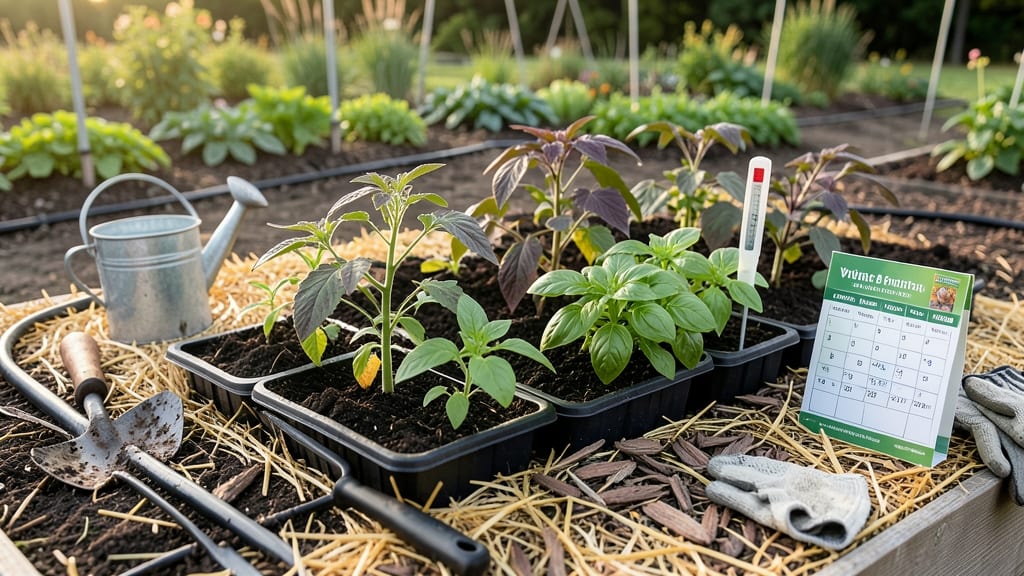
Planting a vegetable garden in Virginia at the right time means the difference between a bumper crop and wasted seeds 🥬 — and the exact window depends on whether you’re growing spinach or tomatoes.
Virginia’s varied climate—from the cooler mountains to the humid coastal plains—means planting your vegetable garden at the wrong time can mean wasted seeds and missed harvests. Get the exact last-frost dates and regional tips to ensure your tomatoes, peppers, and greens thrive all season long.
Most gardeners in the 6a-8a zones should aim for late winter to early spring, but timing shifts dramatically from Northern Virginia’s March 1 last-frost average to Southern Virginia’s April 1 mark.
Warm-season crops like peppers and cucumbers can’t handle a late chill, while cool-season greens like kale and lettuce need to be in the ground 4-6 weeks before that frost date.
Below, I break down the foolproof planting schedule by region, how to stretch your growing season with row covers, and the 3 biggest timing mistakes Virginia gardeners make—and how to avoid them.
Virginia’s last-frost dates by region: exact timing for cold-hardy vs. warm-season vegetables
Virginia’s five distinct climate zones create wildly different planting windows—from the mild coastal plains to the chilly Appalachian mountains. Knowing your last-frost date is the key to timing cold-hardy greens like spinach and warm-season favorites like tomatoes perfectly.
Miss the mark, and you’ll either lose tender seedlings to frost or waste time waiting for heat-loving plants to grow.
I’ve broken down the exact last-frost dates for each region, plus the ideal planting windows for your most common vegetables. Whether you’re in Richmond’s Piedmont or Blacksburg’s highlands, these timelines will help you avoid frost damage and maximize your harvest.
Pro tip: Use these dates as a starting point, then monitor your local soil temperature—cold soil can delay germination even after the last frost.
🌱 Cold-hardy crops (like peas, spinach, and kale) can handle light frosts, while warm-season plants (tomatoes, peppers, cucumbers) need consistent warmth to thrive. The rule of thumb? Plant cool-season crops 4-6 weeks before your last frost, and warm-season crops 2-3 weeks after. But Virginia’s microclimates mean you’ll need to adjust based on your exact location.
| Region | Avg. Last Frost | Cold-Hardy Crops (Plant) | Warm-Season Crops (Plant) | Key Notes |
|---|---|---|---|---|
| Coastal Plain (Norfolk, Virginia Beach) | March 15–April 1 | Spinach (Feb), Peas (Feb-Mar), Kale (Jan) | Tomatoes (Apr 15), Peppers (May 1) | Humidity delays germination; use row covers. |
| Piedmont (Richmond, Charlottesville) | March 22–April 5 | Lettuce (Feb-Mar), Broccoli (Mar), Carrots (Feb) | Peppers (Apr 20), Eggplant (May 10) | Watch for late frosts in April; harden off seedlings. |
| Blue Ridge (Roanoke, Lynchburg) | March 30–April 10 | Peas (Mar), Cabbage (Feb), Radishes (Feb) | Tomatoes (Apr 25), Basil (May 1) | Cooler nights; use black plastic mulch for warmth. |
| Valley & Ridge (Staunton, Harrisonburg) | April 5–April 15 | Spinach (Mar), Onions (Feb), Lettuce (Mar) | Cucumbers (May 1), Okra (May 15) | Longer growing season; succession plant for fall. |
| Appalachian Plateau (Bristol, Wise) |
How to extend your growing season in Virginia: frost-proofing tips for early and late plantingVirginia’s growing season can feel short, but with the right strategies, you can plant earlier in spring and harvest later in fall. I’ve used these frost-proofing methods to grow cabbage in March and broccoli in September—both thriving despite Virginia’s unpredictable weather. The key is combining season extension tools with smart planting timing. Start by identifying your microclimate. A sheltered spot near a south-facing fence or sunny slope can add 1-2 weeks to your season. Pair that with row covers or cold frames, and you’ll push your planting windows dramatically. For example, I planted spinach in late February under a floating row cover and harvested it by May—something I never could’ve done without protection.
For warm-season vegetables like tomatoes and peppers, focus on late-summer planting. I’ve had success sowing tomato seeds indoors in June and transplanting hardened-off seedlings in early August. With a row cover or low tunnel, I’ve extended harvests until mid-November—far beyond the typical first-frost date in most of Virginia. Don’t overlook succession planting as your secret weapon. Instead of planting all your bush beans at once, stagger plantings every 2 weeks from April to July. This ensures a steady supply of fresh beans while maximizing your garden’s productivity. I’ve also used this tactic with lettuce and radishes for a near-continuous harvest from spring to fall. Protect young plants with frost cloth during late-spring or early-fall frosts. Even a light frost can damage tender seedlings, so I always have frost blankets ready for cabbage, broccoli, and kale planted in September. Pair this with black plastic mulch to warm the soil faster in spring—this combo lets me plant peppers in April instead of waiting for May. Finally, keep a planting journal to track what works in your specific Virginia microclimate. Note which season extension methods gave you the best results, and adjust future plantings accordingly. Last year, my cold frame let me harvest spinach until Christmas—something I’d never attempted before! With these strategies, you can turn Virginia’s short growing season into a year-round harvest of fresh vegetables. |