
Planting
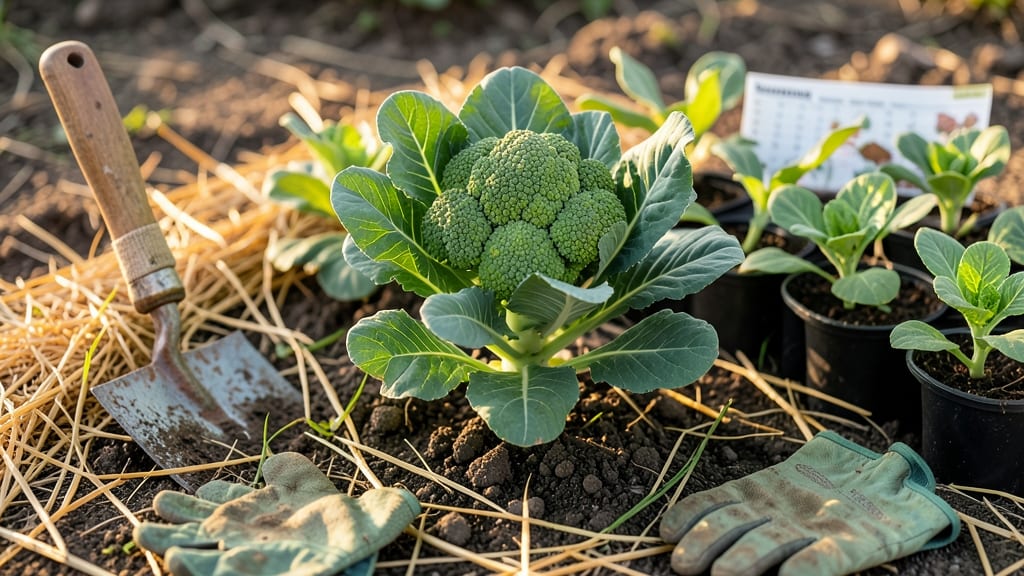
Planting a vegetable garden in Northern California 🥬 depends on your microclimate—coastal fog delays spring while inland valleys warm up fast, and getting the timing wrong can mean lost harvests.
Northern California’s diverse microclimates—from coastal fog to inland valleys—mean your vegetable garden’s planting schedule could vary by weeks from just 50 miles away.
If you’ve ever watched seedlings wilt in a late frost or bolt into bitter greens from sudden heat, you know how critical the right timing is. The key is aligning your planting with frost-free dates, which shift from mid-February in Sacramento to mid-March near the coast.
Below, I break down the exact planting windows by region, which crops thrive where, and how to adjust for unexpected weather—so you can go from soil to harvest with confidence.
Northern California frost-free dates by region: coastal vs. valley planting schedules
Northern California’s microclimates create dramatic differences in frost-free dates, which directly impact when you can plant your vegetable garden. Coastal areas like San Francisco and the Redwood Coast enjoy milder winters with later frosts, while inland valleys like Sacramento and Napa experience colder temperatures and earlier frost.
Understanding these variations helps you align your planting schedule with your local climate for optimal harvests.
For example, USDA Zone 8a (typical of Sacramento) has an average last frost date of February 15, while Zone 9b (coastal areas) often sees frost-free conditions by March 15. This 4-week difference means warm-season crops like tomatoes and peppers can be planted weeks earlier in coastal gardens.
Meanwhile, cool-season crops like kale and peas thrive in both regions but require different timing for succession planting.
Here’s how these regional frost-free dates translate into planting windows for your garden:
| Region | USDA Zone | Avg. Last Frost | Avg. First Frost | Cool-Season Planting Window | Warm-Season Planting Window |
|---|---|---|---|---|---|
| San Francisco | 9b | March 15 | December 1 | Sept–Nov, Feb–April | April–June, Aug–Sept |
| Bay Area (Oakland) | 9a | March 1 | November 15 | Sept–Nov, Jan–March | March–May, July–Sept |
| Sacramento | 8a | February 15 | November 15 | Sept–Oct, Feb–March | April–June, July–Aug |
| Napa Valley | 9a | March 1 | November 1 | Sept–Nov, Jan–March | March–May, July–Sept |
| Redwood Coast | 9b | March 15 | December 15 | Sept–Nov, Feb–April | April–June, Aug–Sept |
If you’re in the coastal regions like San Francisco or the Redwood Coast, you can plant warm-season crops like tomatoes and peppers as early as April, thanks to the later frost dates. Meanwhile, gardeners in Sacramento or Napa should wait until mid-April to avoid late frost damage.
For cool-season crops, coastal gardeners can extend their harvests into late fall, while inland areas may need to start seeds earlier to beat the first frost.
Local weather patterns also play a role. Coastal areas often experience marine layer fog, which can delay warming in spring. In contrast, inland valleys warm up faster but face hotter summers, requiring shade or drip irrigation for heat-sensitive crops like lettuce.
I recommend checking your local National Weather Service alerts for frost advisories in early spring, as these can shift your planting schedule by weeks.
For succession planting, coastal gardeners can often plant leafy greens like spinach or kale every 2-3 weeks from September through April. Inland gardeners, however, should focus on early spring (February–March) and
Best vegetables to plant by month in Northern California’s microclimates
Northern California’s coastal fog and inland heat create unique growing conditions that demand region-specific planting. Coastal areas like San Francisco (USDA Zone 9b) can plant kale and peas year-round, while Sacramento’s Zone 8a valleys need to wait until late spring for tomatoes and peppers.
Understanding these differences ensures your garden thrives.
Use this month-by-month guide to align your planting with your local microclimate. Coastal gardeners can start cool-season crops like lettuce in January, while inland gardeners should wait until March to avoid frost damage. Succession planting every 2-3 weeks keeps harvests continuous.
📅 Coastal Regions (San Francisco, Redwood Coast):
| Month | Coastal Plants | Valley Plants | Notes |
|---|---|---|---|
| January | Kale, Peas, Lettuce | Spinach, Carrots | Start seeds indoors |
| March | Broccoli, Cabbage | Tomatoes, Peppers | Harden off seedlings |
| May | Green Beans, Cucumbers | Okra, Sweet Potatoes | Use shade cloth |
| September | Radishes, Arugula | Kale, Brussels Sprouts | Extend season with row covers |
In cooler coastal areas, prioritize heat-tolerant varieties like ‘Sugar Snap’ peas or ‘Lacinato’ kale. These thrive in mild temperatures and foggy conditions that inland gardens avoid. For valley regions, focus on fast-maturing crops like bush beans or zucchini to beat summer’s intense heat.
For continuous harvests, practice succession planting every 2-3 weeks. For example, sow lettuce every 10 days from February to October in coastal areas. Inland gardeners can extend their season by planting cool-season crops like spinach in September for a winter harvest before spring’s last frost.
Monitor local frost dates—coastal areas may have no frost in winter, while inland zones like Sacramento can see frost as late as November 15. Use frost-sensitive plants like tomatoes only after your area’s last frost date, typically March 15 in coastal zones and April 15 inland.
Pro tip: Check the UC Master Gardener Program’s local frost maps for real-time updates. Adjust planting dates by 1-2 weeks if your area experiences unusual weather patterns. With these microclimate-specific strategies, your garden will flourish year-round! 🌱