Planting
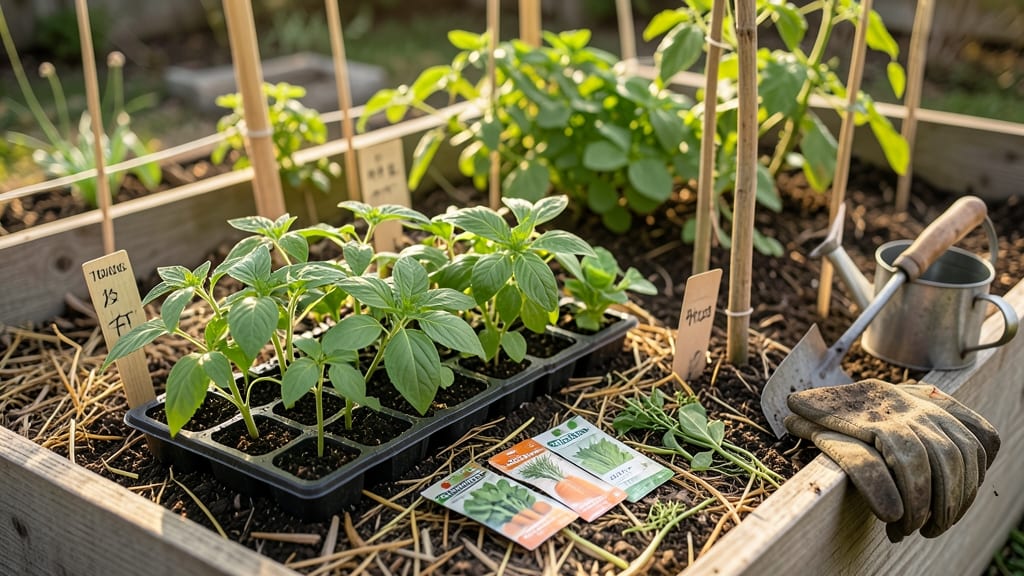
To plant a vegetable garden in NC at the right time means timing your seeds and seedlings to avoid frost damage or wasted effort—whether you’re in Zone 7A or warmer Zone 8B.
North Carolina’s diverse climate means your vegetable garden’s success hinges on planting at the perfect time—miss the window, and you risk frost damage or stunted growth. Whether you’re in frost-prone Zone 7A or warmer Zone 8B, these frost-free deadlines will help you time your plantings like a pro.
Cool-season crops like lettuce and spinach thrive when planted 4-6 weeks before your last frost date, while warm-season favorites such as tomatoes and peppers need to wait until 2-3 weeks after the frost has passed.
In Zone 7A, that’s typically early March for spring crops, but coastal areas in Zone 8B can start even earlier.
Below, I’ll break down the exact planting windows for your 🌱 vegetable garden, regional adjustments for NC’s microclimates, and how to extend your growing season—so you can enjoy fresh harvests from spring through fall.
NC frost-free planting deadlines by zone (7A vs. 8B)
North Carolina’s USDA Zones 7A and 8B create wildly different planting windows—just 100 miles apart in the Piedmont vs. Coastal Plain can mean 2-3 weeks of timing difference.
In Zone 7A (e.g., Asheville, Raleigh), the average last frost date is March 15-30, while Zone 8B (e.g., Wilmington, Fayetteville) often sees frost-free conditions by February 28-March 15. These deadlines separate cool-season champions (like spinach and peas) from warm-season divas (tomatoes and peppers).
Microclimates add another layer: Mountain valleys in Zone 7A may experience frost 2 weeks later than nearby ridges, while Coastal Plain areas in Zone 8B can push planting 1-2 weeks earlier. Always check local weather records—your neighbor’s garden might be on a completely different schedule!
For example, Lake Lure (Zone 7A) might still see frost in early April, while Jacksonville (Zone 8B) could be planting heat-loving crops by late February.
A critical rule: Cool-season crops (broccoli, lettuce, carrots) should go in 4-6 weeks before last frost, while warm-season crops (tomatoes, peppers, cucumbers) need to wait 2-3 weeks after. In Zone 7A, that means late February for peas but mid-April for tomatoes.
Zone 8B gardeners can start tomatoes by March 15—but watch for unexpected cold snaps even in warmer zones.
Here’s the visual cheat sheet for your planting timeline, comparing Zone 7A vs. 8B deadlines and microclimate adjustments:
For Zone 7A gardeners, the late February to early March window is prime for spinach, kale, and peas. But if you’re in Asheville or Boone, hold off until March 15—those mountain valleys can surprise you with late frosts.
Meanwhile, Zone 8B’s warmer microclimates (like New Bern or Goldsboro) let you plant lettuce and radishes in January—just cover them if temps dip below 25°F.
Summer planting in Zone 7A starts after April 15,
Best vegetables to plant in NC by season (with exact months)
North Carolina’s two distinct growing seasons—cool and warm—dictate which vegetables thrive when. Cool-season crops like broccoli and spinach love spring’s mild temps, while tomatoes and peppers bask in summer’s heat.
But timing varies by USDA Zone: Zone 7A’s last frost (March 15) arrives weeks before Zone 8B’s (March 1). Here’s your seasonal planting calendar tailored to NC’s climate.
For Zone 7A gardeners, cool-season crops like kale and carrots should hit the soil by February 15 to mature before summer’s heat. In Zone 8B, you’ve got extra time—plant lettuce as late as March 15 without frost risk.
Warm-season stars like sweet corn and okra wait until April 15 in 7A and March 20 in 8B, when soil temps hit 60°F+.
- Spinach (Zone 7A: Feb 1; 8B: Feb 15)
- Broccoli (Zone 7A: Feb 15; 8B: Mar 1)
- Peas (Zone 7A: Mar 1; 8B: Feb 20)
- Tomatoes (Zone 7A: Apr 15; 8B: Mar 20)
- Peppers (Zone 7A: Apr 20; 8B: Mar 25)
- Cucumbers (Zone 7A: May 1; 8B: Apr 5)
- Kale (Zone 7A: Jul 15; 8B: Aug 1)
- Radishes (Zone 7A: Aug 1; 8B: Aug 15)
- Green Beans (Zone 7A: Jul 1; 8B: Jun 20)
Don’t overlook succession planting—sow bush beans every 2 weeks from May to July for a continuous harvest. In Zone 8B, you can even plant collard greens in September for a winter crop.
Just remember: soil temperature matters more than calendar dates. Use a soil thermometer to confirm 60°F+ for warm-season crops.
For container gardening, prioritize compact varieties like bush beans or cherry tomatoes. These thrive in 5-gallon pots and let you adjust planting times based on your balcony’s microclimate. Potted herbs like basil and cilantro can even be moved indoors before frost in Zone 7A.
Missed the spring window? No problem! Summer squash and zucchini are forgiving—they’ll bolt in heat but still produce.
Just plant seeds directly in soil (no transplants) after May 10 in Zone 7A or April 15 in Zone 8B. And if your fall harvest fizzles, try garlic—plant it in November for next summer’s crop!
Track your local frost dates using the NC State Extension’s frost map. Coastal areas like Wilmington have earlier last frosts (as early as February 28), while mountains in Zone 7A may wait until April 1.
Adjust your calendar accordingly—your tomato plants will thank you with juicier fruit when planted at the perfect time. 🌱