
Plants
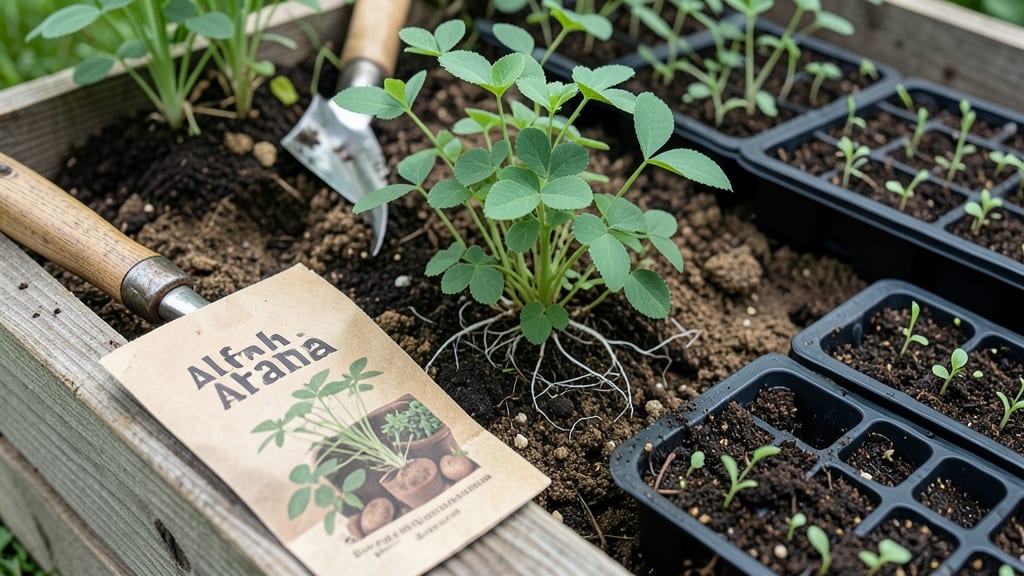
Planting alfalfa in Michigan at the right time means the difference between a thriving forage crop and a struggling one 🌱 — aim for early spring when soil temperatures hit 45°F or later summer just before frost risks return.
Michigan’s short but sweet growing season demands precision when planting alfalfa—get the timing wrong, and you risk stunted growth or frost damage. Here’s your zone-specific guide to maximizing yields in USDA Zones 5-6.
Most gardeners in Zone 5b-6b swear by early spring planting in March, when the last frost typically passes by mid-April. But late summer (August) is a smart backup for those who missed the spring window, giving seedlings time to establish before winter.
Below, I’ll break down the exact frost-free windows by region, soil prep tips to speed up germination, and how to adjust for Michigan’s unpredictable microclimates—so you can plant with confidence and harvest come late summer.
Alfalfa planting dates in Michigan: frost-free window by Zone 5-6
Timing is everything when planting alfalfa in Michigan’s USDA Zones 5-6. Unlike warm-season crops, alfalfa thrives when soil temperatures consistently reach 45°F or higher. Plant too early, and seedlings risk frost damage; too late, and your crop won’t mature before winter.
Michigan’s microclimates—like Detroit’s urban heat islands versus Traverse City’s cooler lakeside air—can shift ideal planting windows by 2-3 weeks.
Most Michigan gardeners focus on spring planting (March-April), but late-summer options (August) exist for fall establishment. The key is calculating your last frost date with a 30-day buffer for seedling growth.
For example, if your last frost is May 10, aim to plant by April 10 to ensure mature plants before winter. Northern Michigan’s Zone 5b regions may need to adjust 1-2 weeks earlier than southern Zone 6b areas.
| Region | USDA Zone | Last Frost Date | Ideal Planting Window | Soil Temp Threshold |
|---|---|---|---|---|
| Northern Michigan (Traverse City, Marquette) | 5b | May 15 | April 1-15 | 45°F+ |
| Central Michigan (Lansing, Grand Rapids) | 5b-6a | May 1-10 | April 1-25 | 45°F+ |
| Southern Michigan (Detroit, Ann Arbor) | 6a-6b | April 25-May 5 | March 25-April 15 | 45°F+ |
| Fall Planting (All Regions) | 5b-6b | October 15 | August 1-15 | 50°F+ |
To pinpoint your last frost date, check Michigan State University’s Michigan Weather and Climate resources or use the National Oceanic and Atmospheric Administration (NOAA) frost calculator. For example, Detroit’s average last frost is April 25, while Traverse City’s is May 15.
Add 30 days to your last frost date for your planting deadline—this ensures seedlings establish roots before summer heat arrives.
For spring planting, I recommend starting seeds indoors 4-6 weeks before your target outdoor date. Use biodegradable pots to avoid transplant shock, and harden off seedlings by placing them outdoors for 2-3 hours daily the week before transplanting.
Alfalfa seeds germinate best at 60-70°F soil temperatures, so wait until nighttime temps stay above 50°F consistently.
If you’re considering fall planting, aim for August 1-15 in most of Michigan. Fall-planted alfalfa benefits from cooler temperatures and establishes roots before winter dormancy. However, avoid planting after September 1 in northern regions, as seedlings may not mature enough to survive winter.
Southern Michigan’s Zone 6b areas can push fall planting to mid-September with proper mulching.
Soil preparation is critical for alfalfa success. Test your soil’s pH—alfalfa thrives in 6.5-7.5 range. Amend acidic soils with lime (apply 2-3 months before planting) and incorporate compost to improve drainage.
Alfalfa has deep roots, so till at least 12 inches deep to prevent compaction. Avoid fresh manure, which can burn seedlings.
After planting, maintain consistent moisture—alfalfa’s deep roots need 1-1.5 inches of water weekly during establishment. Use drip irrigation to keep foliage dry and reduce disease risk. Once established, alfalfa is drought-tolerant, but young plants wilt quickly in dry conditions.
Mulch with straw to retain moisture and suppress weeds, which compete aggressively with alfalfa’s shallow early roots.
Monitor your alfalfa seedlings closely for damping-off disease, a fungal issue common in Michigan’s humid springs. If you notice seedlings collapsing at the soil line, improve airflow by thinning plants to 4-6 inches apart and avoid overhead watering.
For fall-planted crops, apply a light mulch layer in late October to insulate roots before winter.
Remember: Michigan’s growing season is short, but alfalfa’s perennial nature makes it worth the effort. With precise timing and proper care, your alfalfa can produce high-quality forage for 3-5 years. Start with the right planting window, and you’ll be harvesting nutrient-rich hay by next summer! 🌱
Spring vs. fall planting: pros, cons, and Michigan-specific risks
Deciding between spring and fall planting for alfalfa in Michigan depends on balancing survival rates and avoiding seasonal risks. Michigan’s USDA Zones 5-6 present unique challenges like late spring frosts (often in May) and early snow (as early as October).
Let’s break down the trade-offs to help you choose the best timing for your alfalfa crop.
Spring planting offers higher seedling survival rates because young plants establish roots before summer heat stress. However, Michigan’s unpredictable late frosts can damage tender seedlings if planted too early. Fall planting, on the other hand, allows alfalfa to develop a strong root system before winter, reducing winter kill risks.
But early snow or freezing temperatures can cut the growing season short.
Spring Planting
- Higher seedling survival
- Full growing season for harvest
- Easier to monitor for pests
- Risk of late frost damage
- Requires consistent watering
- Pests may thrive in warm soil
Fall Planting
- Reduces winter kill risk
- Soil is warmer for root growth
- Fewer weeds compete early
- Early snow can damage seedlings
- Shorter growing season
- Harder to monitor in winter
For southern Michigan (e.g., Detroit, Kalamazoo), the fall window extends later into October due to milder microclimates. In contrast, northern Michigan (e.g., Traverse City, Marquette) faces earlier frosts, making spring planting safer.
Always check your last frost date (typically mid-April) and aim to plant alfalfa seeds 4-6 weeks before to ensure strong establishment.
If you choose spring planting, start seeds indoors in late February or direct-sow in early March once soil temperatures reach 45°F+. For fall planting, target late August to early September, giving seedlings time to root before winter.
In both cases, prioritize well-draining soil and full sun to mitigate Michigan’s climate risks.
Remember, alfalfa thrives with consistent moisture and balanced fertilization. Whether you plant in spring or fall, monitor soil conditions closely and adjust your schedule based on local weather forecasts. A little preparation now can mean a healthier, higher-yielding crop next season.
🌱