
Plants
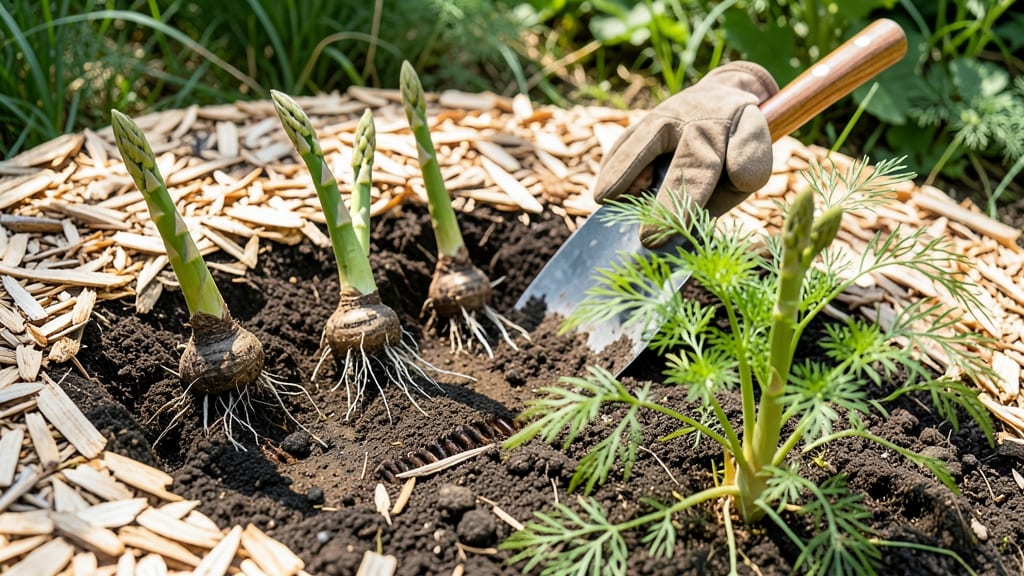
Planting asparagus in Maryland at the right time means the difference between a three-year wait for harvests and a patch that thrives from year one.
Maryland’s unique climate—with its hot summers and chilly winters—can make or break your asparagus harvest. Planting at the wrong time means stunted growth or even crop failure, but timing it perfectly unlocks three full years of harvests with minimal effort.
For Maryland gardeners in USDA Zones 7a-7b, the window is narrow: crowns go in the ground as soon as the soil warms to 50°F—typically late March through April—before the last frost date of April 15.
Too early, and the crowns rot; too late, and your crop won’t establish before winter.
Below, I’ll walk you through the exact frost-date triggers, how to prep your soil for maximum root growth, and whether crowns or seeds are the smarter choice for your Maryland garden.
Maryland’s ideal asparagus planting windows: frost dates & soil prep
Maryland’s USDA Zones 6-7 create a tricky balance for asparagus—too early, and frost zaps tender crowns; too late, and your plants struggle to establish roots before summer heat. The last average frost date in Maryland typically falls between mid-April and early May, depending on your region.
For Coastal Maryland (Zone 7b), you can plant as early as late February to March, while Western Maryland (Zone 6) gardeners should wait until mid-to-late April.
Asparagus is a perennial crop that takes 2-3 years to mature, so getting the timing right now means decades of harvests with minimal replanting. Unlike annuals, asparagus crowns need 6-8 weeks of warm soil (at least 60°F) to establish roots before winter dormancy.
In Maryland, this means planting 4-6 weeks before your last frost date—ideally in March for Zone 7b or April for Zone 6.
Here’s how Maryland’s microclimates affect your planting window:
| Planting Method | Best Planting Window (Maryland) | Soil Temp Requirement | Root Establishment Time | Notes for Maryland Gardeners |
|---|---|---|---|---|
| Crowns (Recommended) | Zone 7b: Late Feb–March Zone 6: Mid–Late April |
60°F+ (15°C+) | 6–8 weeks before first frost | Faster harvest (Year 3), 90% success rate if timed correctly. |
| Seeds (Advanced) | Zone 7b: April–May Zone 6: May–June |
50°F+ (10°C+) | 12–16 weeks before first frost | Slower (Year 4 harvest), 70% success rate—best for variety trials. |
| Late Planting (Risky) | Zone 7b: May (if no frost risk) Zone 6: Avoid |
65°F+ (18°C+) | Limited root growth before winter | Not recommended—high chance of winter kill in Zone 6. |
For crown planting, Maryland gardeners should aim for soil temperatures above 60°F—a critical threshold for root growth.
Use a soil thermometer to monitor; if temps dip below 50°F, delay planting until conditions stabilize. Coastal areas like Annapolis can plant 2-3 weeks earlier than inland regions like Frederick, thanks to milder winters.
Preparing your soil is just as critical as timing. Asparagus thrives in loamy, well-draining soil with a pH of 6.5–7.5. Maryland’s native clay soils often need amendment: mix in 2–3 inches of compost and sand or peat moss to improve drainage.
Avoid fresh manure—it can burn crowns and attract pests. Test your soil’s phosphorus and potassium levels; asparagus is a heavy feeder and needs these nutrients for robust root systems.
Here’s my step-by-step soil prep checklist for Maryland gardeners:
- Test soil pH (aim for 6.5–7.5; adjust with lime or sulfur if needed).
- Dig trenches 6–8 inches deep and 12–18 inches apart.
- Fill trenches with a mix of topsoil, compost, and sand (50/30/20 ratio).
- Soak the soil 24 hours before planting to encourage root expansion.
- Plant crowns with roots facing down, 2–3 inches deep in the trench.
If you’re planting in Zone 6 and face an unusually early frost, use row covers or cold frames to protect young crowns. In Zone 7b, late frosts in May can still damage tender shoots, so have frost cloth ready for the first 4–6 weeks after planting.
Mulch heavily with straw or wood chips to insulate roots and retain moisture during Maryland’s hot, dry summers.
Pro tip: Mark your planting date on a calendar and track soil temps weekly.
If you plant asparagus crowns in early April (Zone 7b) or late April (Zone 6), you’ll ensure roots establish before winter, setting the stage for Year 3 harvests—the most productive phase for Maryland gardeners. Patience is key: the first two years are all about building a strong root system, not harvesting.
Remember, asparagus is a long-term investment. A well-timed planting in Maryland’s climate can yield harvests for 15–20 years with proper care. Start small—try a 3-foot row—and expand as you master the timing. Your future self (and dinner table) will thank you! 🌱
How to time asparagus harvests for Maryland’s climate: month-by-month guide
Timing your asparagus harvest in Maryland isn’t one-size-fits-all—it depends on whether you’re in the Coastal Plain, Piedmont, or Western regions, each with its own frost patterns and growing season length.
For first-year plants, you’ll harvest nothing, but by year three, you’ll enjoy a bounty if you follow these month-by-month cues tailored to Maryland’s microclimates.
In Coastal Maryland, where springs arrive earlier, harvests often begin by mid-April, while Western Maryland’s later frosts may delay spears until late April or early May.
The key is watching for 6-8 inch spears with tightly closed tips—this is your harvest window. Mature plants can produce for 8-10 weeks if managed correctly.
🌱
⚠️ Critical Warning: Over-Harvesting Kills Your Crop
Never harvest more than 20% of your asparagus bed in the first year—this rule applies even if spears look perfect. Over-harvesting weakens the crowns and can permanently reduce future yields. Maryland’s short growing season demands patience; prioritize root establishment over short-term spears.
Signs of over-harvesting: Yellowing fronds, stunted new shoots, or spears that emerge thinner than a pencil.
For first-year plants, resist the urge to harvest—even if spears pop up. These plants need all their energy to establish strong root systems. In year two, you might harvest a few spears in late May or June, but again, keep it minimal.
By year three, your patience pays off: harvest begins in early April and peaks in May-June, lasting until mid-June in most of Maryland.
Extend your harvest season by mulching heavily in late summer with straw or leaves to insulate crowns from early frosts. In Western Maryland, where nights dip below freezing earlier, use frost blankets to protect emerging spears in March.
Coastal areas can often harvest 1-2 weeks earlier than inland regions due to warmer microclimates.
Watch for purple-tinged spears—this is normal for Maryland’s cooler springs and indicates cold tolerance. However, if spears turn yellow or woody, they’re past their prime.
Always harvest in the morning when spears are crisp and firm. Use a sharp knife to cut spears at ground level to avoid damaging the crown.
🌿