
Plants
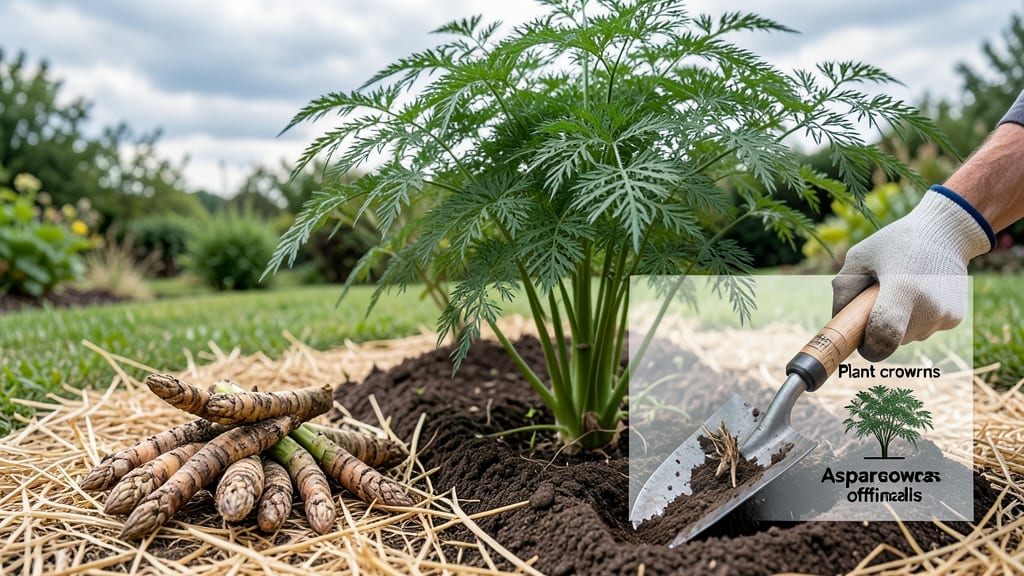
Planting asparagus in Utah requires timing it right to avoid frost damage or missed growth windows, especially with the state’s dramatic elevation shifts.
Utah’s dramatic elevation shifts and microclimates can turn asparagus planting into a guessing game—plant too early, and frost ruins your crop; too late, and you miss the narrow window for cold-hardy roots. Here’s the exact timeline and smart strategies to grow thriving asparagus in Utah’s high desert and mountain regions.
Whether you’re in USDA zones 5-7 or dealing with Salt Lake City’s sudden cold snaps, the key is planting 1-year-old crowns in early spring (March–April) or fall (September–October).
Below, I’ll break down the best planting windows by elevation, soil prep tips for Utah’s dry climate, and how to adjust for microclimates like Park City’s high desert or St. George’s heat.
Utah asparagus planting timeline by elevation Zone (with frost risk maps)
Utah’s three distinct elevation zones create wildly different planting conditions for asparagus. Low desert areas like St. George (Zone 8) enjoy long growing seasons, while high mountain regions near Park City (Zone 5-6) face early frosts.
Even Salt Lake City (Zone 6-7) experiences microclimates that shift planting windows by weeks. Understanding these zones helps you avoid frost damage or missed opportunities.
Asparagus crowns thrive when planted in early spring (March-April) or fall (September-October), but Utah’s elevation dictates exact timing. Low desert areas can plant as early as February, while high mountain zones must wait until late April or May.
Below, I’ve mapped out the ideal planting windows, frost risks, and microclimate adjustments for Utah’s most common gardening areas.
| Elevation Zone | USDA Zone | Avg. Last Frost | Spring Planting Window | Fall Planting Window | Microclimate Tips |
|---|---|---|---|---|---|
| Low Desert (St. George) | Zone 8 | Feb 15 - Mar 1 | Feb 1 - Mar 15 | Sep 15 - Oct 15 | Use shade cloth in summer; water deeply |
| Mid-Elevation (Salt Lake City) | Zone 6-7 | Apr 1 - Apr 15 | Mar 15 - Apr 10 | Sep 1 - Sep 30 | Watch for late frosts; use row covers |
| High Mountain (Park City) | Zone 5-6 | May 1 - May 15 | Apr 15 - May 10 | Aug 15 - Sep 15 | Plant near south-facing walls; extend season |
For low desert regions like St. George, the key is planting before March 15 to ensure roots establish before summer heat. I’ve seen gardeners in Washington County successfully plant as early as February 1 by using drip irrigation to keep soil moist during Utah’s dry springs.
The fall window (September-October) works well too, giving crowns time to root before winter.
In Salt Lake City’s mid-elevation zone (Zone 6-7), timing is critical. The average last frost is April 1-15, but microclimates near the Great Salt Lake can delay frost by weeks.
I recommend planting Mary Washington crowns between March 15-April 10 and using frost cloth for early starts. Fall planting should wrap up by September 30 to avoid early frosts.
High mountain areas (Zone 5-6) like Park City and Heber Valley demand patience. The last frost often arrives May 1-15, so I wait until mid-April to plant. For faster establishment, I’ve had success using black plastic mulch to warm the soil. Fall planting must occur by mid-September to avoid winter kill.
Utah’s unpredictable spring weather means you should always check soil temperatures before planting. Asparagus crowns need soil at 50°F (10°C) for 7-10 days before planting. In cold pockets like Cache Valley, I’ve used heat mats under raised beds to extend the season by 2-3 weeks.
One common mistake is planting too deep. In Utah’s alkaline soils, crowns should sit 2 inches below soil level with roots fanned out. Deeper planting can rot crowns, while shallow planting exposes them to frost. I always amend soil with compost to improve drainage in Utah’s clay-heavy soils.
For container growing in urban areas, choose dwarf varieties like 'Pacific 2000' and plant in 5-gallon pots with fast-draining mix. Containers warm up faster than ground soil, so you can plant 2-3 weeks earlier than in-ground plantings. Just ensure pots get full sun (6+ hours) and consistent moisture.
Remember: Utah’s elevation changes can shift planting windows by 6 weeks between St. George and Park City. Always check your local USU Extension office for updated frost data. With the right timing, you’ll enjoy homegrown asparagus for 15+ years—that’s the beauty of this perennial vegetable! 🌱
How to time asparagus planting for Utah’s unpredictable springs (pro tips)
Utah’s spring weather can shift from freezing nights to 70°F days in a single week, making asparagus planting a high-stakes game. The key is soil temperature—not air temperature—since asparagus crowns need 50-60°F soil to root properly.
I’ve learned the hard way that planting too early in Cache Valley’s cold pockets means frozen roots, while waiting too long cuts your harvest window.
For Cache County and other high-elevation areas, start with soil tests using a simple soil thermometer ($10 at garden centers). Check temperatures at 6-inch depth—the ideal range for planting is 50-60°F.
If your soil is colder, use row covers to create a microclimate that warms up faster. I’ve had success with floating row covers in early March, even when air temps dip below freezing.
Here’s my step-by-step guide to mastering Utah’s unpredictable springs:
- 1 Test soil temperature at 6-inch depth—aim for 50-60°F before planting. Use a soil thermometer for accuracy.
- 2 Adjust planting depth for elevation: 6-8 inches deep in low desert (St. George), 8-10 inches in mid-elevation (Salt Lake City), and 10-12 inches in Cache Valley.
- 3 Use row covers for early starts. Lay floating covers over planted crowns to trap heat and protect from late frosts (common until mid-April in northern Utah).
- 4 Plant in fall (September-October) for a head start. Crowns establish roots before winter, giving you an earlier spring harvest by 2-3 weeks.
- 5 Monitor frost dates via Almanac’s Utah frost calculator. In Cache County, average last frost is April 15, but microclimates (like Logan’s urban heat islands) can vary by 10 days.
One trick I swear by is planting asparagus crowns in containers first, then transplanting after soil warms. This gives you flexibility to move plants to sunnier spots if early springs bring unexpected cold snaps.
For Cache Valley’s cold pockets, I’ve also used black plastic mulch to raise soil temps by 5-10°F—game-changing for early starts.
Remember, asparagus is a perennial, so getting the timing right in Year 1 sets up 15+ years of harvests. If you’re in USDA Zone 5-7 (most of Utah), aim to plant by mid-April for a summer harvest.
But if you’re in Zone 8 (southern Utah), you can plant as late as early May—just watch for heat stress on young crowns.
Pro tip: Mark your planting date on a calendar and note the soil temp at planting. Over time, you’ll spot patterns in your microclimate—like how Cache Valley’s frost dates can shift 2 weeks earlier after a warm winter. Happy planting! 🌱