
Plants
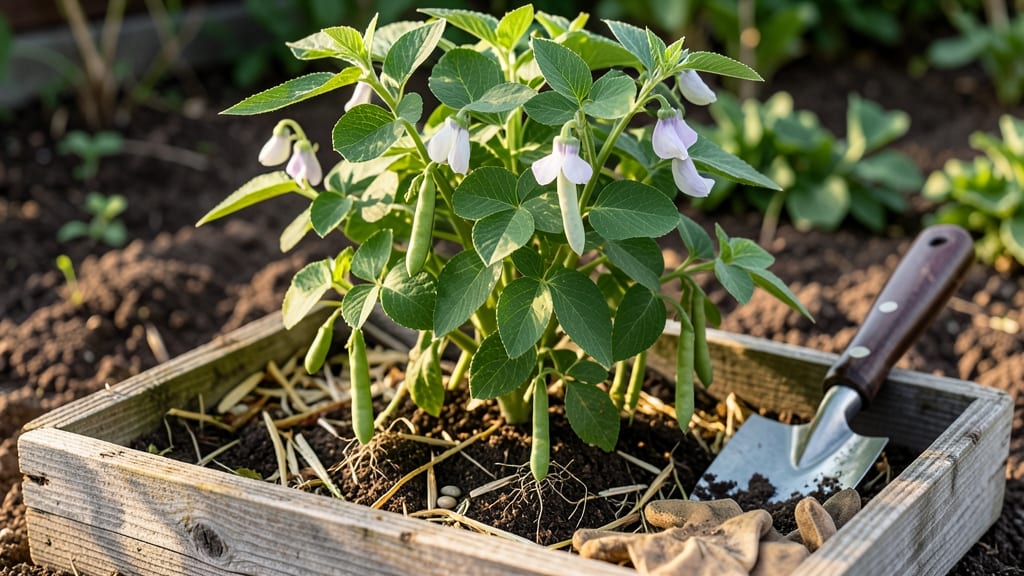
Planting beans in Florida at the right time means the difference between a bountiful harvest and wilting vines before they even set pods.
Florida’s long growing season and unpredictable weather can make planting beans tricky—but timing is everything for a bountiful harvest. Whether you’re in Zone 8a or 11, the wrong window means battling heat stress, fungal diseases, or even losing seedlings to sudden summer storms.
Most gardeners in the Sunshine State swear by two planting windows: spring (February to April) and fall (September to November). These months avoid the brutal heat of July and August while giving beans enough time to mature before the first frost—if there even is one in your region.
Below, I break down the exact months to plant by Florida’s three distinct climate zones, the heat-tolerant varieties that thrive here, and how to protect your crop from Florida’s infamous rainy season downpours.
Best months to plant beans in Florida by region (North vs. Central vs. South)
Florida’s three distinct regions—North, Central, and South—each have unique climate challenges for growing beans. From frost risks in the Panhandle to hurricane season in the Keys, timing your plantings correctly ensures healthy growth and a bountiful harvest.
Let’s break down the ideal planting windows for each region, including specific start dates for bush beans and pole beans.
In North Florida, where last frost dates can linger until early March, beans thrive in spring and fall.
Meanwhile, Central Florida enjoys a longer growing season, allowing for year-round plantings with careful attention to summer heat. South Florida’s tropical climate lets gardeners plant beans almost anytime, but hurricane season (June–November) demands extra precautions.
Here’s how to align your planting schedule with Florida’s climate zones to avoid heat stress, fungal diseases, and soil erosion from heavy rains. Whether you’re growing bush beans for quick harvests or pole beans for continuous production, these region-specific guidelines will help you succeed.
For North Florida, focus on spring plantings (February–March) when soil temperatures reach 60°F. This region’s last frost dates can extend into March, so always check local forecasts. Fall plantings (September–October) work well too, as cooler temperatures reduce stress on plants.
Avoid planting after mid-April, as summer heat can stunt growth.
In Central Florida, you can push the envelope slightly earlier—January plantings are possible if you use row covers to protect young seedlings.
The key here is to space out plantings every 2–3 weeks for a continuous harvest. Summer plantings (August–September) require extra care, like mulching to retain moisture and drip irrigation to avoid wetting foliage.
South Florida gardeners have the most flexibility, but hurricane season (June–November) means avoiding plantings during this time. Instead, focus on winter plantings (December–February) and early fall (September–October). Use raised beds or containers to improve drainage and prevent waterlogging during heavy rains.
No matter your region, always test your soil before planting—beans prefer slightly acidic to neutral soil (pH 6.0–7.0). Amend with compost or aged manure to improve fertility. For pole beans, install trellises or stakes at planting time to support their vines as they grow.
Pro tip: Succession planting every 2 weeks ensures a steady supply of fresh beans. In North Florida, this means planting new batches every 3–4 weeks from February to April. In South Florida, you can extend this to year-round with careful planning.
Remember, beans are heat-sensitive, so always plant when daytime temperatures are below 85°F. If you must plant in summer, use shade cloth (30–50% shade) to protect seedlings until they establish roots.
With the right timing, you’ll enjoy homegrown beans from spring through fall—no matter where you garden in Florida!
Heat-tolerant bean varieties that thrive in Florida’s summer heat
Florida’s summer heat can turn your bean plants into crispy failures—but the right varieties beat the heat like champions. Southern Peas (cowpeas), Black-Eyed Peas, and Yard-Long Beans are just a few heat-resistant stars that flourish when temperatures soar.
These powerhouses don’t just survive; they thrive in 90°F+ conditions with minimal fuss, making them perfect for Florida’s long, sweltering summers.
For summer planting success, focus on soil warmth and drought tolerance. These varieties prefer well-draining soil with a pH between 6.0 and 6.8, and they germinate best when soil temperatures hit 70°F or higher.
A quick soil test and a little compost can work wonders for getting your beans off to a strong start—especially in Florida’s heavy clay soils.
Top 5 Heat-Tolerant Bean Varieties for Florida
- Purple Hull Cowpeas – Drought-resistant and heat-loving, perfect for summer harvests. Pods turn purple when cooked, adding a pop of color to dishes.
- Black-Eyed Peas (Crowder) – Thrives in humid heat and resists fungal diseases. Ideal for late summer plantings before hurricane season.
- Yard-Long Beans (Chinese Long Beans) – Heat-tolerant vining beans that produce long, slender pods. Perfect for trellises in full sun.
- Scarlet Runner Beans – Beautiful red flowers and heat-resistant pods. Great for fall harvests and attracting pollinators.
- California Black-Eyed Peas – Compact and drought-tolerant, producing sweet, tender pods even in high humidity.
To kickstart germination in Florida’s heat, soak seeds overnight in warm water before planting. This trick speeds up sprouting and helps seeds bypass the dormancy caused by dry conditions.
Plant seeds 1 inch deep and space them 3-4 inches apart for bush varieties, or use a trellis for vining types to save space and improve air circulation.
Once your beans are up, mulch heavily to retain moisture and cool the soil. Straw or shredded leaves work wonders in Florida’s intense sun, keeping roots consistently hydrated without the risk of overwatering. Avoid overhead watering during peak heat to prevent leaf scorch and fungal issues like powdery mildew.
Harvest begins as early as 50 days for some varieties, but don’t wait too long—overripe pods toughen quickly in Florida’s heat. Pick regularly to encourage more production, and watch for pods that are firm but slightly soft to the touch.
With the right variety and care, you’ll enjoy a steady harvest well into fall, even as temperatures dip.
Pro tip: Save seeds from your best-performing plants to create a Florida-adapted bean strain over time. This ensures future generations will be even more heat-resistant and productive for your local climate. Happy planting! 🌱