
Plants
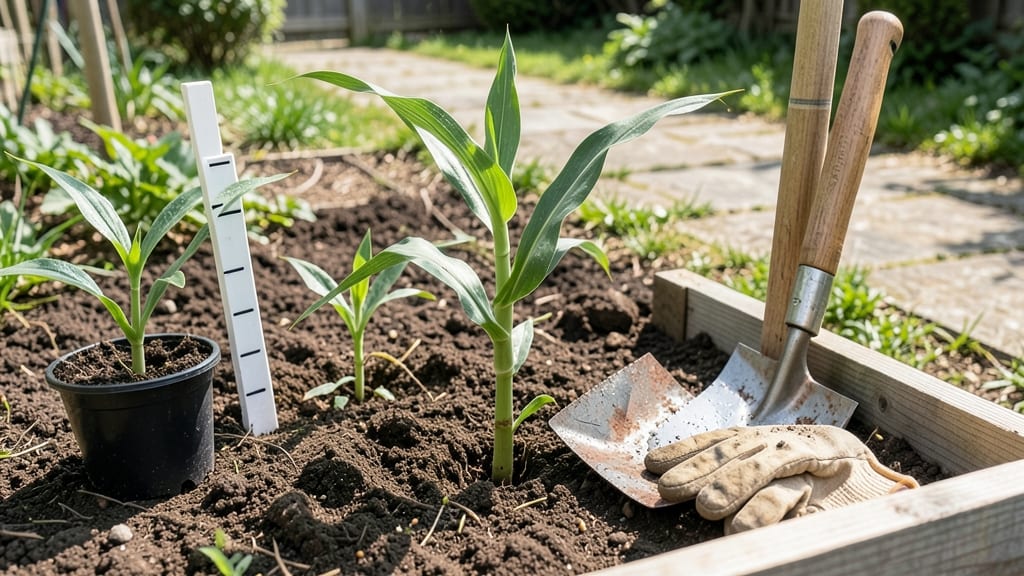
Planting corn in South Florida at the right time means the difference between a bumper crop and a sad, stunted 🌽—and the window is narrower than you’d think.
Here’s the catch: South Florida’s year-round warmth lets you grow corn almost anytime, but heat-loving varieties bolt in a flash if you plant too early. Miss the sweet spot, and you’ll end up with tough, woody kernels instead of sweet, juicy ears.
The key is knowing when to start for spring’s mild months or fall’s cooler stretch.
Most gardeners in zones 10a-11 swear by early spring (February-March) or late summer (August-September) for peak harvests, but there’s a trick to stretching the season even further—like using shade cloth to slow bolting or staggering plantings every two weeks. I’ve tried both, and the results are night and day.
Below, I’ll break down the exact months to plant for maximum yield, the best heat-tolerant varieties for your climate, and how to avoid the three mistakes that wreck corn crops here. Ready to grow corn that actually tastes like corn?
Best planting times for corn in South Florida by season (with heat-tolerant varieties)
South Florida’s humid subtropical climate (USDA zones 10a-11) lets you grow corn year-round, but heat tolerance is key. Without proper timing, your plants may bolt prematurely or struggle in 90°F+ temperatures. The best windows focus on soil warmth and rainfall patterns to avoid stress.
Unlike northern regions, South Florida has no frost risk, so planting revolves around temperature thresholds and humidity management. Spring and summer are ideal, but fall offers a cooler alternative if you use heat-tolerant varieties. Let’s break down the optimal planting months and top varieties for your region.
⚠️ Critical Tip: Always check soil temperature—corn needs 60°F+ to germinate. Use a soil thermometer to avoid wasted seeds in cooler-than-expected spells.
Spring planting in February-April gives you cooler soil temps and longer daylight, ideal for early-maturing varieties like 'Golden Bantam'. Aim to harvest before June’s heat peaks, when bolting risk increases.
Start seeds indoors in late January if you want a head start, but direct sow outdoors once soil hits 60°F.
Summer planting (June-August) is riskier due to consistent 90°F+ days, but heat-tolerant varieties like 'Silver Queen' can handle it. Plant in partial shade (30% shade cloth) during peak afternoon sun to prevent heat stress. Water deeply twice daily—morning and late afternoon—to keep roots cool.
Fall planting (August-October) offers a second harvest window before winter rains arrive. Choose drought-tolerant varieties like 'Ambrosia', which can handle slightly drier soil as temps drop. Avoid planting after mid-October, as shorter daylight slows growth and reduces yields.
For year-round success, focus on succession planting—sow new seeds every 2-3 weeks during peak seasons. This ensures a continuous harvest and prevents overcrowding. Use raised beds with well-draining soil to improve airflow and reduce fungal risks in South Florida’s humid climate.
💡 Pro Tip: Mix compost into soil before planting to boost organic matter. Corn loves nutrient-rich soil, and South Florida’s sandy soils often need amendments like aged manure or worm castings for best results.
Watch for silk emergence—this signals ear development. If silks dry out before pollination completes, you’ll get underdeveloped ears. Increase watering to 1.5 inches per week during this critical 10-day window to support kernel fill.
Finally, rotate planting locations yearly to prevent soil depletion and pest buildup. Corn is heavy-feeding, so follow up with a balanced fertilizer (10-10-10) 4-6 weeks after emergence to sustain growth through harvest.
How to extend corn’s growing season in South Florida’s heat (succession planting & shade strategies)
South Florida’s intense summer heat can cause corn to bolt prematurely, turning sweet kernels into tough, starchy ones. The key to year-round harvests lies in strategic succession planting and smart shade management.
By staggering plantings and providing temporary relief from direct sun, you can keep your corn productive even during the hottest months.
Corn thrives in 60-85°F soil temperatures, but South Florida’s summer can push temps well above that. Without intervention, your plants may flower too quickly, reducing ear size and sweetness.
The solution? A combination of shade cloth, drip irrigation, and staggered sowing every 2-3 weeks to ensure a continuous supply of fresh ears.
- 🌱 Start succession plantings every 2-3 weeks from February to October for non-stop harvests. Example: Plant first batch in early Feb, next in mid-March, then April, and so on.
- 🌡️ Use 30-50% shade cloth during peak summer months (June-August) to lower soil temps by 10-15°F. Secure cloth 3-4 feet above plants to allow airflow.
- 💧 Install drip irrigation on a timer to deliver 1-1.5 inches of water weekly. Water early morning to prevent fungal diseases like corn smut.
- 🌾 Choose heat-tolerant varieties like 'Golden Bantam' or 'Temptation', which handle 90°F+ temps better than standard sweet corn. These mature in 60-75 days, fitting into shorter summer windows.
- 🌿 Mulch with straw or grass clippings to retain moisture and cool roots. Apply a 3-inch layer after seedlings emerge, keeping it 6 inches away from stalks to avoid rot.
For fall harvests, begin planting in late August to take advantage of cooling temperatures. By September-October, days grow shorter, and heat stress decreases, allowing corn to mature properly. Use row covers at night in September to protect young plants from unseasonal heat spikes.
Monitor your corn’s silk color as a key indicator of stress. If silks turn brown too quickly (within 24 hours of appearing), your plants are likely under heat stress.
This is your cue to increase shade or water more frequently. Healthy silks should stay moist and golden-brown for 3-5 days before drying completely.
Don’t forget to rotate planting locations yearly to prevent soil-borne diseases like fusarium wilt, which thrives in South Florida’s humid climate. Pair corn with beans or squash in a three-sister garden to improve soil health and deter pests naturally.
With these strategies, you’ll enjoy sweet, homegrown corn from spring through fall, proving that South Florida’s heat isn’t a barrier—it’s just a challenge to outsmart. Happy planting! 🌽