
Plants
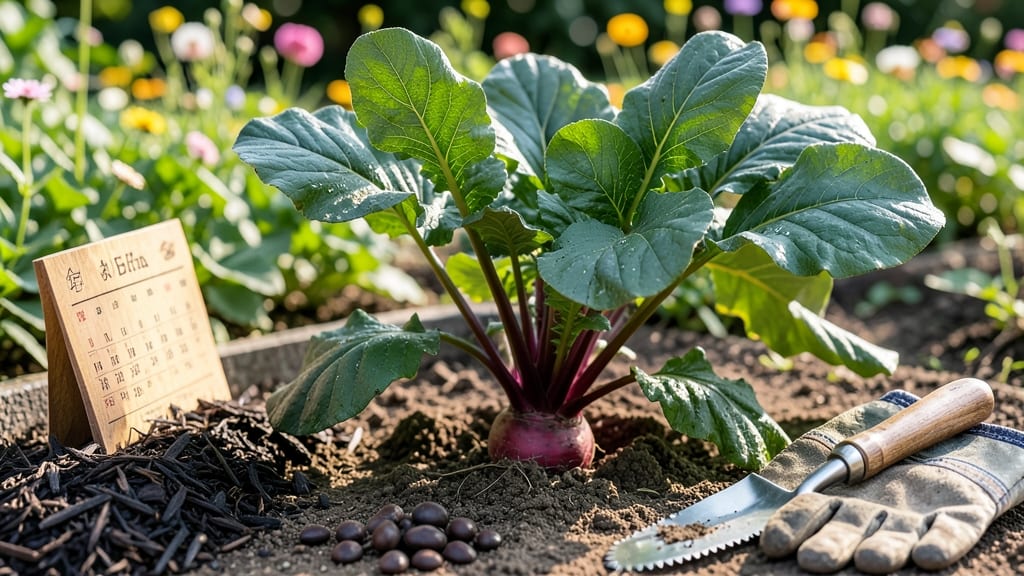
Planting beets in South Carolina requires precise timing to avoid frost damage and summer bolting—aim for early spring or late summer for the best results.
If you’ve ever watched your 🍠 seedlings bolt in the heat or shrivel under late frost, you know timing is critical. South Carolina’s Zone 8A/8B climate means frost-free deadlines shift yearly, but the general rule is to start seeds in March-April for spring harvests or August-September for fall crops.
Why does this matter? Beets thrive in cool weather but struggle when temperatures climb past 75°F, leading to bitter roots or premature flowering. Below, I’ll break down the exact frost dates, soil prep tips, and how to extend your growing season for continuous harvests.
You’ll learn how to adjust planting schedules based on your microclimate, choose the best beet varieties for SC’s heat, and avoid common mistakes that ruin yields—so you can enjoy fresh, sweet beets from May through November.
South Carolina beet planting calendar by zone 8A/8B (with frost dates)
Beets thrive in South Carolina’s mild winters and long growing season, but timing is critical to avoid frost damage or summer bolting. Zone 8A (cooler) and Zone 8B (warmer) have slightly different frost dates, so I’ll break down the exact windows for both.
For Zone 8A, the last frost date typically falls between February 15–March 15, while Zone 8B sees it March 1–15. These dates mark your starting point for spring planting.
Fall planting is equally important for a continuous harvest. In Zone 8A, aim to plant August 1–September 15, while Zone 8B gardeners can extend this window until September 30.
Beets need 50–70 days to mature, so time your fall plantings to harvest before the first frost in mid-November. This ensures sweet, tender roots instead of woody or bolted greens.
Soil temperature is another key factor. Beet seeds germinate best when soil reaches 50°F (10°C). In Zone 8A, this usually happens by mid-March, while Zone 8B can start as early as late February. Use a soil thermometer to confirm before sowing—cold soil delays germination and invites pests.
| Planting Window | Zone 8A (Cooler) | Zone 8B (Warmer) | Soil Temp Threshold | Notes |
|---|---|---|---|---|
| Spring Planting | Feb 20–Mar 15 | Feb 15–Mar 1 | 50°F (10°C) | Harvest May–June |
| Fall Planting | Aug 1–Sep 15 | Aug 1–Sep 30 | 60°F (15°C) | Harvest Oct–Nov |
| Succession Planting | Every 2 weeks | Every 2 weeks | 50–60°F (10–15°C) | Extend harvest 6+ weeks |
| Last Frost Date | Feb 15–Mar 15 | Mar 1–15 | N/A | Use row covers for early starts |
| First Frost Date | Mid-November | Mid-November | N/A | Harvest before frost |
For succession planting, sow new seeds every 2 weeks after your initial planting to ensure a steady supply. This works year-round in Zone 8B but may stop in Zone 8A by late October.
In my garden, I’ve found that shade cloth helps prevent bolting during summer’s peak heat (July–August), buying time for fall crops.
South Carolina’s humid climate means beets need well-draining soil to avoid rot. Amend clay soils with compost or sand, and mulch heavily to retain moisture. I’ve had the best success with raised beds, which warm up faster in spring and drain better than in-ground plots.
If you’re growing beets for their greens and roots, prioritize bolting-resistant varieties like ‘Detroit Dark Red’ or ‘Golden’. These hold up better in Zone 8B’s heat than standard types.
For continuous harvests, interplant with fast-maturing crops like lettuce or radishes—they won’t compete for space and give you greens while beets
How to avoid common beet planting mistakes in SC’s climate
South Carolina’s humid summers and sandy soils can turn beet gardening into a frustrating challenge if you don’t plan ahead. Bolting from heat stress, soil-borne diseases like leaf spot, and improper planting depths are the top mistakes I’ve seen ruin harvests here. Let’s fix these before they happen.
First, the heat is your biggest enemy. Beets bolt—sending up flower stalks—when daytime temps hit 75°F consistently. In SC’s Zone 8A/8B, that means summer planting after June 15th is risky unless you choose bolt-resistant varieties.
I’ve learned the hard way that shade cloth (30-50%) can buy you 2-3 extra weeks of harvestable roots.
⚠️ callout-warning ⚠️
🚨 SC-Specific Beet Planting Warning
Soil temperature matters more than air temp: Beets need 50-60°F soil to germinate. In SC’s sandy soils, this means waiting until March 15th for spring plantings—earlier sowings rot in cold, wet ground. For fall crops, aim for August 1st to avoid bolting before first frost.
Disease alert: South Carolina’s humidity breeds leaf spot and beet curly top virus. Rotate crops with alliums (onions, garlic) to break disease cycles. Never plant beets where tomatoes or peppers grew last year.
Next, let’s talk soil. SC’s coastal plains have sandy soils that dry out fast, while Piedmont areas often struggle with clay that stays soggy. For sandy soil, plant seeds ½-inch deep and mulch with 2 inches of straw to retain moisture.
In clay, loosen soil to 8 inches deep and mix in compost to improve drainage—this prevents the woody cores that make beets tough and inedible.
Watering wrong is another silent killer. Beets need consistent moisture, but South Carolina’s sudden rains can drown them. Water deeply every 2-3 days in dry spells, aiming for 1 inch per week.
Always water at soil level, not overhead, to prevent fungal diseases. I’ve seen entire rows collapse from powdery mildew after nighttime watering during humid August afternoons.
Finally, don’t overlook thinning. Crowded seedlings compete for nutrients and grow small, misshapen roots. Thin to 3-4 inches apart when seedlings have 2 true leaves, and use the thinnings in salads—they’re delicious!
In SC’s heat, I’ve found that succession planting every 2 weeks from March to June keeps a steady harvest before bolting sets in.
With these adjustments, you’ll avoid the three biggest SC beet-growing mistakes: heat-induced bolting, disease-prone conditions, and poor soil prep. Try these methods this season—I promise your harvest will thank you. 🌱