
Plants
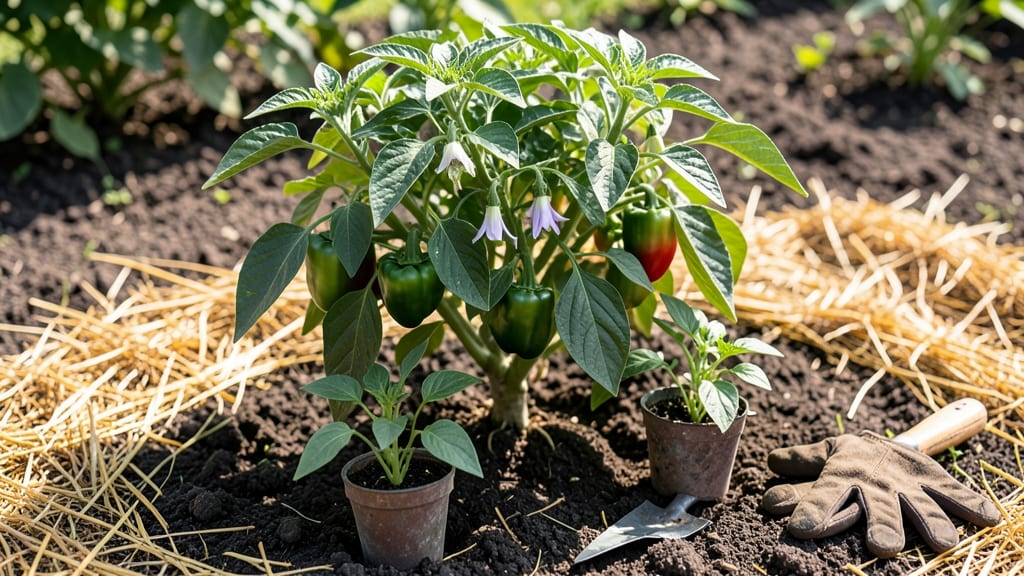
Planting bell peppers 🌶️ in California depends on soil temperature and your region—coastal gardeners can start as early as late February, while inland areas should wait until March or April.
California’s diverse climate means bell pepper success hinges on timing—plant too early and risk frost, too late and miss peak harvests. Master these soil temperature secrets to get your peppers sprouting in weeks, not months.
Soil needs to stay above 60°F for germination, but the sweet spot for fast growth is 70-75°F. Coastal areas hit this earlier, while inland zones may need a little help from black plastic mulch or row covers.
Below, I’ll break down the exact planting windows by region, how to test soil temperature, and the fastest tricks to get your peppers off to a running start—no more waiting months for harvests!
Optimal bell pepper planting dates by California region (soil temp guide)
California’s climate ranges from frost-free coastal areas to chilly inland valleys, making bell pepper planting dates a critical factor for success. Unlike frost-sensitive tomatoes, peppers need consistent soil temperatures above 60°F (15°C) to germinate and thrive.
Plant too early and risk stunted growth; too late and miss peak harvests. Let’s break down the perfect timing by region, focusing on soil temperature thresholds that ensure strong starts.
Northern California—think San Francisco Bay Area, Sacramento Valley, and Redding—has cooler springs and later last-frost dates. Southern California, including Los Angeles, San Diego, and Riverside, enjoys warmer soils earlier. Even within these broad regions, microclimates (like urban heat islands or shaded gardens) can shift planting windows by weeks.
Always check your local USDA zone (9a-11) and average frost dates to fine-tune your schedule.
| Region | Last Frost Date | Ideal Soil Temp for Germination (°F) | Direct Sow Window | Transplant Window | Harvest Timeframe |
|---|---|---|---|---|---|
| Northern CA (Bay Area, Sacramento, Redding) | Mid-April to May 15 | 65-75°F (18-24°C) | Late May - Early June | April 15 - May 15 | July - October |
| Central CA (San Joaquin Valley, Fresno) | March 1 - April 15 | 70-80°F (21-27°C) | April 1 - May 1 | March 15 - April 15 | June - September |
| Southern CA (LA, San Diego, Riverside) | None (frost-free) | 60-70°F (15-21°C) | February - March | January - February | April - November |
| Coastal CA (Santa Barbara, Monterey) | Mid-February to March 15 | 62-72°F (17-22°C) | Late March - April | February 15 - March 15 | May - October |
For Northern California gardeners, aim to transplant seedlings when soil hits 65-75°F (18-24°C). Use a soil thermometer to confirm—cold soil delays germination by weeks.
Inland areas like the San Joaquin Valley can direct-sow as early as April, but coastal regions should wait until late May to avoid chilly ocean breezes that stunt growth. Pro tip: Black plastic mulch raises soil temps by 5-10°F, letting you plant 2-3 weeks earlier.
Southern California’s frost-free zones (like San Diego) let you start seeds indoors in January and transplant by February. However, even here, soil temperature matters: peppers germinate poorly below 60°F (15°C).
If your garden sits in a microclimate (e.g., a shaded corner), extend your season by using row covers or choosing faster-maturing varieties like 'Early California Wonder', which ripens in 60 days.
Microclimates can shift your planting window by weeks. For example, a sunny urban garden in LA might be ready for peppers by February, while a shaded backyard in Pasadena could need to wait until March.
Test your soil’s warmth by pressing your hand into the ground—if it feels cooler than your wrist, delay planting. For <
How to test and adjust soil temperature for faster bell pepper germination
Bell peppers are heat-loving plants that need consistent soil temperatures between 70-75°F to germinate properly. In California’s cool spring mornings, even sunny days can leave soil too cold for seeds to sprout.
I’ve learned that soil temp matters more than air temp—and a simple $10 probe can save weeks of waiting.
Cold soil slows germination, leaving seeds vulnerable to rot or mold. My fastest pepper sprouts came from pre-warmed soil beds using black plastic mulch. Let me show you how to test your soil and adjust it to hit that perfect germination range every time.
Grab a $10 digital probe (like the Thermopro TP12) from your local garden center. These read soil temps 2-4 inches deep—right where pepper seeds need warmth.
Check temps between 9-11 AM when soil is warmest. If it’s below 60°F, your seeds will struggle. 70-75°F is ideal for 90%+ germination in 7-14 days.
Lay down black plastic mulch 2 weeks before planting. It raises soil temps by 10-15°F by trapping sunlight. Cut X-shaped slits for seed placement.
For early spring plantings, drape floating row covers over beds. They add 5-10°F of warmth while letting light through. Remove after germination.
If growing in pots or raised beds, use seedling heat mats ($20-$30). They keep soil consistently warm and cut germination time by half.
Check soil temps every morning until sprouts appear. If temps drop below 65°F, add straw mulch to retain heat overnight.
Pro tip: In coastal California, I’ve had success planting as early as late February by combining black plastic with row covers. For inland areas, wait until mid-March when soil naturally warms faster.
Once your peppers sprout, keep soil temps between 75-85°F for fastest growth. A little extra warmth at the start means bigger harvests all season long—no more waiting months for peppers to mature!