
Plants
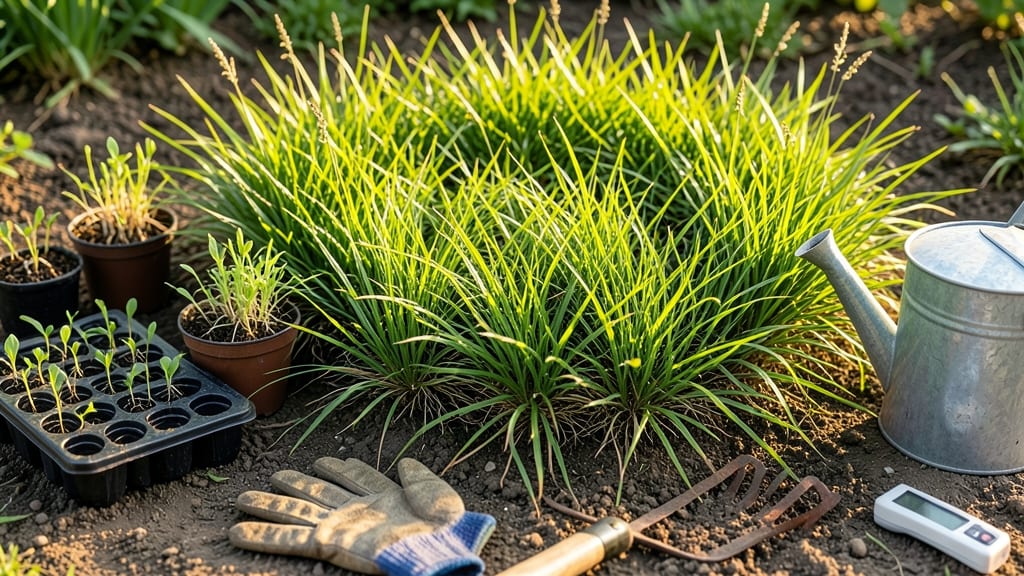
Planting Bermuda grass 🌱 in California at the right time means the difference between a lush, drought-resistant lawn and months of frustration.
Picture this: you’ve prepped the soil, ordered the seed, and then—wait—your neighbor’s lawn is already greener by June. That’s because timing isn’t just about the calendar; it’s about soil temperature, frost-free deadlines, and whether you’re coastal or inland.
Inland areas like the Central Valley can plant as early as late March, while coastal zones might wait until May to avoid summer heat stress. I’ll break down the exact windows by region, plus the soil tests and watering tricks that keep Bermuda grass thriving in California’s extremes.
By the end, you’ll know not just when to plant, but how to give your lawn the fastest start—and avoid the 3 common mistakes that kill new growth before it begins.
California’s Bermuda grass planting zones: when to plant by region
California’s diverse climate—from coastal fog to desert heat—means Bermuda grass planting times vary dramatically by region. In Southern California, coastal areas like San Diego and Santa Barbara enjoy year-round growing conditions, while inland Los Angeles and Riverside face hotter summers and cooler winters.
Meanwhile, the Central Valley and desert regions like Palm Springs demand precise timing to avoid heat stress or winter dormancy. Let’s break down the optimal planting windows based on your microclimate.
For all regions, the golden rule is to plant when soil temperatures hit 65°F (18°C)—this triggers root growth. Use a soil thermometer to check; most California areas reach this mark between March and May.
Coastal zones may start as early as February, while desert areas might wait until late April. Frost risk is minimal in most of California, but inland valleys can see light frosts in December or January, which Bermuda grass tolerates but won’t thrive through.
Here’s how to align your planting with California’s three key regions—coastal, inland, and desert—plus the soil temperature triggers and frost-free deadlines that dictate success.
| Region | Optimal Planting Window | Soil Temp Trigger | Frost-Free Deadline | Key Notes |
|---|---|---|---|---|
| Coastal (San Diego, Santa Barbara) | Year-round (best: Feb–May) | 65°F (18°C) | None (frost-free) | Humidity slows germination; use shade cloth if planting in summer. |
| Inland (LA, Riverside, Central Valley) | March–June | 65°F (18°C) | December 15 (light frost risk) | Water deeply post-planting to combat summer heat stress. |
| Desert (Palm Springs, Coachella) | April–May (avoid summer) | 70°F (21°C) minimum | None (extreme heat dormant) | Plant in shade cloth for first 2 weeks to reduce shock. |
In coastal California, where temperatures stay mild year-round, you can plant Bermuda grass almost anytime—but February to May is ideal. The cooler, foggy conditions slow germination, so use a soil warmer or shade cloth if planting in summer.
Coastal areas like San Diego rarely see frost, but humidity can encourage fungal growth, so ensure well-draining soil and avoid overhead watering.
For inland regions like the Central Valley or Los Angeles Basin, aim for March to June planting. These areas experience hotter summers and cooler winters, with occasional light frosts in December.
Bermuda grass can tolerate brief frosts but grows slowly in cold soil. Wait until the last frost date (usually around December 15) has passed and soil temps are consistently above 65°F.
The desert regions of Southern California, including Palm Springs and Coachella Valley, present unique challenges. Here, extreme heat can stress young grass, so plant in April or May when temperatures are rising but not yet scorching.
Desert soils often require extra irrigation during establishment, and using shade cloth for the first 2 weeks can improve survival rates.
Regardless of your location, water deeply immediately after planting to encourage root growth. Bermuda grass is drought-tolerant once established, but young plants need consistent moisture to develop strong roots.
In coastal areas, water every 3–4 days; in inland zones, increase to daily watering until roots are 4–6 inches deep.
Pro tip: Test your soil pH before planting—Bermuda grass thrives in slightly acidic to neutral soil (6.0–7.0). If your soil is alkaline (common in California), amend it with sulfur or peat moss to improve nutrient uptake.
This small step can mean the difference between weak, patchy growth and a thick, green lawn.
Finally, remember that Bermuda grass goes dormant in extreme heat or cold. Inland and desert areas may see summer dormancy if temperatures exceed 100°F (38°C) for prolonged periods. This isn’t a failure—it’s natural! Focus on re-establishing growth in fall with light fertilization and proper watering.
By aligning your planting with your region’s soil temperature triggers and microclimate deadlines, you’ll give your Bermuda grass the best chance to thrive—whether you’re battling coastal humidity, inland heat, or desert dryness. 🌱
How to prepare your soil and lawn for Bermuda grass success
Before planting Bermuda grass in California, proper soil preparation is half the battle. This warm-season grass thrives in well-draining, nutrient-rich soil with a pH between 6.0 and 7.0. Without the right foundation, even the best timing can lead to stunted growth or poor drought resistance.
Let’s break down the essential steps to create the perfect canvas for your lawn.
Start by testing your soil pH and composition. California’s soils vary wildly—from clay-heavy inland areas to sandy coastal regions. A simple home test kit or lab analysis will reveal whether you need to adjust acidity or alkalinity.
For most Bermuda grass varieties, aim for a slightly acidic to neutral pH—this ensures nutrients like nitrogen and phosphorus are available for root development.
Here’s your step-by-step preparation checklist to get your lawn ready for Bermuda grass:
Use a soil test kit or send a sample to a local extension office. California soils often need amendments like lime (to raise pH) or sulfur (to lower pH). Aim for a pH of 6.0–7.0 for optimal Bermuda grass growth.
Mix in 2–4 inches of compost or well-rotted manure to improve drainage and nutrient retention. For clay soils, add sand or perlite to prevent compaction. In sandy soils, incorporate peat moss or coconut coir to hold moisture.
Bermuda grass needs 1–1.5 inches of water per week during establishment. Install a drip irrigation system or soaker hoses to deliver water deeply and evenly. Avoid overhead sprinklers, which can waste water and promote fungal diseases in California’s humid coastal areas.
Use a balanced fertilizer (10-10-10 or 16-4-8) to provide essential nutrients before planting. Spread 1 lb of fertilizer per 100 sq ft and water it in thoroughly. This jumpstarts root growth, especially in California’s nutrient-poor soils.
Clear existing weeds, rocks, and dead plant matter from the area. Bermuda grass competes poorly with weeds, so a clean slate ensures faster establishment. Use a broadleaf herbicide if needed, but avoid pre-emergent herbicides that can harm new grass.
Rake the area to create a smooth, even surface. Fill low spots with amended soil and level high spots. A well-leveled lawn prevents water pooling, which can lead to root rot in Bermuda grass.
Once your soil is prepped, you’re ready to plant Bermuda grass during its optimal window (March–September in most of California). The key to success lies in these pre-planting steps, which ensure your grass gets the best possible start—especially in California’s drought-prone and varied climates.
With the right foundation, your lawn will establish faster and handle summer heat and water restrictions like a pro.
Pro tip: After planting, keep the soil consistently moist but not soggy. Mulch lightly with straw or wood chips to retain moisture and suppress weeds—this is especially helpful in coastal areas with frequent fog.