
Plants
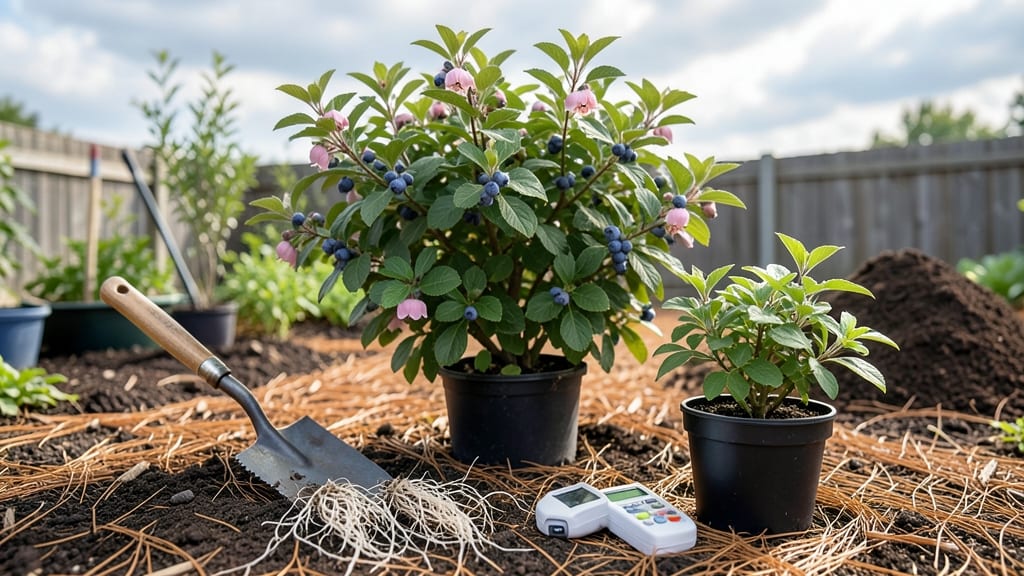
To plant blueberries in Seattle, aim for late winter to early spring—between February and April—when the soil is workable but frost risks have passed.
Seattle’s mild yet unpredictable climate can make blueberry planting tricky—get the timing wrong, and your bushes may struggle to thrive. But with the right schedule, you’ll ensure sweet, abundant harvests for years to come.
In Zone 8a, the key is planting after the last frost (around March 15) but before summer heat sets in. This window gives roots time to establish before the rainy season kicks in.
Below, I’ll cover the best months for bare-root vs. potted plants, soil prep tips for acidic conditions, and how to adjust for Seattle’s coastal microclimates—so you can grow thriving bushes with minimal fuss.
Best planting months for blueberries in Seattle’s climate zones
Seattle’s USDA Zone 8a climate offers a narrow window for planting blueberries, but timing is everything. The Pacific Northwest’s rainy winters and cool summers demand precise scheduling to ensure your bushes establish strong roots before dormancy.
Whether you choose northern highbush or southern highbush varieties, the right month can mean the difference between thriving plants and struggling starts.
Most gardeners in Seattle opt for early spring planting (March-April) when soil temperatures rise above 45°F (7°C). This aligns with the last average frost date of March 15, giving young plants time to harden off before summer heat.
However, fall planting (October-November) works for bare-root plants if done at least 6 weeks before frost, allowing roots to establish before winter dormancy.
Seattle’s microclimates add complexity—coastal areas stay cooler and wetter longer, while inland zones warm up faster. For example, Ballard or West Seattle may need to wait until mid-April, while Redmond or Bellevue can plant as early as late February.
Always check your specific last frost date and adjust accordingly.
🌱 Seattle Blueberry Planting Comparison
| Planting Window | Best For | Soil Prep | Dormancy Prep |
|---|---|---|---|
| Early Spring (March-April) | Northern highbush (Duke, Legacy) | Amend with peat moss, pH 4.5-5.5 | Mulch heavily with pine needles |
| Late Fall (October-November) | Southern highbush (Bluecrop) | Add compost + sulfur for acidity | Water deeply before frost |
| Coastal Areas (April-May) | All varieties (delayed start) | Raise beds for drainage | Use black plastic mulch |
| Inland Zones (February-March) | Early bloomers (Legacy) | Test pH before planting | Prune lightly in early spring |
🌿 Note: Adjust for container planting—soil warms faster in pots.
For northern highbush varieties like Duke or Legacy, spring planting is ideal because they require chilling hours to break dormancy.
Plant bare-root plants as soon as soil is workable (usually late February to March), then mulch heavily to retain moisture. Potted plants can go in slightly later (March-April) since their roots won’t dry out as quickly.
If you prefer fall planting, focus on southern highbush types like Bluecrop, which handle Seattle’s mild winters better. Plant 6-8 weeks before frost (typically October-November) and water thoroughly to encourage root growth before dormancy. Avoid fall planting in waterlogged soils, which can rot roots before winter.
Seattle’s acidic soil needs (pH 4.5-5.5) are non-negotiable for blueberries. Before planting, amend your soil with peat moss or sulfur and test pH levels.
If your garden soil is too alkaline, consider container growing with acidic potting mix. Well-draining soil is critical—Seattle’s heavy clay can suffocate roots, so raised beds or mounded soil help.
Spacing matters too: Northern highbush varieties need 5-6 feet apart, while southern highbush can tolerate 4-5 feet. Plant in full sun (6+ hours daily), even if Seattle’s summers are cloudy—blueberries need maximum light for fruit production.
If your yard is shady, choose dwarf varieties like Top Hat for smaller spaces.
Pro tip: Mulch with pine needles (free from local gardens!) to maintain acidity and suppress weeds. Avoid fresh wood chips, which can rob soil of nitrogen. In coastal areas, use black plastic mulch to warm soil faster and reduce fungal risks from excess moisture.
Finally, prune in late winter (February-March) to shape bushes and remove dead wood before new growth starts. This encourages fruit-bearing canes and improves airflow, reducing disease risk in Seattle’s damp climate. With the right timing and care, your blueberries will thrive year after year! 🫐
How to time your blueberry planting for Seattle’s rainy season
Seattle’s wet winters and coastal climate create unique challenges for blueberry planting. Unlike drier regions, waterlogged soil and fungal diseases like botrytis can devastate young plants if you plant at the wrong time.
The key is balancing moisture needs with dormancy periods—and knowing when to adjust for Seattle’s unpredictable rain patterns.
Most gardeners rush to plant in early spring, but that’s often too wet for blueberries. Instead, aim for late winter to early spring (February–March) when soil is workable but not soggy. This timing lets roots establish before the heavy spring rains arrive.
For container gardening—a great option in Seattle’s acidic, clay-heavy soils—you can even plant as late as April or early May with proper drainage.
⚠️ callout warning ⚠️
- Planting in fall: Seattle’s mild winters can trick plants into growing when they should be dormant, leading to weak roots.
- Ignoring soil drainage: Clay soils hold too much water—amend with compost or sand to prevent root rot.
- Skipping mulch: Without 3–4 inches of mulch, fungal spores thrive in the damp air.
🌱 Pro Tip: Test soil pH before planting—blueberries need acidic soil (4.5–5.5). Seattle’s native soils are often too alkaline!
To protect your blueberries from Seattle’s excessive rainfall, use raised beds or containers with drainage holes. If planting in-ground, choose a slightly elevated spot to prevent water pooling. Mulch heavily with pine bark or wood chips—this keeps soil moist but not waterlogged while suppressing weeds.
For container plants, ensure pots are at least 18 inches deep with well-draining mix.
Another Seattle-specific trick? Plant in late winter when rainfall decreases slightly (typically February–March). This gives roots time to establish before the spring deluge.
If you miss this window, container planting in April is your best bet—just move pots to a sheltered spot during heavy downpours. Evergreen varieties like ‘Duke’ handle Seattle’s climate best, but all types benefit from row covers in wet seasons.
Don’t forget to prune old canes in late winter before new growth starts. This improves air circulation, reducing fungal risks in Seattle’s humid air. After planting, water deeply but infrequently—blueberries hate soggy roots.
Let the top 1–2 inches of soil dry between waterings to mimic natural Pacific Northwest droughts.
With these adjustments, your blueberries will thrive despite Seattle’s rainy, mild climate. Start small with 1–2 plants in containers if you’re unsure, then expand as you master the timing. Soon, you’ll be harvesting juicy, homegrown blueberries year after year—rain or shine! 🌧️🫐