
Plants
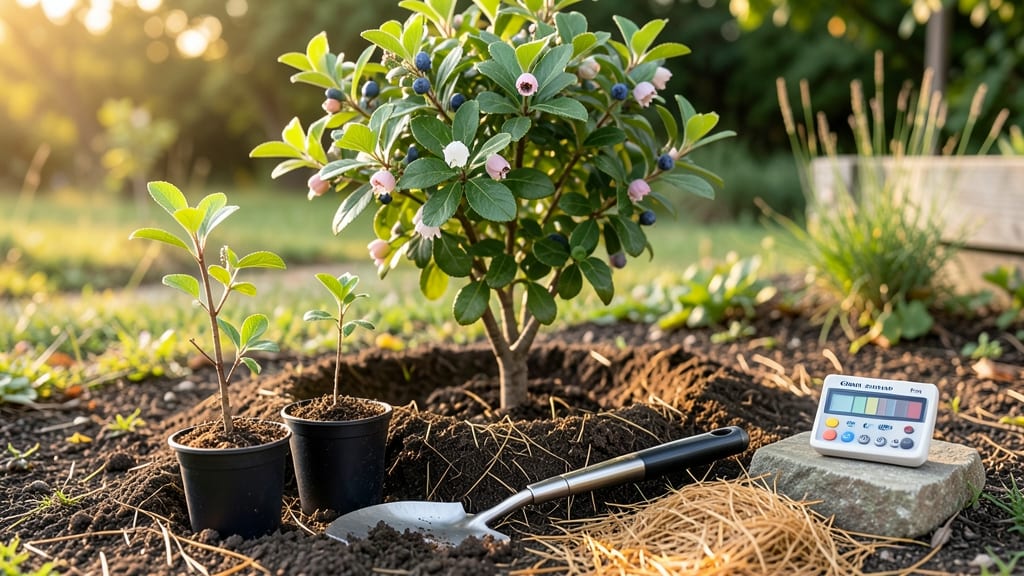
Plant blueberry bushes in Georgia between late fall and early spring—this frost-free window ensures roots establish before summer heat arrives.
Georgia’s humid subtropical climate is perfect for blueberry bushes—but planting them at the wrong time can mean wasted effort and poor yields. Timing is everything, and missing this narrow frost-free window could cost you a year of sweet, juicy berries.
In zones 7b-8b, the ideal window stretches from October through February, when soil stays cool and frosts are minimal. Bare-root plants thrive in winter, while container-grown bushes can go in year-round—but early spring (March) is the sweet spot for maximum growth.
Below, I’ll break down the best months by region, soil prep secrets for Georgia’s clay-heavy soil, and how to avoid common pitfalls like overwatering in our sticky summers.
Best planting months for blueberry bushes in Georgia’s climate zones
Georgia’s humid subtropical climate creates perfect conditions for blueberry bushes, but timing your planting is critical to avoid frost damage and maximize root growth. Most of Georgia falls within USDA zones 7b-8b, where mild winters and hot summers demand precise planting windows for these acid-loving shrubs.
The ideal planting window spans from late fall to early spring, aligning with Georgia’s cooler months. This timing allows roots to establish before the summer heat arrives, while avoiding the stress of transplanting during peak growing season.
Let’s break down the best months for each zone and variety type.
📅 Georgia Blueberry Planting Guide by USDA Zone
| Zone | Best Planting Month | Frost Risk | Variety Recommendation | Root Establishment Tip |
|---|---|---|---|---|
| 7a | November - February | Moderate (last frost: March 15) | 'Tifblue', 'Climax' | Mulch heavily to protect roots |
| 7b | October - March | Low (last frost: March 1) | 'Powderblue', 'Premier' | Water deeply before first frost |
| 8a | September - February | Minimal (last frost: Feb 15) | 'Southern Highbush', 'Star' | Plant container-grown for flexibility |
| 8b | August - April | Very low (last frost: Jan 31) | 'Misty', 'O'Neal' | Extend planting to early fall |
For USDA zone 7a, focus on planting between November and February to avoid late spring frosts that can damage new growth. Varieties like 'Tifblue' thrive in these cooler conditions and produce reliably in Georgia’s clay-heavy soils when properly amended.
In zone 7b, you have a slightly longer window from October through March. This zone benefits from Georgia’s mild winters, allowing for earlier planting of varieties like 'Powderblue', which ripens earlier in the season and avoids summer heat stress.
The southern zones 8a and 8b offer the most flexibility, with planting possible from September through April. Here, you can even plant container-grown blueberries in late summer for immediate harvests the following year. Varieties like 'Southern Highbush' are bred for heat tolerance and perform exceptionally well.
If you’re planting bare-root bushes, aim for dormant season planting (November-February) to give roots time to establish before Georgia’s summer heat arrives. For container-grown plants, you can plant year-round, but early spring or late fall still provide the best conditions for root development.
One common mistake is planting too late in spring, when Georgia’s humidity and heat can stress young blueberry bushes. Always check your local frost dates—most of Georgia sees its last frost around mid-March, so planting after this risks transplant shock during hot weather.
Pro tip: Use mulch heavily after planting to retain moisture and regulate soil temperature. In Georgia’s clay soils, adding organic matter like pine bark improves drainage while maintaining the acidic pH blueberries need to thrive.
For early varieties, plant in late winter (February) to ensure berries ripen before Georgia’s summer heat sets in. Late varieties can handle a slightly later planting in early spring (March), but monitor for late frosts that could damage flowers.
Remember, Georgia’s humid climate means blueberries need well-draining soil to prevent root rot. Amend your soil with peat moss or sulfur to maintain the 4.5-5.5 pH range these shrubs require for optimal growth and fruiting.
By following these zone-specific guidelines, you’ll set your blueberry bushes up for strong root systems and bountiful harvests in Georgia’s unique climate. Happy planting! 🌱
How to prepare your Georgia garden for blueberry planting (soil, sun, and spacing)
Georgia’s clay-heavy soils and humid summers demand special prep before planting blueberries. Without proper adjustments, your bushes will struggle to thrive in our USDA zones 7b-8b. The key lies in creating the right conditions: acidic soil, full sun exposure, and proper spacing to prevent disease.
Let’s break down exactly how to prepare your garden for success.
First, test your soil pH—blueberries need acidic soil between 4.5-5.5. Georgia’s native soils often test much higher (6.0-7.5), so you’ll need to amend with peat moss or sulfur.
Mix in 2-3 inches of composted pine bark or sphagnum peat to lower the pH naturally. If your soil is extremely alkaline, consider planting in raised beds filled with acidic mix.
Next, choose a sun-drenched location. Blueberries require 6+ hours of direct sunlight daily, but Georgia’s intense summer heat can scorch young plants. Opt for a spot with morning sun and afternoon shade if possible, or use light shade cloth during peak afternoon heat.
Avoid low-lying areas where frost can pool in early spring.
🌱 Georgia Blueberry Prep Checklist
- 1. Soil Acidification: Amend with peat moss or sulfur to reach pH 4.5-5.5. Test soil 2-3 weeks before planting.
- 2. Sunlight Spot: Select full-sun area (6+ hours daily) with afternoon shade if temperatures exceed 90°F.
- 3. Spacing: Dwarf varieties need 3-4 ft spacing; standard bushes require 6-8 ft apart.
- 4. Drainage Fix: Break up clay soil with gypsum or plant on slightly elevated beds.
- 5. Mulching: Apply pine straw or wood chips (3-4 inches) to retain moisture and acidify soil.
Spacing is often overlooked but critical in Georgia’s hot, humid climate. Dwarf varieties (like ‘Top Hat’ or ‘Peach Sorbet’) thrive with 3-4 feet between plants, while standard bushes need 6-8 feet to prevent fungal diseases like botrytis.
If planting in rows, leave 8-10 feet between rows for easy harvesting and airflow. Avoid tight spacing—crowded bushes develop poor airflow, inviting pests and disease.
Georgia’s clay soil can compact easily, suffocating roots. Before planting, loosen the soil to a depth of 12-18 inches using a broadfork or tiller. Mix in organic matter like compost or aged manure to improve drainage.
If your yard has heavy clay, consider planting in raised beds with a mix of peat moss, perlite, and compost for better root development.
Finally, mulch heavily with pine straw or wood chips to conserve moisture and maintain soil acidity. Georgia’s summers can dry out soil quickly, so mulch helps retain 1-2 inches of moisture near the roots.
Avoid using cedar mulch, as it can inhibit growth. Water deeply 1-2 times per week during the first growing season to encourage strong root establishment.
With these steps, your Georgia garden will be perfectly prepped for blueberry planting—setting the stage for healthy bushes and bountiful harvests for years to come. 🌿🫐