
Plants
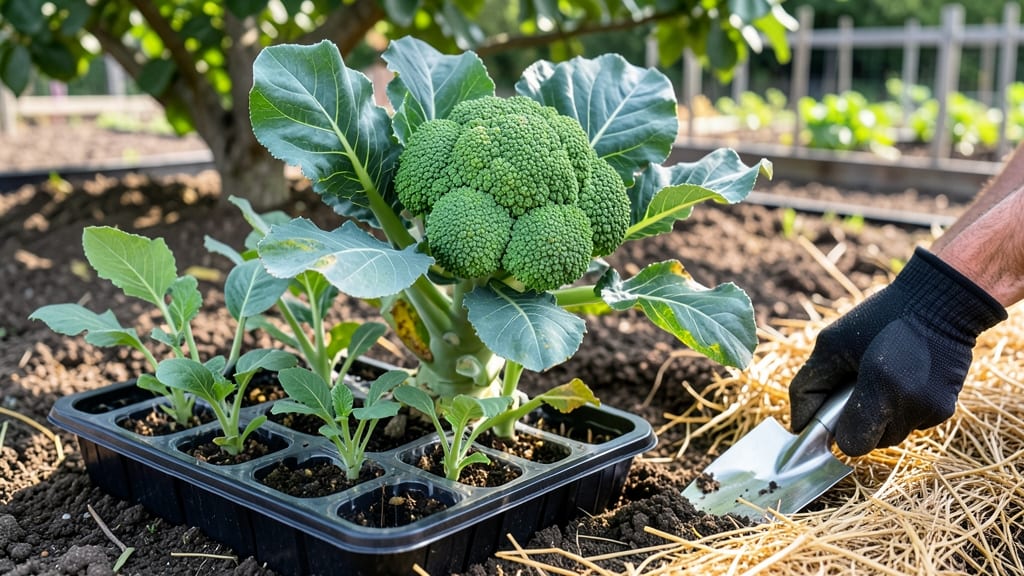
Planting broccoli in Connecticut at the right time means the difference between a fast, thriving crop and a slow, struggling one.
Connecticut’s unpredictable spring weather can turn your broccoli dreams into a guessing game—but timing your planting based on soil temperature (not just air temperature) guarantees faster germination and healthier plants.
In CT’s Zone 6a, broccoli thrives when soil hits 45°F+ for direct sowing, but waiting until 50°F+ speeds up growth. That usually lands you in late March to early April for spring plantings, or late August for a fall harvest.
Below, I’ll walk you through the exact soil temp triggers, how to test them, and the best varieties for Connecticut’s short season—so you can avoid the common mistakes that waste time and effort.
Connecticut broccoli planting timeline: soil temperature guide by month
Connecticut’s cool climate and variable frost dates make timing critical for broccoli success. Unlike air temperature, soil temperature determines germination speed—aim for 45°F+ for direct sowing and 50°F+ for faster growth. Coastal areas like New London warm earlier than inland Hartford, so adjust your schedule accordingly.
Broccoli thrives in USDA Zone 6a, but Connecticut’s microclimates create a 2-3 week difference in planting windows. Coastal regions can start 2 weeks earlier than inland areas, while higher elevations may need to wait until soil warms sufficiently.
Always check last frost dates (typically mid-April) as a secondary guide.
For spring planting, start seeds indoors 6-8 weeks before your last frost date. Transplant seedlings outdoors when soil reaches 50°F+ and nighttime temperatures stay above 40°F. Fall planting for late-season harvests should begin 80-90 days before the first frost (usually mid-October).
In coastal Connecticut, like Groton or Stamford, soil warms 1-2 weeks earlier than inland areas. Start direct sowing as early as late March if soil reaches 45°F+. For inland regions like Waterbury or Torrington, wait until mid-April when soil consistently stays above 50°F during the day.
Use a soil thermometer to check temperatures at 4-inch depth—this is where seeds will germinate. If your soil is below 45°F, delay planting or use black plastic mulch to warm the soil 2-3°F faster.
For fall plantings, aim to have seedlings established by mid-August to ensure harvest before frost.
Broccoli planted in early spring (March-April) will produce heads in late May-June, while fall plantings yield in October-November. To extend your harvest, try succession planting every 2 weeks during the ideal window. This staggered approach ensures a continuous supply of fresh calabrese or Waltham 29 varieties.
If you’re in a warmer microclimate
How to test soil temperature and adjust planting for Connecticut’s climate
Connecticut’s Zone 5-6 climate means soil temperature can swing wildly between seasons, making it tricky to time your broccoli planting perfectly. While air temperature might feel mild, cold soil can delay germination for weeks—or worse, kill tender seedlings.
The key is testing soil temperature at the right depth (1-2 inches) to match your broccoli’s ideal 45°F+ threshold for direct sowing.
I’ve learned the hard way that planting too early based on air temperature alone leads to slow germination or seed rot. For example, in western Connecticut, where frosts linger longer, I wait until soil hits 50°F+ for faster sprouting.
Coastal areas like New Haven can be 2-3 weeks ahead, so adjust accordingly.
Broccoli seedlings are frost-sensitive, but mature plants can handle 28°F+. If your area (like Hartford) has late April frosts, use row covers or wait until May 1 for spring planting. For fall harvests, plant 80-90 days before first frost (typically August 15 in CT).
To test soil temperature accurately, I use a digital soil thermometer (like the ThermometerPro model) for precision. Stick it into moist soil at 1-inch depth in the morning (soil warms up during the day).
For a budget-friendly alternative, use a meat thermometer—just clean it well between uses. Test in multiple spots, as shady areas stay cooler than sunny patches.
If your soil is too cold, extend your season with black plastic mulch or cold frames. These can raise soil temperature by 5-10°F, letting you plant 2-3 weeks earlier.
I’ve seen Waltham 29 broccoli germinate in just 5 days with warmed soil, compared to 2+ weeks in cold conditions. For fall plantings, use row covers to protect young plants from early October frosts.
Don’t forget to monitor moisture levels alongside temperature. Cold soil holds moisture longer, increasing the risk of seed rot. Water lightly before planting to avoid displacing seeds, and use well-draining soil amended with compost.
In sandy CT soils, mix in peat moss to retain moisture without overheating the roots.
For a foolproof schedule, aim for: - Spring planting: March 15–April 15 (after last frost risk) - Fall planting: August 1–September 1 (for October harvests) Adjust by 1-2 weeks based on your microclimate.
Pro tip: Check the UConn Home & Garden Education Center for local frost date updates each year.
By mastering soil temperature checks, you’ll double your broccoli success rate in CT’s variable climate. Start testing now—your healthier, faster-growing plants will thank you at harvest time! 🥦