
Plants
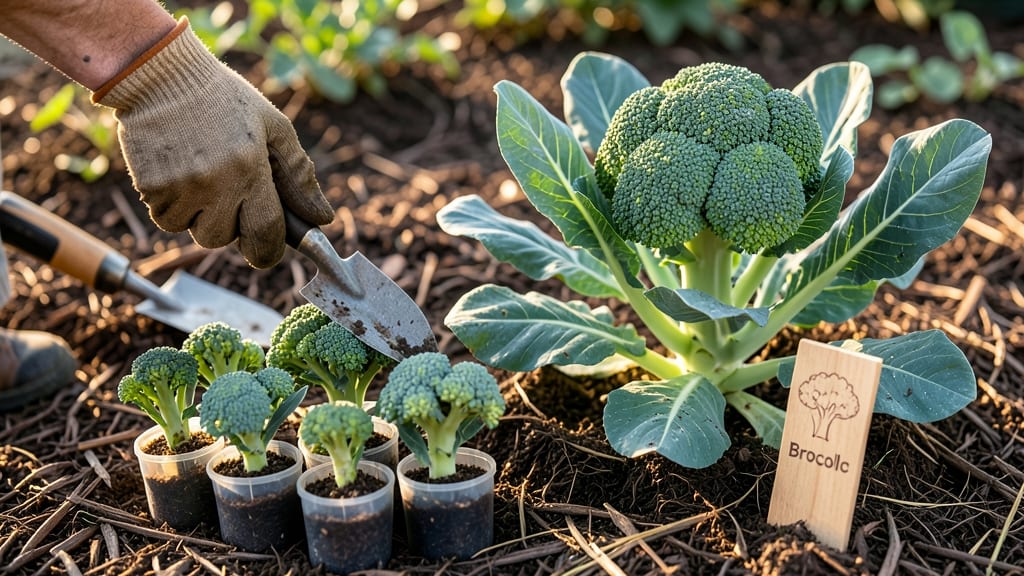
Planting broccoli in Zone 7A at the right time means the difference between big, sweet heads and bitter, stunted plants.
Broccoli thrives in cooler weather, but planting it too early or too late in Zone 7A can lead to frustration—especially when your seedlings bolt before producing a harvest. The key is timing it just right to avoid heat stress and maximize your garden’s potential.
In Zone 7A, you’ve got two prime windows: early spring (March-April) and late summer/early fall (August-September). Each season has its own tricks, like adjusting for frost dates and soil temperatures, to ensure your 🥦 broccoli grows strong and productive.
Below, I’ll break down the exact planting schedule, soil prep tips, and how to stretch your harvest with succession planting—so you can enjoy homegrown broccoli from spring through fall.
Best planting windows for broccoli in zone 7A: spring vs fall
Broccoli thrives in cooler temperatures, making Zone 7A an ideal region for two planting seasons: spring and fall. Planting at the wrong time can lead to bitter-tasting heads or premature bolting, so timing is everything.
In Zone 7A, your last frost date is around March 15, while the first frost typically arrives by November 15. This gives you a 190-day frost-free window to work with—perfect for two broccoli harvests per year.
For spring broccoli, aim to plant seeds 4-6 weeks before your last frost, which means late February to early March in Zone 7A. This timing ensures seedlings emerge when soil temperatures are 40-50°F, ideal for germination.
If you’re using transplants, wait until 2-3 weeks before the last frost (around mid-March) to avoid cold damage. Fall broccoli, on the other hand, requires a different approach—plant seeds 8-10 weeks before your first frost, or late August to early September.
Mid-March (transplants)
50-60°F (for growth)
Mid-September (transplants)
45-55°F (for growth)
Late July (fall)
50-60°F (fall)
September - October (fall)
Early September (fall)
45-55°F (fall)
November (fall)
Adjusting for early vs. late varieties is key in Zone 7A. Early-maturing varieties like 'Calabrese' or 'Green Goliath' can handle slightly cooler soil and are perfect for late winter or early fall plantings.
These varieties take 50-60 days to mature, so they’re ideal for succession planting every 2-3 weeks to stretch your harvest. Late varieties, such as 'Waltham 29' or 'Packman,' need 70-90 days to mature and should be planted closer to your frost dates for a longer harvest window.
Soil temperature is critical for germination and growth. Use a soil thermometer to monitor conditions—broccoli seeds won’t sprout if soil temps drop below 40°F. In spring, wait until the ground warms to 50°F before planting seeds directly.
For fall plantings, aim for 50-60°F soil temps to ensure strong seedling development before cooler weather sets in. If your soil is still too warm in late summer, delay planting until temperatures drop naturally or use shade cloth to cool the soil.
Frost risk is another critical factor. Spring broccoli planted too early may face light frosts, which can damage young seedlings. Use row covers or cold frames to protect plants until temperatures stabilize. For fall broccoli, the biggest risk is an early frost cutting your harvest short.
Choose cold-hardy varieties like 'De Cicco' or 'Belstar' and plant 8-10 weeks before your first frost to ensure mature heads before winter arrives. If frost threatens, cover plants with frost blankets to extend their growing season.
Pro tip: Succession planting in Zone 7A can give you continuous broccoli harvests from spring through fall. Start with an initial planting in late February, then sow seeds every 2-3 weeks until mid-June for a spring harvest.
For fall, begin with a final planting in late July and continue every 2-3 weeks until early September. This strategy ensures you’re always harvesting fresh, tender heads while avoiding the heat stress of summer plantings.
If you’re new to growing broccoli in Zone 7A, start with transplants instead of seeds for easier success. Nursery-grown seedlings are hardier and faster to establish,
How to extend broccoli season in zone 7A: succession planting & cold protection
Zone 7A’s mild winters and warm summers create the perfect opportunity to grow broccoli almost year-round—but only if you plan strategically. By using succession planting and cold protection, you can enjoy fresh heads from early spring through late fall.
The key is understanding how to stagger plantings and shield tender plants from temperature extremes.
Broccoli bolts (prematurely flowers) when exposed to heat stress or drought conditions. In Zone 7A, this typically happens in late spring and summer. To prevent this, I plant cool-season varieties like 'Waltham 29' or 'De Cicco' in staggered batches, ensuring a continuous harvest while avoiding the hottest months.
- Early Spring Planting: Start seeds indoors 8-10 weeks before last frost (early February) or direct-sow 4-6 weeks before last frost (mid-March). Use row covers for frost protection.
- Late Summer Planting: Sow seeds 8-10 weeks before first frost (early August) for a fall harvest. Choose heat-tolerant varieties like 'Calabrese' to delay bolting.
- Fall Succession: Plant every 2-3 weeks from August to September to extend harvest into November. Use black plastic mulch to warm soil and protect roots.
- Winter Protection: For late fall plantings, cover with frost blankets when temperatures drop below 25°F. Remove during the day for sunlight.
- Companion Plants: Interplant with bush beans or radishes to deter pests and improve soil structure. Avoid planting near tomatoes, which compete for nutrients.
One of my favorite tricks is using row covers to shield young plants from unexpected late frosts. These lightweight fabrics allow sunlight and water to pass through while trapping enough heat to raise soil temperatures by 5-10°F.
I’ve seen broccoli thrive under row covers even when nighttime temps dip to 28°F.
To further extend the season, I rely on companion planting. Broccoli pairs beautifully with dill and celery, which repel cabbage moths and aphids. I also rotate crops annually to prevent soil-borne diseases like clubroot, which can devastate broccoli yields in Zone 7A’s humid summers.
Don’t forget to monitor soil moisture—consistent watering is critical, especially during dry spells. I water deeply twice a week in summer and reduce to once a week in fall. Mulching with straw helps retain moisture and keeps roots cool, which is essential for preventing bolting.
With these strategies, you can enjoy homegrown broccoli from March through November in Zone 7A—no greenhouse required! The secret lies in timing, protection, and a little extra care during the heat of summer. 🥦