
Plants
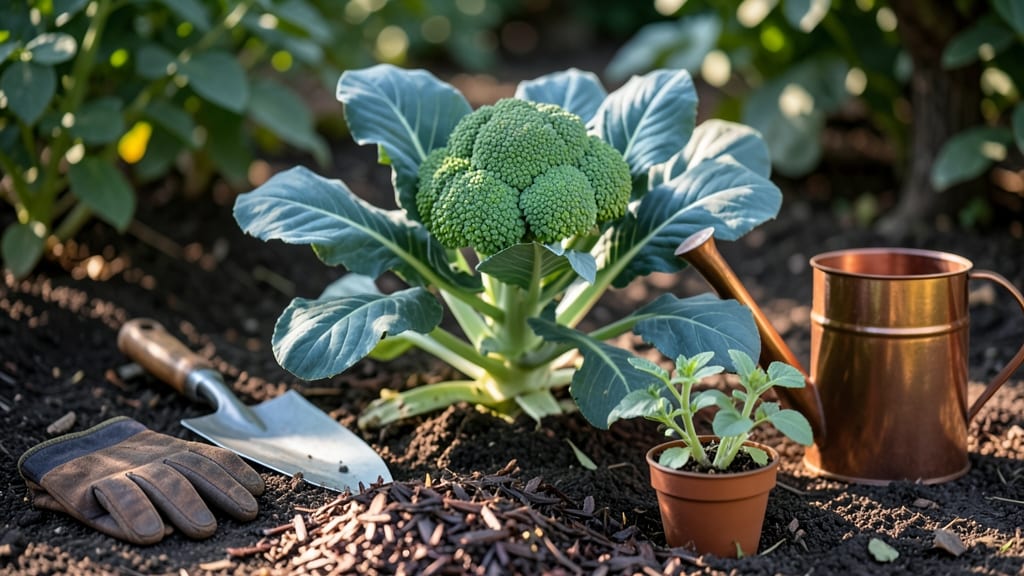
Plant broccoli in Houston between September and October for a fall harvest or February and March for spring, timing that avoids the city’s brutal summer heat and early frosts.
Houston’s humid summers and unpredictable weather can turn broccoli planting into a high-stakes game—get the timing wrong, and you’ll lose your harvest to heat or pests. But with the right microclimate strategy, you can enjoy crisp, homegrown 🥦 year-round.
The key is planting when soil temperatures stay below 80°F and nighttime lows dip into the 50s, giving seedlings the cool conditions they crave. Coastal areas near Galveston can push planting a week earlier, while inland zones near Katy may need to wait until late September.
Below, I’ll break down the exact planting windows for Houston’s three microclimates, how to prep soil for Houston’s heavy clay, and the succession planting schedule that keeps your garden producing through winter.
Houston’s broccoli planting calendar: exact months by microclimate zone
Houston’s broccoli planting success hinges on understanding its three distinct microclimates: coastal areas, urban heat islands, and inland regions. Each zone has unique temperature thresholds and frost dates that dictate your planting windows.
Coastal areas near Galveston stay milder longer, while inland zones like Katy experience earlier frosts. Urban heat islands (like downtown) can push summer planting limits by 2–3 weeks earlier than rural areas.
Broccoli thrives in cool weather but bolts (goes to seed) when temperatures exceed 85°F. Houston’s average last frost is January 15, and the first frost typically arrives December 15.
However, these dates shift by zone—coastal areas may delay frost by 2 weeks, while inland zones can see earlier cold snaps. Planting too early or late risks stunted growth or premature bolting, so timing is critical.
For fall planting (the preferred season), aim for September–October across all zones. Spring planting should start February–March, with seedlings ready by late March to avoid summer heat stress. Coastal areas can extend fall planting into early November, while inland zones should finish by late October to avoid frost damage.
Urban heat islands may require shade cloth or succession planting to beat the heat.
Here’s how each microclimate differs in optimal planting windows, temperature thresholds, and harvest timelines—critical for maximizing your yield:
In coastal Houston, you can plant broccoli as late as early November because the Gulf’s moderating influence delays frost. This extends your harvest into January, giving you a longer growing season.
However, avoid planting after November 15, as cooler nights and shorter days can slow growth. Use row covers if you’re ambitious and want to push into December.
For urban heat islands, focus on September–October planting to avoid the 100°F+ heat of summer. Urban areas trap heat, so broccoli planted in May or June will bolt within weeks. Instead, opt for shade-tolerant varieties like ‘De Cicco’ if you must plant in summer, but expect smaller yields.
Mulch heavily with straw or wood chips to keep roots cool and retain moisture.
Inland areas like Katy and Cypress have cooler nights but hotter days, making late August–October the sweet spot for fall planting. Spring planting should start by mid-February to ensure seedlings are established before temperatures climb.
Inland zones also face earlier frosts, so harvest by December 1 or use row covers to protect plants through light frosts (28°F).
To extend your harvest, try succession planting every 2–3 weeks from September through October. This ensures a steady supply of broccoli as older plants mature. For example, plant one batch in late August, another in mid-September, and a final batch in early October.
This staggered approach works best in coastal zones, where the growing season lasts longer.
Pro tip: Monitor your local weather forecasts for cold snaps or heat waves. Houston’s weather is unpredictable—one week can bring freezing temps, while the next hits 90°F.
Adjust your planting schedule accordingly, and don’t hesitate to use shade cloth or move containers to protect seedlings during heat spikes. With precision timing, you can enjoy homegrown broccoli from October through January—or even
How Houston’s humidity and heat affect broccoli growth (and how to beat it)
Houston’s 90% humidity and 95°F+ summers create a double-edged sword for broccoli growers. While the long growing season is ideal, the heat stress triggers bolting (premature flowering), and the humidity invites fungal diseases like downy mildew.
The key? Choosing the right varieties, soil conditions, and shade strategies to keep your plants thriving year-round.
Broccoli is a cool-season crop, but Houston’s Zone 9a climate allows for two prime planting windows: fall (September-October) and spring (February-March). Outside these windows, your plants will either bolt from heat or rot from humidity.
The good news? With proper variety selection and microclimate adjustments, you can grow broccoli successfully even in Houston’s toughest conditions.
Temperature Threshold: Broccoli bolts when soil temps exceed 80°F for more than 3 days. Houston’s urban heat islands can push temps 10°F+ higher than coastal areas—planting in cooler microclimates (near water features or shaded spots) delays bolting by 2-3 weeks.
Actionable Fix: - Use shade cloth (30-50%) during 10 AM–4 PM in summer - Choose heat-tolerant varieties like ‘Waltham 29’ or ‘Calabrese’ - Mulch with straw or wood chips to keep soil 5-10°F cooler
Houston’s high humidity (often 90%+) creates the perfect storm for fungal diseases, particularly downy mildew and black rot. These pathogens thrive in wet foliage, so watering practices become critical.
Always water at the base of the plant in the morning to allow leaves to dry before evening. Avoid overhead sprinklers—they turn broccoli leaves into fungal breeding grounds.
To combat humidity-related issues, amend your soil with compost and perlite for better drainage. Houston’s clay-heavy soils retain too much moisture, so raised beds or container gardening can be game-changers.
Add 1-2 inches of organic mulch (like pine straw) to reduce soil splashing onto leaves and prevent fungal spores from spreading.
Not all broccoli varieties handle Houston’s climate equally. ‘Waltham 29’ is a top performer due to its bolting resistance and disease tolerance, while ‘Calabrese’ offers larger heads but requires extra shade in summer.
For fast harvests, try ‘De Cicco’—it matures in just 50 days and tolerates mild heat stress better than other varieties.
If you’re determined to grow broccoli in Houston’s summer, consider container gardening with 5-gallon pots. This gives you full control over soil moisture and easier shade adjustments.
Place pots in partial shade (like under a 50% shade cloth) and water deeply every 2 days to prevent stress. Just be prepared for smaller heads—summer broccoli is rarely as robust as its fall or spring counterparts.
With these Houston-specific strategies, you can beat the heat and humidity to grow crisp, homegrown broccoli year-round. Start with the right varieties, soil prep, and watering discipline, and you’ll enjoy a bountiful harvest despite the challenges. Happy gardening! 🌱💧☀️