
Plants
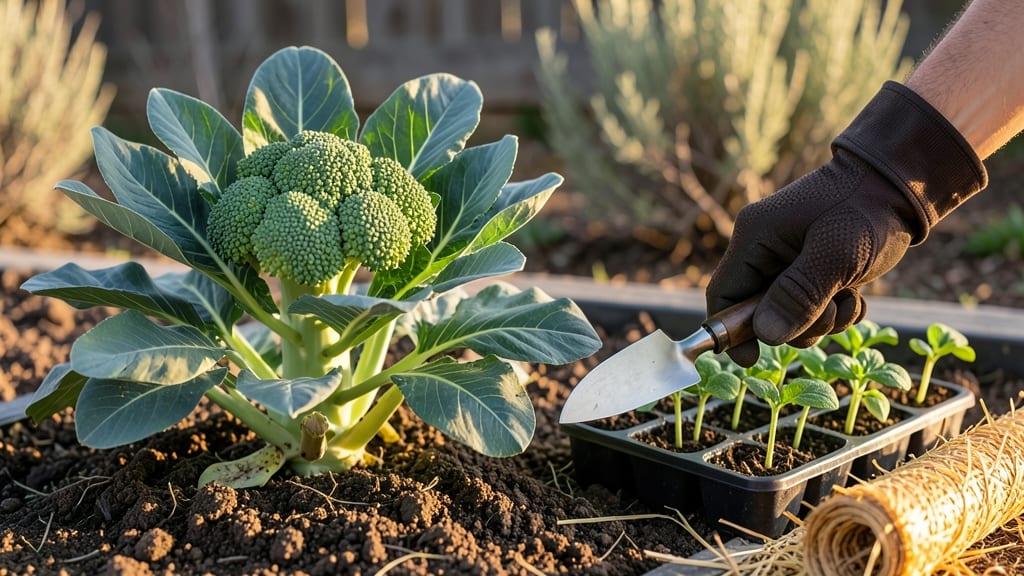
Planting broccoli in Utah at the right time means the difference between a bountiful harvest and a garden that bolts before it even forms 🥦.
Utah’s high-desert climate throws curveballs—late frosts in May or early snows in October can wreck your plans if you’re not ready. But get the timing right, and you’ll enjoy crisp, flavorful heads straight from your garden, whether you’re in the Salt Lake Valley or the Wasatch Front.
Most Utah gardeners swear by two windows: early spring (March–April) for a summer harvest or late summer (August) for a fall crop. The key is planting 4–6 weeks before your last frost date, which varies by elevation—think April 15 in lower zones but earlier in cooler mountain areas.
Below, I break down the exact months to start seeds indoors, when to transplant seedlings, and how to adjust for Utah’s unpredictable weather—so you can avoid the common mistakes that leave gardeners scratching their heads in October.
Utah broccoli planting calendar: best months by microclimate
Utah’s diverse microclimates—from the Salt Lake Valley’s urban heat islands to Cache Valley’s cooler high-desert air—create wildly different growing conditions for broccoli. Plant too early, and a late frost will wipe out your seedlings.
Time it perfectly, and you’ll enjoy crisp, homegrown heads from spring through fall. Let’s break down the ideal planting windows for Utah’s three key regions.
Broccoli thrives in cool weather but bolts (goes to seed) when temperatures exceed 75°F (24°C). Utah’s USDA zones 6a-7b mean you can grow broccoli in spring and fall, but summer planting requires shade and extra water.
The key is timing: soil temperatures should be 40-80°F (4-27°C), and frost dates vary by elevation. Let’s dive into the specifics for your area.
For the Salt Lake Valley, aim to plant broccoli seedlings 4-6 weeks before the last frost date (around March 15). This gives plants time to establish roots before spring warmth arrives.
In Cache Valley, cooler nights mean you can push planting slightly earlier—March 1 is ideal for hardy varieties like 'Waltham 29'. Southern Utah’s warmer microclimate allows for February planting, but use shade cloth if temperatures spike.
Fall planting is equally critical. In the Salt Lake Valley, transplant seedlings by August 1 to ensure heads mature before October frosts. Cache Valley’s shorter growing season demands an earlier start—July 25 is your cutoff.
Southern Utah gardeners have until September 15, but watch for early autumn chills that can stunt growth. Always choose cold-hardy varieties like 'De Cicco' for fall harvests.
Soil temperature is non-negotiable. Use a soil thermometer to confirm 40-80°F (4-27°C) before planting. In high-elevation areas, soil may stay cool longer—wait until May 1 for summer planting if needed. Mulch with straw or compost to regulate temperature and retain moisture, especially in Utah’s dry, windy conditions.
This simple step can mean the difference between bolting broccoli and a bountiful harvest.
Transplanting seedlings is an art in Utah’s variable climate. Harden off seedlings for 7-10 days before moving them outdoors, and plant on a cloudy day to reduce stress. Space plants 18-24 inches apart in rows 30 inches apart to allow airflow and prevent disease.
Water deeply after transplanting to help roots establish, and avoid wetting foliage to minimize fungal risks like downy mildew.
If you’re direct-sowing seeds, plant them ½ inch deep and keep soil moist until germination (typically 5-10 days). In Southern Utah’s heat, sow seeds in late summer for a fall crop, but use shade cloth to protect young plants.
Remember: broccoli is a cool-season crop, so summer planting requires extra care. Succession planting every 2-3 weeks ensures a steady supply of harvests.
Don’t overlook succession planting for extended harvests. In the Salt
How to adjust broccoli planting for Utah’s unpredictable weather
Utah’s high-desert climate throws curveballs—late spring frosts can linger into May, while summer heatwaves hit 100°F by July. These extremes force broccoli growers to adapt. The key? Succession planting and protective strategies to shield tender seedlings.
I’ve learned that timing isn’t just about months—it’s about microclimates and weather patterns that shift yearly.
For spring plantings, I start seeds indoors by late February to ensure hardy transplants by mid-April. But if your garden sits in a cold pocket (like higher elevations near Park City), wait until May 1st to avoid frost damage.
The Wasatch Front often warms faster, so I plant there by April 15th. This flexibility keeps my broccoli safe from unpredictable late frosts that can wipe out young plants overnight.
⚠️ Warning: Utah’s Frost Risk Doesn’t Follow the Calendar
Last frost dates in Utah vary wildly:
- Salt Lake Valley: April 15 (±7 days)
- Cache Valley: May 1 (±10 days)
- Southern Utah (St. George): March 1 (±5 days)
Use frost cloth or row covers for 3+ weeks after your local last-frost date. Without protection, a single 28°F night can kill seedlings. Check Utah State University’s frost maps for real-time updates.
When summer heat arrives, broccoli bolts faster than you can say "harvest." To beat the heat, I switch to shade cloth (30-50%) during peak afternoon sun (12 PM–4 PM). This trick buys me 2-3 extra weeks of harvestable heads.
Pair it with drip irrigation to keep soil temps stable—broccoli hates fluctuating temperatures, which stress plants and trigger bolting.
For fall plantings, I aim for late August to early September, giving plants 60-70 days to mature before first frost. But Utah’s early autumn chills can sneak in by October 1st in mountain areas.
To hedge bets, I plant cold-hardy varieties like 'Waltham 29' and use black plastic mulch to warm soil and delay frost damage. This combo extends my harvest into November.
Don’t forget succession planting—it’s my secret weapon. Instead of one big spring planting, I stagger seeds every 2 weeks from March to May. This ensures a continuous harvest and minimizes losses if one batch fails.
For example, if May frosts hit, my June plantings might still thrive while others suffer.
Pro tip: Monitor your garden’s soil temperature with a thermometer. Broccoli needs soil at 40°F+ to germinate—colder soils stall growth. In Utah’s cool nights, I use clear plastic tunnels over seed beds to trap heat. These low-cost tricks turn Utah’s unpredictable weather into an advantage, not a roadblock.