
Plants
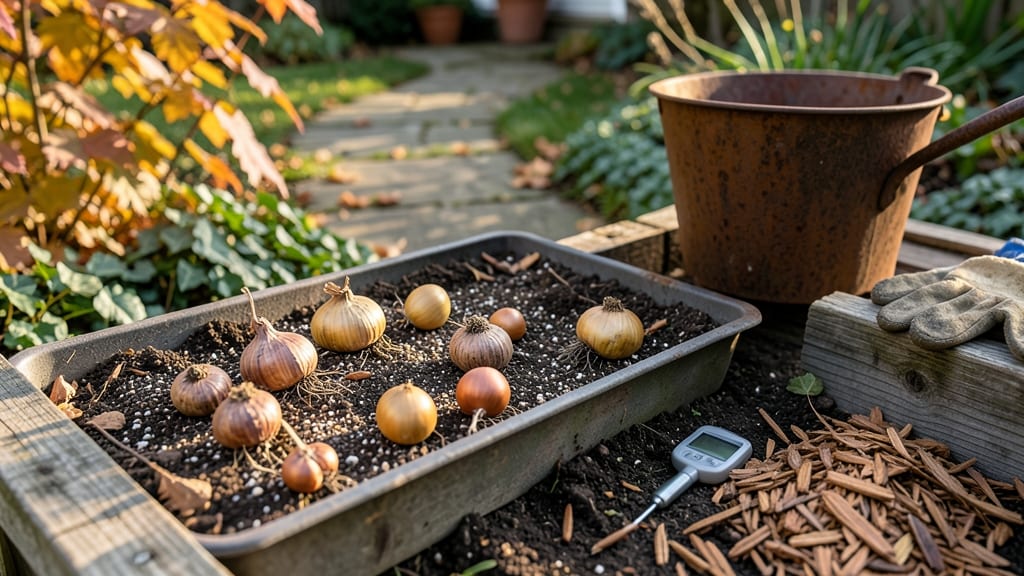
Plant bulbs in Maryland between October and November for fall-blooming varieties like crocuses, or in March and April for spring favorites such as tulips and daffodils 🌷.
Maryland gardeners know timing is everything—plant bulbs too early, and they’ll rot; too late, and you’ll miss spring’s showstopper blooms. Follow this chill-tested timeline to ensure your daffodils, tulips, and hyacinths burst into color at the perfect moment.
With Maryland’s USDA zones 6a-7b, the key is balancing soil temperature, frost dates, and bulb chill requirements. Coastal areas may have slightly longer windows than inland spots, but the general rule holds: cooler soil in fall means healthier roots before winter.
Below, I’ll break down the exact planting windows for each bulb type, soil prep tips to avoid rot, and how to stretch your bloom season by layering varieties. No more guessing—just perfect blooms every spring.
Maryland’s ideal bulb planting months by chill requirements
Maryland’s USDA Zones 6a-7b create perfect conditions for spring-blooming bulbs, but timing is everything. Most bulbs need 600-1,000 chill hours to flower, and planting too early or late disrupts their dormancy cycle.
I’ve broken down the best months for fall-planted bulbs (like tulips and daffodils) versus spring-planted varieties (like summer-flowering lilies), so you can plan for a sequential spring bloom that lasts from March to June.
Fall planting is critical for hardy bulbs because they need time to establish roots before winter.
In Maryland, aim to plant fall bulbs between October and mid-November—before the ground freezes but after soil temperatures drop below 60°F. Spring planting (March-April) works for tender bulbs like cannas or dahlias, which can’t handle frost.
Let’s dive into the chill requirements and exact planting windows for your favorite bulbs.
Chill hours determine whether a bulb will bloom in Maryland. For example, tulips need 800-1,200 chill hours, while daffodils thrive with 400-600 chill hours. Maryland’s winters typically provide enough chill, but microclimates matter: Coastal areas (like Annapolis) may have fewer chill hours than inland zones (like Frederick). Always check the chill requirement of your bulb variety before planting.
| Bulb Type | Chill Hours Needed | Best Planting Month | Bloom Time | Maryland Hardiness Notes |
|---|---|---|---|---|
| Daffodils (Narcissus) | 400-600 | October-November | March-April | Thrives in Zones 6-8; deer-resistant |
| Tulips (Tulipa) | 800-1,200 | October-November | April-May | Best in cooler zones; may need staking |
| Hyacinths (Hyacinthus) | 600-800 | October-November | April-May | Fragrant; plant in clusters for impact |
| Alliums (Ornamental Onions) | 400-600 | September-October | May-June | Drought-tolerant; great for pollinators |
| Crocuses (Crocus) | 200-400 | September-October | February-March | Early bloomers; naturalize easily |
| Dahlias (Spring-Planted) | 0 (tender) | March-April (after frost) | July-September | Needs warm soil; mulch heavily |
*Chill hours vary by variety—always check seed packets for specifics.
For fall-planted bulbs, the soil temperature is just as important as the calendar. Use a soil thermometer to confirm temps are below 60°F before planting. In Maryland, this usually happens by mid-October, but coastal areas
Critical fall planting deadlines in Maryland (avoid these mistakes)
Maryland’s fall bulb planting window is short but sweet—typically from mid-September to mid-November. This tight timeline ensures bulbs establish roots before winter dormancy, setting the stage for vibrant spring blooms. Miss it, and you risk weak growth or no flowers at all.
The key? Soil temperatures must drop below 60°F (15°C) to signal bulbs to stop growing and harden off for winter.
For USDA Zones 6-7 (covering most of Maryland), the sweet spot is October.
Northern regions like Baltimore and Frederick can push into early November, while southern areas like the Eastern Shore should plant by late October. Tulips and daffodils planted too late may not root deeply enough, leaving them vulnerable to frost heave—when freezing and thawing cycles push bulbs out of the soil.
⚠️ callout warning ⚠️
Plant by November 15 for Zone 6 (northern MD) and October 31 for Zone 7 (southern MD). After these dates, bulbs lack time to root before consistent freezing. Soil temps below 50°F (10°C) halt root growth—check with a soil thermometer or use the "fist rule": If you can’t push your fist 6 inches into the ground, it’s too cold!
Common Mistake: Planting tulips in September (too early) risks rot from warm, wet soil. Wait until soil temps drop below 60°F (15°C)—usually mid-October in Maryland.
Before digging, prep your soil like a pro. Amend heavy clay with compost or sand to improve drainage—a must for bulbs like hyacinths and crocuses, which rot in soggy soil. Test your soil’s pH; most bulbs thrive in neutral to slightly acidic soil (6.0–7.0).
If your soil is alkaline, mix in peat moss or sulfur to lower the pH. Well-draining soil is non-negotiable; bulbs need oxygen to root properly.
Timing isn’t just about the calendar—it’s about weather patterns. Avoid planting after heavy rains, which can compact soil and suffocate roots. Instead, aim for a dry spell to create loose, crumbly soil.
If frost is forecasted within 2–3 weeks, delay planting until conditions stabilize. Mulch lightly (1–2 inches) after planting to insulate bulbs without smothering them.
Pro tip: Use a planting checklist to stay on track. Mark tasks like soil prep, bulb selection, and post-planting care to avoid last-minute rushes. For example, daffodils (hardy to Zone 3!) can handle late planting, while tulips (Zone 4–8) need precise timing.
Layering bulbs—planting crocuses first (shallow), then tulips, and finally daffodils (deepest)—extends your bloom season and maximizes space.
Don’t let these common pitfalls derail your garden: planting bulbs too shallow (they’ll flop over), using fresh manure (burns roots), or skipping mulch in winter (bulbs heave out of the ground). With Maryland’s variable fall weather, flexibility is key.
Adjust your timeline based on soil temps, not just dates, and your spring garden will thank you with a showstopping display.