
Plants
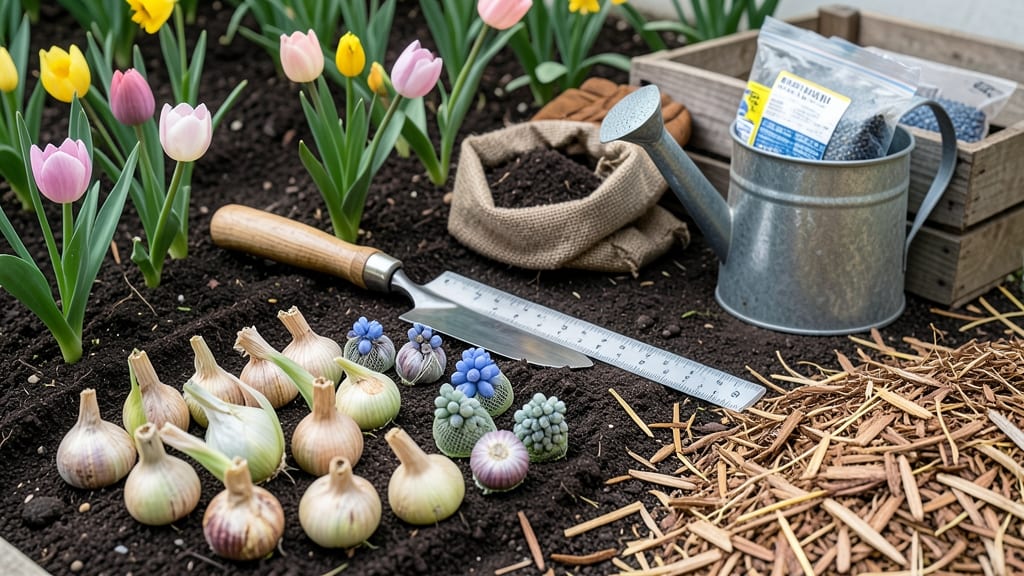
To plant bulbs in Phoenix, aim for October through February—when cooler temps and winter rains create ideal conditions for root growth before the desert heat returns.
Picture this: You’ve picked out your favorite tulips or daffodils, only to watch them wilt under Phoenix’s relentless sun if planted too late. The key is beating the heat by getting them in the ground 6-8 weeks before spring blooms, but not so early that they sprout prematurely.
Phoenix’s 9b climate means no frost to worry about, but the real enemy is summer’s 110°F+ days. Bulbs planted in late winter or early spring can bake in the soil, while those in fall have time to establish roots before the heat arrives.
That’s why October is the sweet spot for most varieties.
In this guide, I’ll break down the exact months for spring vs. fall bloomers, soil prep tricks to mimic desert conditions, and how to stretch your bulbs’ lifespan through Phoenix’s brutal summers. No guesswork—just desert-proven timing.
Best months to plant spring-flowering bulbs in Phoenix’s climate
Phoenix’s USDA Zone 9b-10a climate means no frost to worry about, but the real challenge is avoiding premature sprouting during scorching summers. Spring-flowering bulbs like tulips, daffodils, and hyacinths need a cool dormancy period to develop strong roots.
Planting them at the right time ensures they’ll survive the heat and bloom beautifully in spring.
Unlike cooler climates, Phoenix’s mild winters and hot summers create a unique window for bulb planting. The goal is to plant bulbs when soil temperatures are cool enough to prevent early growth but warm enough to allow root establishment.
This usually means focusing on the fall and early winter months.
Here’s the key: Bulbs should be planted when daytime temperatures consistently stay below 75°F and nighttime temps drop to 50-60°F. In Phoenix, this translates to October through February, with November and December being the sweet spot for most varieties.
| Bulb Type | Best Planting Months | Soil Temp Goal | Bloom Time | Notes |
|---|---|---|---|---|
| Tulips | October - December | 50-60°F | March - April | Needs cool dormancy; plant early to avoid heat stress. |
| Daffodils | November - January | 55-65°F | February - March | More heat-tolerant; can handle slightly warmer soil. |
| Hyacinths | October - November | 50-60°F | March - April | Fragrant but sensitive; plant in partial shade for best results. |
| Alliums | November - December | 55-65°F | March - May | Drought-tolerant; great for desert landscapes. |
| Crocuses | September - October | 60-70°F | January - February | Early bloomers; can handle slightly warmer conditions. |
If you plant tulips in October, they’ll have time to establish roots before the ground warms up in late winter.
Meanwhile, daffodils planted in November can handle slightly warmer soil and often bloom earlier. Hyacinths, which are more delicate, should go in the ground by mid-November at the latest.
One common mistake in Phoenix is planting bulbs too late. If you wait until March or April, the bulbs may sprout too early and get fried by the summer heat. Always aim to have bulbs in the ground by early February to avoid this risk.
For extra protection, consider planting in raised beds or containers that can be moved to shadier spots during peak summer.
Another pro tip: Pre-cool your bulbs for 6-8 weeks in the fridge before planting. This mimics the natural dormancy period and helps bulbs resist premature sprouting. Store them in a paper bag in your vegetable crisper at 40-50°F for best results.
Watering is critical after planting. Give bulbs a deep soak immediately after planting, then water weekly for the first 4-6 weeks to encourage root growth. Once established, bulbs are drought-tolerant, but they’ll bloom more vibrantly with consistent moisture during their active growing season (fall and winter).
Finally, mulch your bulbs with 2-3 inches of organic mulch like straw or wood chips. This helps retain moisture, regulate soil temperature, and suppress weeds. Just be sure to remove the mulch in late winter so it doesn’t smother emerging shoots.
With the right timing and care, your spring-flowering bulbs will reward you with stunning blooms—even in Phoenix’s desert heat! 🌱
Fall-planted bulbs that thrive in Phoenix’s desert heat
Phoenix’s fall temperatures create the perfect window for planting heat-tolerant bulbs like crocuses, alliums, and rain lilies. Unlike traditional spring bloomers, these varieties thrive when planted in September through November, taking advantage of cooler soil before winter sets in.
The key? Mimicking the natural desert conditions these bulbs evolved to love—well-draining soil and minimal summer stress.
Many gardeners overlook fall-planted bulbs in Phoenix, assuming they’re only for cooler climates. But species like Mexican rain lilies (Zephyranthes) and desert crocuses (Romulea) actually prefer the heat once established. Planting them in autumn ensures they’ll bloom through winter and early spring, when most other bulbs are dormant.
The secret lies in soil preparation and understanding their unique water needs.
🌱 5 Critical Steps for Fall Bulb Success in Phoenix
- 1 Wait for soil temps below 80°F: Plant September 15–October 15 when daytime highs drop below 90°F to prevent premature sprouting.
- 2 Amend soil with gritty mix: Combine native soil with 50% coarse sand or perlite to mimic desert drainage. Avoid heavy clay, which causes rot.
- 3 Plant 2–3x deeper than bulb height: In Phoenix’s USDA Zone 9b, dig 6–8 inches deep for most bulbs to escape summer heat waves.
- 4 Water deeply but infrequently: Soak bulbs once every 2–3 weeks after planting. Overwatering in winter can lead to rot in non-dormant bulbs.
- 5 Mulch lightly with gravel: Use ½-inch of pea gravel around bulbs to reflect heat and prevent soil compaction—critical for desert-adapted species.
🌵 "Desert bulbs hate soggy feet—drainage is non-negotiable!"
One of my favorite fall-planted bulbs for Phoenix is the allium, which produces spherical purple blooms in late winter. These bulbs store energy underground during summer, then burst into color when days lengthen.
To extend their bloom season, plant them in partial shade (like under a palm tree) to protect from 110°F+ heat spikes that can stress foliage.
For extended blooming, mix rain lilies (Zephyranthes) with crocuses in the same bed. Rain lilies trigger blooms after light rains, while crocuses provide early winter color.
Both thrive in well-draining cactus soil and require almost no summer watering once established. This combo creates a year-round interest garden with minimal effort.
Pro tip: Mark your bulb beds with landscape fabric to prevent erosion from monsoon rains. In Phoenix, July–September downpours can wash away soil, exposing bulbs to extreme heat.
A 4-inch layer of fabric under mulch keeps beds intact while allowing water to penetrate. This simple step can double your bulb survival rate in the first year.
Remember, fall-planted bulbs in Phoenix aren’t just about timing—they’re about working with the desert’s natural rhythms. By mimicking the dry, gritty conditions these plants evolved to love, you’ll unlock vibrant blooms that most gardeners miss entirely.
Start with 3–5 bulbs of each variety to test what thrives in your microclimate, then expand next season. 🌿