
Plants
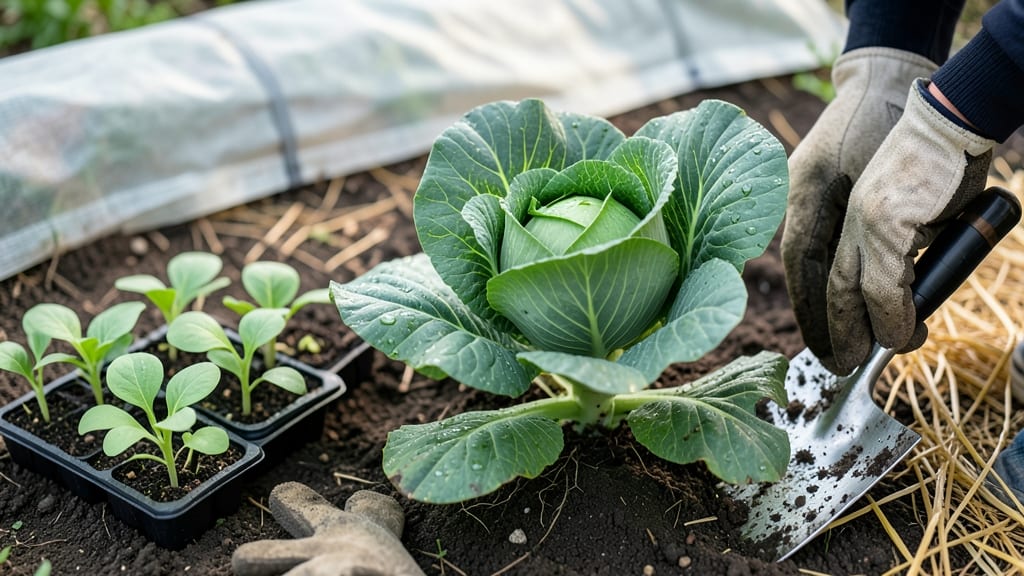
To plant cabbage in Arkansas, time it 4-6 weeks before your last frost (around early March) or 100-120 days before the first frost (late summer for fall harvests).
Arkansas gardeners know timing is everything—plant cabbage too early, and frost ruins your harvest; too late, and heat turns your heads into bitter bolts. Mastering the perfect planting window means bountiful, crisp 🥬 all season long.
With USDA zones 7b-8a and Arkansas’ unpredictable weather shifts, getting the timing right isn’t just about the calendar—it’s about reading your microclimate. Northern Arkansas may need a later start than the southern delta, and clay-heavy soils demand extra prep.
Below, I’ll break down the exact frost-free windows by region, soil tricks to speed up growth, and how to stretch your harvest from spring to fall—so you’re never left with empty garden space or store-bought substitutes.
Best planting windows for Arkansas cabbage by region (frost dates & heat zones)
Arkansas’ diverse climate—from USDA Zone 6 in the north to Zone 8 in the south—means your cabbage planting schedule should match your microclimate. Northern Arkansas faces earlier frosts, while southern regions can extend growing seasons.
The key? Plant when soil temps hit 45°F (7°C) and avoid heat waves above 85°F (29°C), which trigger bolting. Let’s break it down by region so you can time your harvests perfectly.
Cabbage thrives in cool weather, making spring and fall your best bets. In Zone 7 (Central Arkansas), aim for March-April plantings for summer harvests and July-August for fall crops.
But northern Arkansas (Zone 6) gardeners should wait until after April 15, while southern Arkansas (Zone 8) can start as early as February or push fall plantings into early September. Always check your local frost-free date—Arkansas’ ranges from March 15 (north) to March 1 (south).
Here’s the critical comparison for Arkansas’ three main regions, including optimal soil temps, frost risks, and heat tolerance limits:
For northern Arkansas, start seeds indoors 4–6 weeks before your last frost date (around February 15) or buy transplants in early April. Central Arkansas gardeners can direct-sow in March or transplant in late February for early harvests.
Meanwhile, southern Arkansas offers the longest window—plant February through September—but avoid June–July heat, which stresses cabbage plants. Use shade cloth if temps creep above 85°F (29°C).
Pro tip: Soil temperature matters more than air temperature. Use a soil thermometer to confirm 45°F (7°C) before planting. In clay-heavy Arkansas soils, amend with compost or aged manure to improve drainage and warmth retention. Northern zones benefit from black plastic mulch to raise soil temps faster in spring.
Heat tolerance varies by variety. ‘Golden Acre’ handles 80°F (27°C) well, while ‘Cavalo’ bolts at 75°F (24°C). For fall plantings, choose late-maturing varieties (like ‘Super Red 90’) to avoid November frosts.
Southern gardeners can push fall plantings into early September for harvests before first frost (November 15).
Watch for Arkansas-specific challenges: Clay soils can cause rot if overwatered, and cabbage worms thrive in warm springs.
Use row covers in early spring to deter pests and mulch heavily to maintain even soil temps. Succession plant every 2–3 weeks for a continuous harvest, adjusting your schedule based on your region’s frost dates.
Remember: Cabbage needs 60–100 days to mature, so time your plantings to finish
How to extend your Arkansas cabbage season: succession planting & cold protection hacks
Arkansas’ unpredictable weather can turn a single cabbage crop into a gamble—unless you plan ahead. The key to continuous harvests lies in succession planting and smart cold protection. By staggering plantings and using the right heat-resistant varieties, you can enjoy crisp cabbage heads from spring through fall.
Start with ‘Cavalo’ cabbage, a heat-tolerant Italian variety that thrives when temperatures rise. Pair it with ‘Golden Acre’, a savoy-type cabbage that handles Arkansas’ humidity better than standard green varieties. These choices let you push your harvest window later into summer and earlier into fall.
🌱 Numbered Highlights: Arkansas Cabbage Planting Timeline
- 📅 Early March: Start ‘Golden Acre’ indoors or sow directly outdoors under frost cloth (USDA Zone 7b-8a).
- 🌱 Mid-April: Transplant first batch outdoors 4-6 weeks before last frost (March 15 avg.). Use row covers if nights dip below 40°F.
- ☀️ Late May: Sow ‘Cavalo’ cabbage for summer harvest. Space plants 18-24 inches apart to prevent bolting in heat.
- 🌿 Early July: Plant second succession batch for fall harvest. Choose shade-tolerant varieties if summer heat persists.
- 🛡️ September-October: Use low tunnels or straw mulch to protect late-season plants from early frosts (avg. Nov 15).
- ✂️ October-November: Harvest ‘Golden Acre’ before first frost. Store heads in cool, dark place (40-50°F) for 2-3 weeks.
For cold protection, skip expensive frost cloth and try DIY alternatives. A straw mulch layer (4-6 inches) insulates roots and retains moisture, while low tunnels made from PVC pipes and row covers create a mini greenhouse effect.
In Arkansas’ humid climate, ensure good airflow to prevent rot—leave gaps in row covers during the day.
Extend your harvest season by planting every 2-3 weeks from March through July. This succession method ensures you always have young plants maturing while older ones are ready to harvest. Label each batch with planting dates to track growth stages—Arkansas’ variable weather demands flexibility!
Pro tip: Interplant cabbage with fast-growing radishes or lettuce to maximize space. The radishes will be harvested before cabbage needs full sunlight, and the shade they provide keeps cabbage leaves crisp longer. Just avoid planting near tomatoes or peppers, which compete for nutrients.
With these succession strategies and cold-hardy hacks, you’ll turn Arkansas’ short growing season into a year-round cabbage feast. Start small, experiment with varieties, and soon you’ll be the neighbor with the longest harvest table! 🥬