
Plants
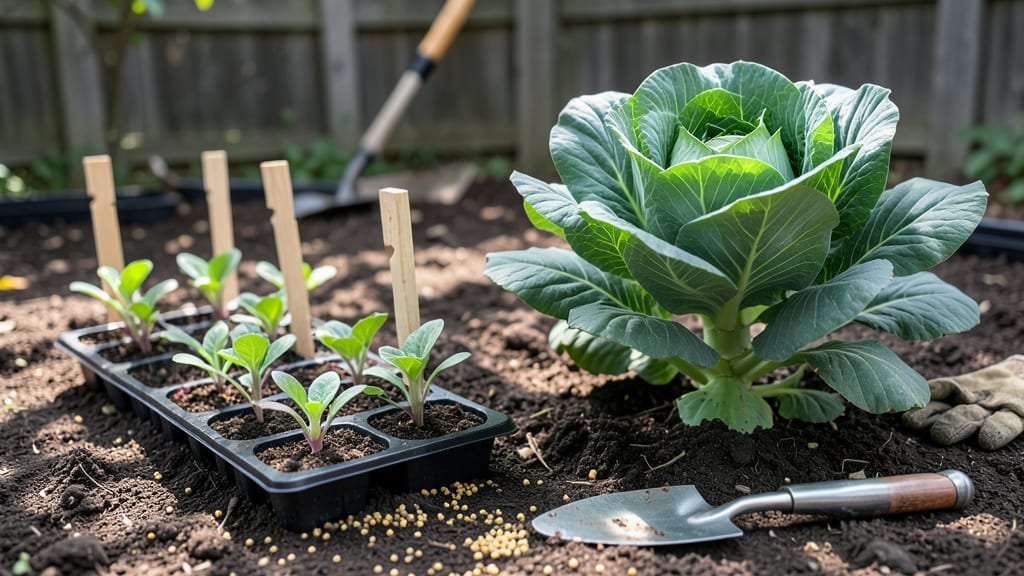
To plant cabbage in Zone 5 at the right time means starting 4-6 weeks before your last frost—usually late March to early April—for a head start on summer harvests.
Miss that window, and you’ll end up with bitter, stunted heads or plants that bolt before they mature. The key is timing: too early, and frost will damage seedlings; too late, and the heat arrives before your cabbage 🥬 fills out.
Zone 5’s short growing season demands precision, but the payoff is worth it—crisp, flavorful heads ready by late June. Whether you’re sowing seeds indoors or planting transplants, knowing your frost dates is the game-changer.
Below, I’ll break down the exact weeks to plant for both spring and fall crops, plus how to stretch your harvest with succession planting and cold-hardy varieties.
Best planting windows for cabbage in Zone 5: early vs late season success
Cabbage thrives in Zone 5 when planted during two critical windows: early spring and late summer. Each timing offers unique advantages, but missing the mark can lead to bolting (premature flowering) or frost damage. Let’s break down the exact weeks and temperature thresholds to maximize your harvest.
The spring planting window starts 4-6 weeks before your last frost date, typically between mid-March and mid-April in Zone 5. For fall harvests, aim for July to early August, giving plants 10-12 weeks to mature before frost. These timings ensure cabbage heads form properly without stress.
Here’s why timing matters: Planting too early risks cold soil (below 40°F) slowing germination, while late spring planting may trigger bolting as days lengthen. Fall planting must avoid heat stress (above 80°F) or early frosts ruining tender heads.
Microclimates play a huge role in Zone 5. A south-facing bed warms faster, extending your planting window by 1-2 weeks compared to shady spots. Use row covers to protect seedlings from late spring frosts or extend fall harvests into October.
| Planting Window | Weeks Before Frost | Ideal Soil Temp (°F) | Risk if Missed | Best Varieties |
|---|---|---|---|---|
| Early Spring | 4-6 weeks | 40-50°F | Bolting or slow growth | ‘January King’, ‘Golden Acre’ |
| Late Summer | 10-12 weeks | 50-60°F | Frost damage or stunted heads | ‘Red Express’, ‘Savoy King’ |
| Succession Planting | Every 2 weeks | 45-55°F | Gaps in harvest | ‘Early Jersey Wakefield’ |
For spring planting, start seeds indoors 6-8 weeks before transplanting (early February) to give seedlings a head start. Harden off seedlings for 7-10 days before moving them outdoors. Use black plastic mulch to warm soil faster and deter weeds.
In late summer, focus on heat-tolerant varieties like ‘Red Express’ to avoid bolting. Plant in partial shade if your area hits 90°F+ regularly. Water deeply in the morning to prevent stress, and avoid overhead watering to reduce disease risk.
Zone 5 gardeners often struggle with short growing seasons, but succession planting can stretch your harvest. Sow every 2 weeks from March to July for continuous cabbage. Pair early varieties (like ‘Early Jersey Wakefield’) with late-season types for a June-to-October harvest.
Watch for cabbage worms and aphids during warm months. Use row covers or neem oil to protect plants without harsh chemicals. A healthy soil (pH 6.5-7.0) with compost reduces stress and improves flavor.
If your last frost date varies yearly, err on the side of late planting for spring. Cabbage can handle light frosts (down to 20°F for mature plants), but young seedlings won’t survive below 30°F. Use cold frames for early starts if needed.
Remember: Fall cabbage tastes sweeter after a light frost, but heads must be harvested before hard frosts (below 25°F) damage the core. Plan to harvest by mid-October in most of Zone 5 to avoid losses.
With these precise windows, you’ll grow crisp, flavorful cabbage heads—not bitter or stunted ones. Happy planting! 🥬
How to calculate your Zone 5 cabbage planting dates using local frost data
Finding the exact planting window for cabbage in Zone 5 starts with understanding your local frost dates. Unlike generic guidelines, your personalized schedule depends on historical data from your specific area.
For example, a late-May last frost in northern Zone 5 means different timing than a mid-April frost in southern parts. Using the USDA frost chart for your county is your first step to precision.
Next, check your seed packet guidelines—they list days to maturity (e.g., 60-75 days). For ‘January King’ (cold-hardy), subtract 75 days from your first frost date to find your latest fall planting.
For ‘Golden Acre’ (heat-sensitive), subtract 60 days from your last frost date for spring planting. These calculations ensure your cabbage matures before extreme heat or frost.
- 📅 Step 1: Find Your Last Frost Date
Use the USDA Plant Hardiness Zone Map or your local Cooperative Extension Service for your county’s average last frost (typically mid-May in Zone 5). - 🌱 Step 2: Choose Your Variety
Cold-hardy types like ‘January King’ tolerate 32°F seedlings; heat-sensitive ‘Golden Acre’ bolts above 80°F. - ⏳ Step 3: Calculate Planting Weeks
For spring: Subtract 60–75 days (maturity) from your last frost date. For fall: Subtract 75–90 days from your first frost date. - 📝 Step 4: Adjust for Microclimates
South-facing beds warm 2–3 weeks earlier than north-facing areas. Use row covers to extend early/late seasons by 3–4 weeks. - 🌡️ Step 5: Verify Soil Temps
Cabbage seeds need 40–50°F soil. Use a soil thermometer—plant only when temps stabilize above 45°F.
Don’t rely solely on averages—check your local weather records for the past 5 years. For instance, if your area had a late frost in 2022, delay spring planting by 1–2 weeks as a buffer.
Pro tip: Use a planting calendar app like Gardenate to input your ZIP code and get real-time adjustments for your specific microclimate.
For succession planting, stagger your cabbage every 2 weeks from spring through early summer. This ensures a continuous harvest and reduces the risk of bolting from heat stress. For example, plant ‘Golden Acre’ in early April, then again in mid-April and late April for staggered maturity.
Remember, cold-hardy varieties like ‘January King’ can handle light frosts after transplanting, but heat-sensitive types like ‘Golden Acre’ will bolt if temps exceed 80°F for more than a few days. Always monitor your garden’s microclimate—a shaded corner may stay cooler by 5–10°F than a sunny bed.
By combining USDA frost data, seed packet guidelines, and local adjustments, you’ll pinpoint the ideal 2–3 week window for planting cabbage in Zone 5—guaranteeing larger heads and longer storage life. Happy planting! 🥬