
Plants
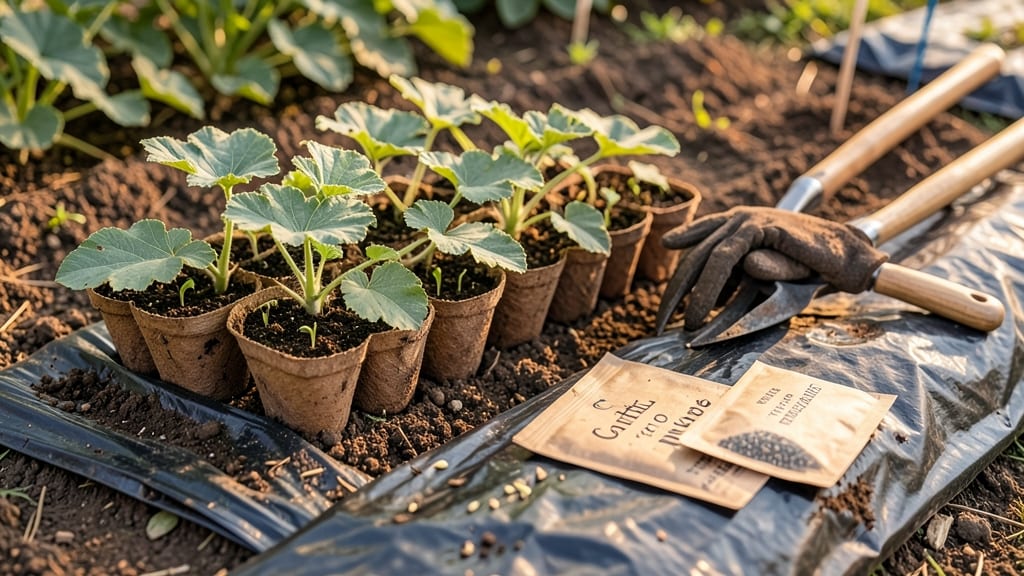
Plant cantaloupes in Georgia when soil temperatures hit 70°F or warmer—typically mid-April to early May after the last frost, but timing is everything.
Georgia’s hot summers and unpredictable spring weather can make cantaloupe planting a high-stakes game—plant too early, and frost kills seedlings; too late, and you miss peak harvest season. But timing isn’t just about dates—soil temperature holds the key to unlocking faster germination and bigger yields.
In USDA zones 7b-8b, cantaloupes thrive with 8-10 hours of sun daily, but they won’t germinate until the ground warms up. Without the right conditions, seedlings can take weeks to sprout, leaving you racing against summer’s heat to get a harvest before the season ends.
Here’s how to nail the timing: when to prep your soil, how to check temperatures without fancy tools, and the fastest tricks to get your cantaloupes 🍈 growing strong from day one.
Best planting dates for cantaloupe in Georgia’s climate zones
Georgia’s three distinct climate zones—Coastal, Piedmont, and Mountain—each demand different planting strategies for cantaloupe. The last frost date varies dramatically: Coastal areas (Zone 8a) average March 15, while Mountain regions (Zone 7b) often see frost until April 15.
Planting too early risks frost damage, but delaying past mid-May may shorten your harvest window.
Cantaloupes thrive in warm soil (60°F+ for germination, 75°F+ for optimal growth). In Georgia, this typically means waiting until after April 15 in most regions. However, using black plastic mulch can warm soil faster, allowing earlier starts in Piedmont and Mountain zones by 2-3 weeks.
Here’s how to align your planting with Georgia’s microclimates for maximum success:
| Climate Zone | Last Frost Date | Optimal Planting Window | Soil Temp Goal | Harvest Window |
|---|---|---|---|---|
| Coastal (Zone 8a) | March 15 | Mid-March to early April | 60°F+ (earlier with mulch) | May to July |
| Piedmont (Zone 7b) | April 1 | Late April to early May | 70°F+ (use mulch) | June to August |
| Mountain (Zone 7a) | April 15 | Late April to mid-May | 75°F+ (longer season) | July to early September |
For Coastal Georgia, where frost is rare, you can start seeds indoors in February and transplant after March 15. This head start ensures earlier harvests before summer heat peaks.
In Piedmont, direct-sow seeds after April 15 when soil warms to 65°F+, or use row covers to protect seedlings.
Mountain gardeners face the biggest challenges due to late frosts and cooler soils. Plant after May 1 only if nighttime temps stay above 55°F. Extend your season by choosing shorter-maturing varieties like ‘Sugar Baby’ (70 days) or using greenhouses for a 2-week earlier start.
Always check your local USDA frost maps or ask your county extension office for precise dates. In 2023, Savannah’s last frost was March 22, while Blairsville’s lingered until April 20—a 28-day difference that matters for cantaloupe success.
Pro tip: Use a soil thermometer to confirm temps before planting. If soil is below 60°F, wait 1-2 weeks—cantaloupe seeds won’t germinate in cold soil, no matter how eager you are. Patience here prevents rotten seedlings and wasted effort.
Once planted, cantaloupes need consistent warmth to thrive. In Coastal areas, summer heat arrives early, so plant early varieties to avoid bolting (premature flowering). In Mountain regions, focus on late-season varieties that tolerate cooler nights.
Remember: Heat zones matter. Georgia’s USDA Zone 8a (Coastal) can handle longer growing seasons, while Zone 7b (Piedmont/Mountain) needs earlier starts or protective measures. Adjust your planting dates accordingly to avoid missed harvests or stunted growth.
🌱
Soil temperature secrets: how to speed up cantaloupe germination
Cantaloupe seeds need consistent warmth to germinate, and Georgia’s unpredictable spring can throw off even the best-laid plans. While 60°F soil is the absolute minimum for germination, your seeds will sprout 3x faster when soil hits 75°F+.
That’s where the real magic happens—faster germination means earlier harvests and more time to enjoy sweet, ripe cantaloupe before summer’s end.
In Georgia’s USDA Zones 7b-8b, soil temperatures often lag behind air temps, especially in cooler Piedmont regions. Without intervention, seeds may sit dormant for weeks, leaving you scrambling to replant. The good news?
With a few low-cost hacks, you can trick your soil into warming up faster, giving cantaloupe seeds the jumpstart they need to break through the soil in 5-7 days instead of 14+.
My go-to trick for warming cold soil is black plastic mulch—it raises soil temps by 5-10°F within days. Lay it down 1-2 weeks before planting, and the soil will be ready for seeds by mid-April in most of Georgia.
For even faster results, combine it with a clear plastic tunnel (like a mini greenhouse) to trap heat. This combo can push soil temps into the 80°F range even in chilly Piedmont springs.
No plastic? No problem. A row cover fabric (like Reemay) lets sunlight through while trapping warmth. Drape it over your beds after planting and remove it once seedlings emerge. Just remember: never cover seeds directly—they need contact with warm soil to germinate.
For extra insurance, soak seeds in warm water (80°F) for 24 hours before planting to kickstart the process.
Monitoring soil temp without a fancy thermometer is easier than you think. Stick a car thermometer (the kind for checking meat) into the soil 2 inches deep—that’s where cantaloupe seeds will be.
Or use the "back of your hand" test**: If the soil feels warm but not hot (like a cozy bath), it’s likely in the 70°F range.
For a DIY hack, bury a glass jar filled with water near your planting spot; check the water temp with a kitchen thermometer—it’ll mirror soil temps closely.
Once your cantaloupe seeds sprout, maintain that warmth for roots. Mulch heavily with straw or grass clippings to lock in heat, and water in the morning only to avoid cooling the soil.
With these tricks, you’ll go from seed to sprout in a week instead of waiting for Mother Nature to cooperate. That’s the difference between a bountiful summer harvest and a disappointing patch of half-grown vines.