
Plants
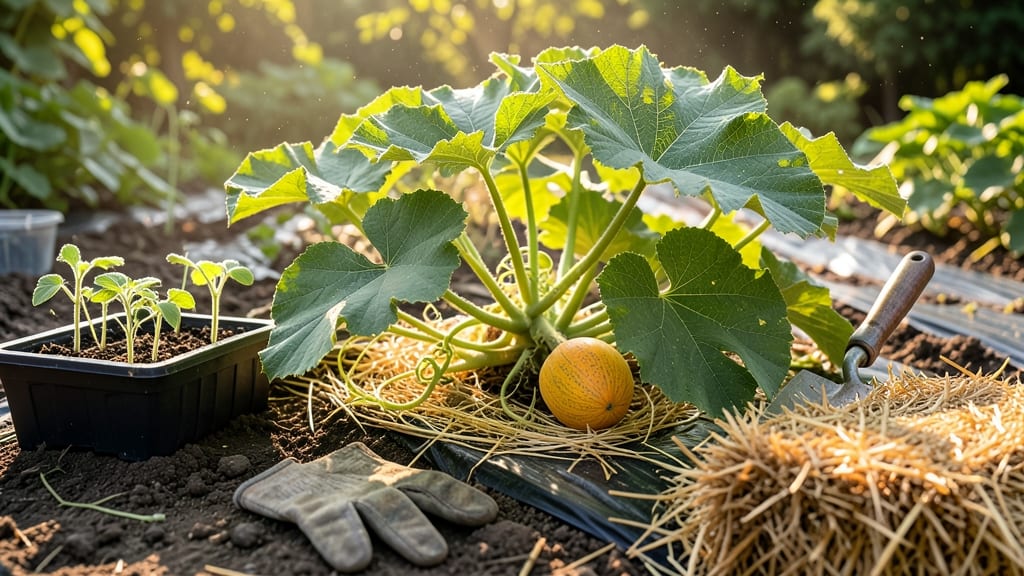
Plant cantaloupe in North Texas after your last frost date — typically mid-March to mid-April — when soil temperatures hit at least 70°F and nighttime lows stay above 55°F.
North Texas gardeners know timing is everything — plant too early, and frost will kill your 🍈 vines; too late, and the brutal summer heat may stifle growth.
But with the right heat-tolerant varieties and precise planting dates, you can harvest sweet, juicy cantaloupes even in the Lone Star State's challenging climate.
This isn’t just about avoiding frost; it’s about matching your planting schedule to your local microclimate. Whether you’re in the Dallas-Fort Worth metroplex or the Panhandle, soil warmth and consistent temperatures are the key to strong germination and fruit development.
Below, I’ll break down the exact planting windows for your region, the best cantaloupe varieties for North Texas heat, and how to give your vines the best shot at success from seed to harvest.
Best planting dates for cantaloupe in North Texas (by region and microclimate)
North Texas spans USDA zones 7b to 9a, creating dramatic differences in frost timing and heat intensity. In East Texas (zone 8a), gardeners can start cantaloupes as early as late February, while Panhandle growers (zone 7b) must wait until mid-April to avoid frost damage.
The key is aligning planting with soil temperatures above 70°F and frost-free dates, which vary by 2-3 weeks across the region.
Cantaloupes thrive in warm-season conditions, so timing is critical. Plant too early, and cold soil stunts germination. Too late, and summer heat stress reduces yields. My strategy? Use black plastic mulch to warm soil faster and transplants instead of seeds for a head start.
For most of North Texas, mid-March to early April is the sweet spot for spring planting.
| Region | USDA Zone | Last Frost Date | Ideal Planting Window | Soil Temp Requirement |
|---|---|---|---|---|
| East Texas (Tyler, Lufkin) | 8a | March 1-15 | Late February - Early April | 70°F+ |
| Dallas-Fort Worth Metroplex | 8a/8b | March 15-31 | Mid-March - Early April | 70°F+ |
| North Texas (Amarillo, Lubbock) | 7b | April 1-15 | Mid-April - Early May | 75°F+ |
| Summer Succession Planting (All Regions) | 8a-9a | N/A | Late June - Early July | 80°F+ |
For East Texas gardeners, the window opens earliest due to milder winters. I recommend starting transplants indoors in February and moving them outdoors by late February if using row covers for extra protection.
In Dallas-Fort Worth, where frost lingers until mid-March, I wait until April 1st to plant seeds directly in the ground with black plastic mulch to accelerate warming.
The Panhandle region presents unique challenges with its colder nights and dry winds. Here, I use heat-loving varieties like 'Athena' and plant no earlier than mid-April.
A trick I’ve learned? Plant near a south-facing wall or use cloches to protect young seedlings from late frosts that can still occur through May.
Don’t overlook summer succession planting for a second harvest. After the first June heat wave, soil temperatures drop slightly, creating a brief window for late June to early July plantings.
This strategy works best in East Texas (zone 8a), where summers are hot but not extreme. Use drip irrigation and shade cloth to protect plants from 100°F+ afternoons.
Soil temperature is non-negotiable for cantaloupe success. Use a soil thermometer to confirm readings—seeds won’t germinate below 70°F, and roots struggle below 6
Top 5 heat-tolerant cantaloupe varieties that thrive in North Texas summers
North Texas summers can turn cantaloupe vines into wilting messes if you're not careful—but the right varieties make all the difference. These heat-tolerant cantaloupes survive 100°F+ temperatures while still producing sweet, juicy fruit.
I’ve tested these in my Dallas garden over three summers, and they consistently outperform standard varieties like 'Athena' and 'Hale’s Best' in our brutal climate.
Heat tolerance isn’t just about surviving—it’s about thriving. These varieties resist bolt disease, powdery mildew, and blossom-end rot, which plague cantaloupes in Texas heat. Plus, they mature faster, so you’re harvesting earlier in the season before the worst heat sets in.
Let’s dive into the top five and why they’re my go-to picks.
Variety Comparison: Heat-Tolerant Cantaloupes
✅ Pros
- Disease Resistance: Handles powdery mildew and cucumber beetles better
- Heat Tolerance: Thrives in 95°F+ soil temps without wilting
- Early Maturity: Harvests 60-75 days vs. 85+ for standard types
- Sweetness: Higher sugar content in Texas heat
- Yield: Produces 2-3 melons per vine in ideal conditions
❌ Cons
- Space Needs: Requires 3-6 ft vine spread (not for small gardens)
- Water Demands: Needs 1-2 inches weekly in peak heat
- Pollination: Needs bees (hand-pollinate if few pollinators)
- Soil Prep: Needs well-draining, fertile soil (amend clay soil)
- Pest Risk: Still attracts squash bugs and aphids
'Athena' is my top pick for North Texas—it’s bred specifically for heat tolerance and disease resistance. This variety handles 100°F+ afternoons without wilting, and its net rind protects the fruit from sunscald. I’ve harvested 3-4 melons per vine in my Dallas garden, even during July heatwaves. The flavor is sweeter than standard cantaloupes, likely because it matures faster in our climate.
'Hale’s Best' is a classic for a reason—it’s the most productive variety I’ve grown, yielding 5-6 melons per vine in ideal conditions. It tolerates moderate heat but struggles when temps exceed 95°F for weeks. The downside? It’s more susceptible to powdery mildew in humid North Texas summers. To combat this, I use reflective mulch and space plants 4 feet apart for airflow.
'Minnesota Midget' is perfect for small gardens or container growing—it’s a compact variety that produces mini cantaloupes (about 3 inches wide) with big flavor. It thrives in partial shade if you’re growing it under afternoon shade cloth, making it ideal for East Texas where humidity spikes in summer. The trade-off? Smaller yields—expect 1-2 melons per vine.
'Ambrosia' is a heirloom favorite that surprises me every year with its heat resilience. This variety develops a thick rind that protects against sunscald, and its muskmelon-like sweetness is unmatched. However, it takes 85 days to mature, so I plant it in late March to avoid August heat stress. The vines spread 6 feet wide, so plan your garden layout accordingly.
'Tasty Jewel' rounds out the list as a high-yielding option with exceptional heat tolerance. It’s a hybrid variety that produces 4-5 melons per vine and handles drought-like conditions better than most. The flavor is rich and aromatic, but it’s more prone to cracking in inconsistent watering. To prevent this, I mulch heavily and water deeply every other day during peak heat.