
Plants
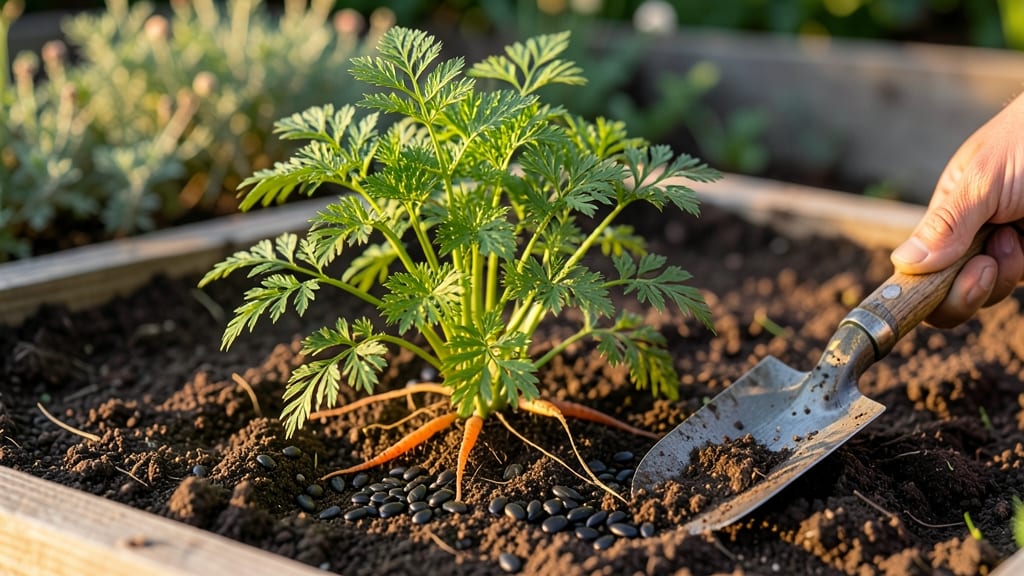
Planting carrot seeds in Zone 7 at the right time means the difference between crisp, sweet roots and bitter, stunted failures.
Picture this: you’ve prepped the soil, thinned the seedlings, and waited patiently—only to pull up tiny, misshapen carrots or watch them bolt into flower stalks before harvest. That’s what happens when timing isn’t right.
In Zone 7, the window for success is narrow but doable, with two key planting periods that avoid the extremes of heat and cold.
Your best bets are early spring, right after the last frost (around March 15), and late summer (July-August), when soil stays warm but days grow shorter. Coastal areas may start a week earlier, while inland spots should wait until soil hits 50°F—a simple test with your finger.
Direct sowing is the way to go; transplants rarely thrive.
Below, I’ll break down the exact deadlines, how to adjust for your microclimate, and the 3 biggest mistakes that sabotage Zone 7 carrot gardens—plus how to fix them before they happen.
Zone 7 carrot planting calendar: exact spring & fall deadlines
Timing is everything when growing carrots in Zone 7. Plant too early, and your seeds may bolt from cool soil temperatures or long daylight hours.
Too late, and pests or frost can ruin your harvest. My exact planting deadlines below ensure you grow sweet, crisp roots all season long.
Carrots thrive in Zone 7’s mild climate, but regional microclimates—like coastal areas with cooler summers or inland zones with hotter summers—require adjustments. I’ll break down the ideal planting windows for both spring and fall, plus how to avoid common pitfalls like bolting or poor germination.
For spring planting, I start seeds indoors or directly sow them 2-3 weeks before the last frost date—typically mid-March in most of Zone 7. Coastal areas can plant slightly earlier, while inland zones with hotter summers should wait until late March to avoid bolting.
Always check your local frost dates and aim for soil temperatures between 45-55°F.
Carrots need consistent moisture to grow straight and sweet. After sowing, keep the soil evenly moist (about 1 inch of water per week) and avoid letting it dry out.
If your spring turns unusually warm, use light shade cloth to prevent bolting. I’ve found that succession planting every 2 weeks until early June ensures a steady harvest.
Fall planting is trickier but rewarding. Start seeds 8-10 weeks before the first frost, which in Zone 7 is usually late July to early August. Inland areas should plant by July 1, while cooler coastal zones can extend planting until mid-August.
Choose short-day varieties like 'Paris Market' or 'Nantes' for fall, as they tolerate cooler temperatures better.
One of my biggest mistakes was planting carrots too late in summer—by August 15, the roots struggled to mature before frost. To avoid this, I now use a planting calendar and mark deadlines for both spring and fall.
Mulching heavily in fall also helps retain moisture and insulate roots from early frosts.
Zone 7’s microclimates can vary dramatically. If you’re in a coastal area, you might have cooler summers and can extend fall planting. Inland gardeners, however, should prioritize early planting to avoid the heat.
Always monitor your soil temperature with a thermometer—carrots won’t germinate well in soil hotter than 85°F.
For a continuous harvest, I plant three successive batches: one in early spring, one in mid-summer, and one in early fall. This way, I enjoy fresh carrots from May through October.
Just remember: thin seedlings properly and keep the soil loose to prevent forked roots—a common issue in rocky or compacted soil.
Finally, don’t forget about pest control. Carrot flies and aphids love young seedlings. I use row covers in early spring and companion plants like onions or leeks to deter pests. With these deadlines and tips, you’ll grow perfectly timed, sweet carrots all season long. 🥕
How to adjust planting times for bolting-free carrots in Zone 7
Bolting—when carrots flower prematurely—turns sweet roots into bitter, stringy disappointments. In Zone 7, the key to preventing this is adjusting your planting schedule to avoid hot weather stress and long daylight hours.
I’ve learned that timing isn’t just about the calendar; it’s about understanding your microclimate and choosing the right varieties for your garden. Let’s break down how to get it right.
First, focus on seed spacing and succession planting to keep your carrots cool and happy. Overcrowding stresses plants, while staggered plantings ensure a steady harvest before summer heat sets in.
I’ve also found that shade cloth can be a game-changer during peak summer months, especially if you’re pushing the limits of your planting window. Let’s dive into the specifics.
- 1. Plant in early spring (March-April) when soil temps are 50-60°F—this gives roots time to mature before summer heat arrives. Use Danvers varieties for cooler weather.
- 2. For fall harvests, sow seeds in late July-August to avoid the hottest months. Nantes varieties handle cooler fall temps better and stay crisp longer.
- 3. Space seeds 1/4 inch apart and thin to 2-3 inches—crowding stresses plants, triggering bolting. Use a seed tape or precision sower for even spacing.
- 4. Use shade cloth (30-50%) if planting in late spring or early fall. This reduces soil temps and slows bolting, especially in inland Zone 7 areas with intense sun.
- 5. Succession plant every 2 weeks from March to July. This ensures a continuous harvest and reduces the risk of bolting from prolonged heat exposure.
Choosing the right carrot varieties makes a huge difference. Danvers carrots, for example, are my go-to for early spring planting because they mature quickly and tolerate cooler soils. In contrast, Nantes varieties are better suited for fall planting—they stay sweet longer and handle the transition to cooler weather gracefully.
I’ve also had success with Paris Market carrots, which are shorter and less prone to bolting in heat.
Another trick I’ve picked up is to mulch heavily around carrot beds to keep the soil cool and moist. A thick layer of straw or shredded leaves can lower soil temperatures by up to 10°F, which is a lifesaver during those 90°F+ days in Zone 7 summers.
Pair this with drip irrigation to avoid wetting the foliage, which can encourage fungal diseases that stress the plants.
Don’t forget about soil preparation. Carrots need loose, rock-free soil to grow straight and sweet. I always work in a 2-inch layer of compost before planting and avoid heavy fertilizers—too much nitrogen will send your carrots into leafy overdrive instead of root production.
A light application of 5-10-10 fertilizer at planting is all you need.
Finally, keep an eye on your daylight hours. Carrots bolt when they sense long days (14+ hours of light), which is common in Zone 7 by late spring. If your plants start sending up flower stalks, harvest what you can and pull the rest to avoid reseeding.
With these adjustments, you’ll enjoy bolting-free carrots from spring through fall—no bitter surprises here! 🥕