
Plants
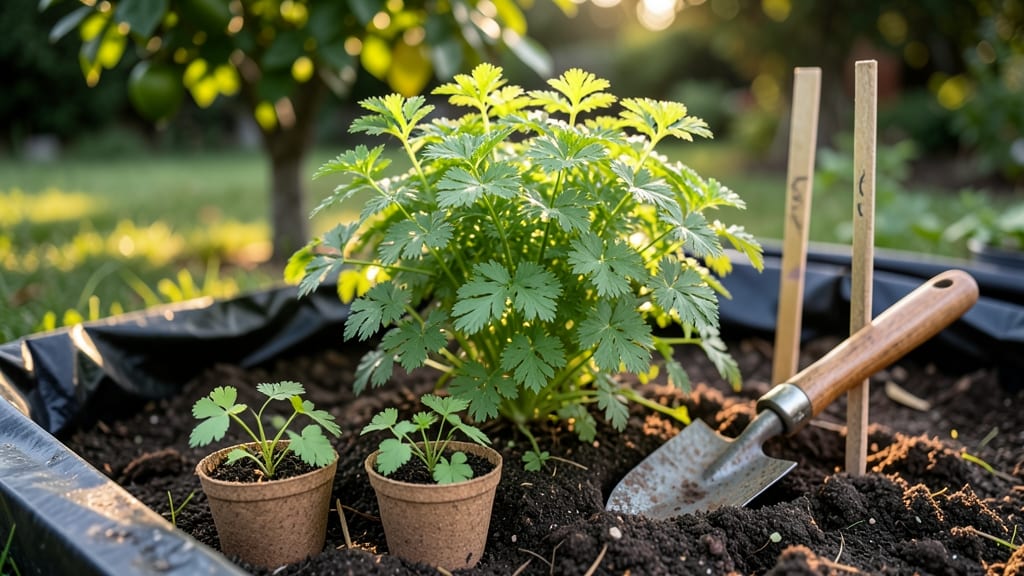
Plant cilantro in Missouri between March 15 and April 30 or from September 1 to October 15 to avoid the heat that turns your herb into bitter bolts.
Missouri’s unpredictable climate can turn cilantro from a thriving herb into a bolting disappointment—if you plant it at the wrong time. Timing is everything for growing bold, flavorful cilantro that lasts beyond the first harvest.
Spring plantings in USDA Zone 5b-6a need to beat the last frost by two weeks, while fall crops must establish roots before October’s chill sets in. Get this wrong, and you’ll spend the summer watching your cilantro 🌿 race to flower instead of delivering that bright, citrusy flavor.
Below, I’ll break down the exact frost-free windows for St. Louis, Kansas City, and Springfield—plus the three key tricks to extend your harvest through Missouri’s sweltering summers.
Best planting months for cilantro in Missouri’s climate zones
Missouri’s diverse climate zones create three distinct planting windows for cilantro, each requiring precise timing to avoid heat-induced bolting. The Show-Me State spans USDA zones 5b-6a, meaning northern regions like Springfield experience earlier frosts than southern areas like St. Louis.
Understanding these microclimates helps you grow cilantro that stays lush and flavorful for months.
Cilantro thrives when soil temperatures stay between 45°F and 75°F, with ideal germination occurring at 60°F-70°F. When daytime temps exceed 80°F, most varieties bolt within 2-3 weeks, turning your herb garden into a seed-producing disappointment.
Missouri’s summer heat makes fall planting your best bet for a prolonged harvest.
In St. Louis, where summers are hotter and longer, focus on late winter to early spring and early fall plantings. The city’s urban heat island effect can push soil temps 5°F warmer than rural areas, so monitor conditions closely.
For Kansas City, cooler nights mean you can push spring planting slightly later, but avoid planting after April 15—the heat arrives faster here than in southern Missouri.
Northern Missouri’s Springfield area offers the shortest growing season, making succession planting essential. Plant 3-week intervals from March through April to maintain a continuous harvest. Remember: cilantro seeds need light to germinate, so never bury them deeper than ¼ inch in soil.
Missouri’s fall cilantro should go in 6-8 weeks before first frost. This gives plants time to mature before cold snaps. In St. Louis, aim for September 1 plantings, while Kansas City gardeners should start by August 25.
Use row covers to extend harvests into November if temps stay above 35°F.
Pro tip: Test your soil before planting—cilantro prefers pH 6.2-6.8. Missouri’s clay-heavy soils often need compost amendment to improve drainage. Poor drainage leads to root rot, which weakens plants and makes them more susceptible to bolting when heat arrives.
For container growing in Missouri’s cities, choose 5-gallon pots with drainage holes. Urban microclimates can be 5°F warmer than surrounding areas, so adjust planting dates 1-2 weeks earlier than rural guidelines. Always use lightweight potting mix to prevent pots from cracking in freeze-thaw cycles.
Remember: Shade cloth (30-50%) can buy you 2-3 extra weeks of harvest in summer. String it up over cilantro beds when daytime temps hit 75°F consistently. This simple trick prevents bolting and keeps your cilantro leafy and flavorful through July.
How to extend cilantro harvests in Missouri’s hot summers
Missouri’s summer heat can turn your cilantro into a bitter, bolting mess—unless you take proactive steps. The key to extended harvests lies in smart succession planting, strategic shade solutions, and selecting the right heat-tolerant varieties.
When temperatures climb above 80°F (27°C), cilantro’s days are numbered without intervention.
I’ve learned the hard way that summer cilantro requires constant attention. The good news? With these practical strategies, you can keep fresh cilantro growing through July and August—just in time for salsa season. Let’s break down the exact steps that work in Missouri’s climate.
- 🌱 Plant every 2 weeks from March 15 to June 1 for continuous harvests. Use shade cloth (30-50%) on new plantings after May 15.
- 🌿 Choose slow-bolting varieties like 'Santo' or 'Calypso'—they tolerate 85°F (29°C) better than standard types. Avoid 'Leisure' in summer heat.
- ✂️ Harvest aggressively—cut outer leaves when plants reach 4-6 inches. This prevents flowering and encourages regrowth for 3-4 weeks longer.
- 💧 Water deeply twice daily during heatwaves (morning and late afternoon). Let soil dry slightly between waterings to prevent fungal issues.
- 🌡️ Use row covers during 100°F+ (38°C+) days. Lightweight fabric reduces soil temperature by 10-15°F and delays bolting by 2-3 weeks.
For succession planting, start your first batch in late March when soil reaches 50°F (10°C). Then, every 14-21 days, sow new seeds until June 1. This staggered approach ensures you always have young, tender cilantro ready for harvest before older plants bolt.
When selecting varieties, prioritize heat-tolerant types. 'Santo' cilantro handles Missouri’s summers better than standard varieties, while 'Calypso' offers a slower bolting rate. I’ve had success with these in St. Louis and Kansas City, where summer heat peaks earlier than in southern Missouri.
Don’t forget about shade solutions. Install 30-50% shade cloth over cilantro beds when daytime highs exceed 85°F (29°C). This simple trick can extend your harvest window by 3-4 weeks without sacrificing flavor. Pair it with daily watering for best results.
With these strategies, you’ll enjoy fresh cilantro straight from your garden through August—just in time for those late-summer recipes. The secret? Stay one step ahead of Missouri’s heat by planning, planting, and protecting strategically. 🌿