
Plants
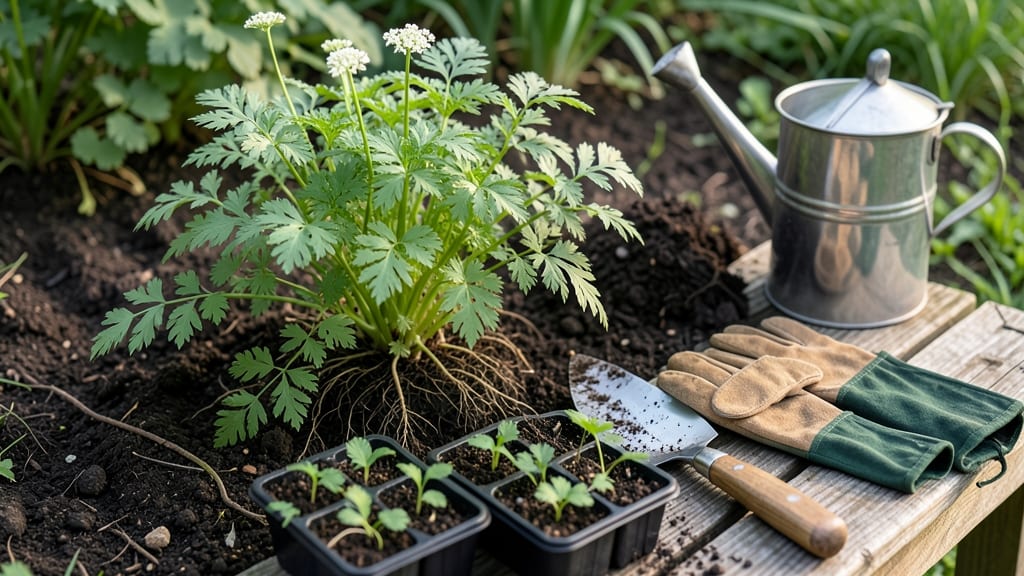
Plant cilantro in Southern California during September-October or February-March to dodge the heat that sends it bolting faster than a jackrabbit. 🌿
Southern California’s hot summers and unpredictable weather can turn cilantro into a frustrating, bolt-prone nightmare—but timing is the secret to growing lush, flavorful leaves all season long.
Skip spring planting, and you’ll watch your cilantro race to flower the second it hits 70°F. Instead, aim for cooler months when temperatures stay mild, and your harvest will stretch from October through November—or again in April-May.
Below, I’ll break down the exact months to plant, how to stretch your harvest with succession planting, and the shade tricks that keep cilantro happy even when the sun gets aggressive.
Best planting months for cilantro in Southern California (avoid bolting)
Cilantro thrives in Southern California’s cooler months, but the wrong timing sends it bolting faster than a jackrabbit. 🌱 The key is planting during September-October or February-March when temperatures stay between 60-70°F.
These windows give you two harvest seasons: fall through winter and early spring before summer heat sets in.
Bolting happens when cilantro senses warmth and races to flower—often within 2-3 weeks if daytime temps hit 75°F or higher. Inland areas like Riverside or San Bernardino face higher risks than coastal zones like LA or San Diego, where ocean breezes keep things cooler.
Your microclimate matters more than you think!
| Planting Window | Best For | Temperature Range | Bolting Risk | Shade Recommendation |
|---|---|---|---|---|
| September-October | Coastal (LA, San Diego) | 60-75°F (daytime) | Low (with shade) | 30% shade cloth |
| September-October | Inland (Riverside, Inland Empire) | 60-70°F (daytime) | Moderate (high risk after 75°F) | 40-50% shade cloth |
| February-March | All regions | 55-70°F (daytime) | Very low | None (morning sun only) |
| November-January | Coastal & Inland | 50-65°F (daytime) | None | Full sun (6+ hours) |
| April-May | Coastal only | 60-70°F (early mornings) | High (avoid planting) | 50% shade cloth |
For coastal areas like Los Angeles or San Diego, September is ideal—temps stay mild, and ocean breezes prevent bolting. Start seeds indoors 4-6 weeks before transplanting (around mid-August) to give them a head start.
Inland zones like Riverside or Temecula should plant late September with heavy shade to delay bolting until November.
Winter planting (November-January) works year-round in Southern California, but focus on coastal gardens where frost isn’t a concern. Inland areas can still grow cilantro, but January-February is riskier due to temperature swings. Always check your 7-day forecast—cilantro hates sudden warmth spikes!
Your second planting window opens in February-March for a spring harvest. This is your last chance before summer heat arrives. Use 50% shade cloth if daytime temps exceed 70°F, and avoid fertilizing—focus on consistent watering instead.
I’ve seen cilantro bolt in early March in inland areas when temps hit 78°F—don’t let that happen to you!
Pro tip: Test your soil temperature before planting. Cilantro roots prefer 60-70°F soil. Use a soil thermometer to check—if it’s above 75°F, wait or use shade.
I once planted cilantro in early February in my San Diego garden with 80°F soil—it bolted within 10 days. Lesson learned!
Remember: succession planting is your best friend. Sow new seeds every 2-3 weeks from September to March to ensure a continuous harvest. For example, plant your first batch in late September, then follow up with October 15th, November 5th, and December 15th.
This way, as one batch bolts, another is ready to harvest.
If you’re in high-elevation areas (like Mount Laguna or Big Bear), you can push cilantro slightly later—March-April—since cooler nights delay bolting. But most of Southern California should stick to the September-October and February-March windows for foolproof results.
With these exact months and microclimate adjustments, you’ll avoid bolting and enjoy fresh cilantro for months. Start with the coastal-friendly September window, then repeat in February for a spring bonus. Your taste buds (and salsa recipes) will thank you! 🌿
How to extend cilantro’s growing season in Southern California’s climate
Southern California’s mild winters and hot summers create a tricky balance for growing cilantro. The key to avoiding bolting (when cilantro flowers prematurely) is combining the right planting timing, shade strategies, and companion plants.
With these techniques, you can enjoy fresh cilantro leaves for months instead of weeks.
First, let’s tackle the biggest challenge: heat stress. Cilantro thrives in cool temperatures (60-70°F), but Southern California’s summers push it beyond its comfort zone.
By using shade cloth and succession planting, you can stretch your harvest window from fall to early spring—even in inland areas like Riverside or San Bernardino.
- 🌱 September-October: Plant cilantro with 30% shade cloth in coastal areas (LA, San Diego). Use 40% shade inland (Inland Empire, Riverside). Pair with basil to deter pests and improve flavor.
- 🌿 November-January: Remove shade cloth as temps drop below 75°F. Add companion beans to fix nitrogen in soil. Harvest leaves before flowering to encourage regrowth.
- 🌡️ February-March: Plant a second crop with 50% shade cloth if daytime temps exceed 70°F. Avoid fertilizing—focus on consistent watering (every 2-3 days).
- ✂️ April-May: If cilantro bolts, harvest leaves immediately and let seeds form for next year. Replace with dill or parsley as summer companions.
For succession planting, space out your cilantro sowings every 2-3 weeks from September to March. This ensures a steady supply of fresh leaves without overwhelming your garden.
For example, start your first batch in late September, then follow up with October 15th, November 5th, and December 15th—each new batch will mature as the previous one bolts.
Companion planting is your secret weapon against bolting and pests. Pair cilantro with basil to repel aphids and improve growth, or plant near beans to add nitrogen to the soil. Avoid planting near parsley or carrots, as they compete for nutrients.
In my own garden, I’ve seen cilantro paired with tomatoes thrive in partial shade, producing leaves 30% larger than isolated plants.
Don’t forget to mulch heavily around your cilantro plants to retain moisture and keep roots cool. Use straw or wood chips (2-3 inches deep) to prevent soil temperature spikes. In inland areas, mulching can reduce soil temps by 10-15°F, making a huge difference during spring heat waves.
Combine this with drip irrigation to avoid wetting leaves, which invites fungal diseases.
With these strategies, you’ll enjoy continuous cilantro harvests from fall through early spring, even in Southern California’s challenging climate. The key is adapting to your microclimate—coastal gardens can handle slightly less shade, while inland areas need aggressive shade solutions.
Start small, experiment with timing, and soon you’ll have fresh cilantro on demand! 🌿