
Trees
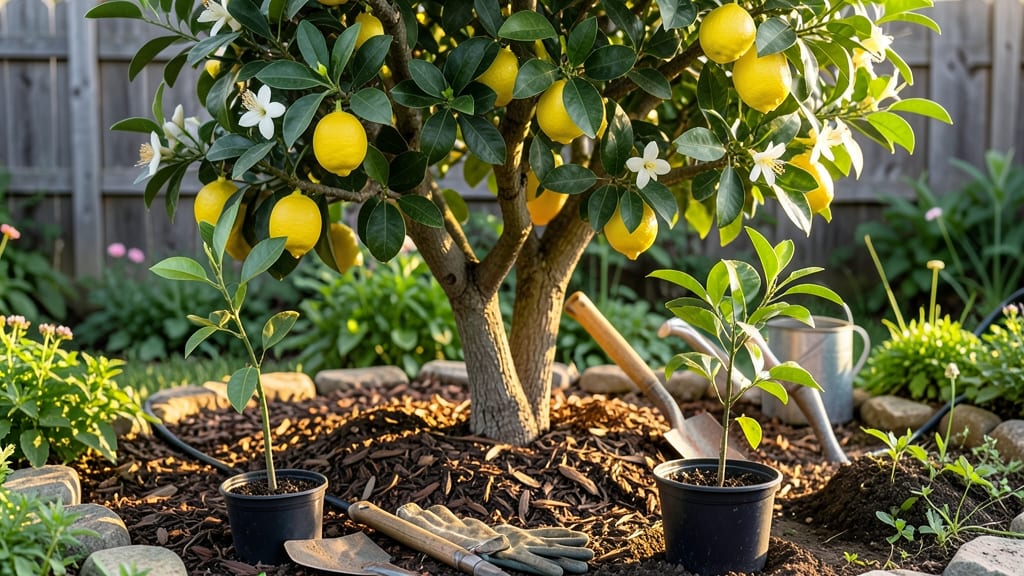
Planting citrus trees in Phoenix between November and February gives them the best shot at thriving in the desert’s extreme heat.
Phoenix’s scorching summers and mild winters create a perfect paradise for citrus trees—but planting them at the wrong time can mean stunted growth or even death. Timing is everything when it comes to establishing these thirsty trees in the desert climate.
If you’ve ever watched a citrus tree wilt under the midday sun or struggle to recover from a sudden cold snap, you know how critical the right season is.
The key is to align planting with Phoenix’s cooler months, when soil temperatures are ideal for root growth and evaporation is minimal.
Below, I’ll walk you through the exact window for planting, how to prep your soil, and the desert-specific care that keeps your 🍊 tree healthy year-round—no guesswork, just results.
Best planting months for citrus trees in Phoenix’s desert climate
Phoenix’s USDA Zone 9b climate offers year-round citrus growing potential, but timing your planting is critical for survival. Unlike temperate climates, Phoenix’s frost-free winters and intense summer heat create unique windows for citrus tree establishment.
Planting outside these windows can lead to transplant shock or heat stress, even for desert-adapted varieties.
Citrus trees thrive when planted during cooler months when soil temperatures remain below 85°F. This allows roots to establish before the 110°F+ summer heat arrives. Phoenix’s microclimates—from urban heat islands to higher-elevation areas—further refine the ideal planting timeline we’ll explore below.
While November through February represent the optimal planting window, Phoenix’s microclimates create opportunities to plant in March or even October—but with caveats. Urban areas like downtown Phoenix stay 10°F warmer than higher elevations, so adjust planting dates accordingly.
For example, Scottsdale Foothills can plant 2-3 weeks later than low desert areas.
Soil temperature is your primary guide. Use a soil thermometer to confirm temperatures stay below 85°F at planting depth (typically 6-8 inches deep). If temperatures exceed this threshold, wait until evening to plant and provide shade cloth for the first 2-3 weeks to reduce stress.
Container-grown citrus trees offer flexibility for planting in March or October, as their root systems are already established. However, bare-root trees planted in summer will experience severe transplant shock due to Phoenix’s intense heat.
If you must plant outside the ideal window, opt for dwarf varieties like Meyer Lemon or Calamondin, which handle stress better.
Phoenix’s lack of frost eliminates winter dormancy concerns, but heat stress remains the biggest threat. Newly planted trees need 3-4 months to establish roots before facing 100°F+ temperatures. During this time, deep watering (15-20 gallons per tree) every 3-5 days is essential to prevent root desiccation.
Pro tip: Plant citrus trees in late afternoon when temperatures drop slightly. This gives roots a 6-8 hour head start before evening cooling. Pair this with mulch (3-4 inches of wood chips) to retain moisture and regulate soil temperature.
Avoid planting near sidewalks or driveways, as roots need 12+ inches of space to escape heat reflection.
For container planting, use fabric pots to prevent root circling and ensure proper drainage. Move containers to shaded areas during peak summer heat (12 PM - 4 PM) until roots establish. Even in Phoenix’s desert climate, citrus trees need protection during their first year from extreme temperature swings.
Remember: Timing isn’t everything, but it’s 90% of the battle in Phoenix’s climate. By aligning your planting with cooler months and soil temperature thresholds, you’ll give your citrus trees the best chance to thrive in the desert’s challenging conditions. 🍊
Critical factors that determine Phoenix citrus planting success
Phoenix’s desert climate creates unique challenges for citrus trees, where soil moisture, heat stress, and seasonal shifts can make or break your tree’s survival. Unlike cooler climates, citrus thrives here year-round—but only if you account for summer dormancy and winter chilling requirements.
One wrong move, like planting in peak summer, can lead to transplant shock or even death.
First, understand that citrus trees need consistent moisture during their first year to establish deep roots. Phoenix’s 100°F+ summers demand extra watering, but overwatering can drown roots just as easily.
The key is deep, infrequent watering—think 15-20 gallons every 3-5 days in summer, tapering off in winter. Without this balance, your tree may struggle to adapt.
Next, consider frost risk, even though Phoenix rarely sees frost. Microclimates near mountains or higher elevations can drop below 32°F, which is deadly for citrus. While most of Phoenix stays frost-free, young trees are more vulnerable.
Protect them with frost cloths or move potted trees indoors if temperatures dip unexpectedly. This precaution is non-negotiable for first-year survival.
⚠️ callout warning
Phoenix’s summer temperatures (105°F+) create heat stress that can kill young citrus trees. Roots struggle to establish when soil temps exceed 90°F, leading to transplant shock. Even mature trees may enter summer dormancy, halting growth. Plant in fall or winter (Nov-Feb) when soil is cooler and moisture retention is higher.
Pro Tip: Use mulch to insulate roots and reduce evaporation. A 3-inch layer of wood chips keeps soil 10°F cooler during peak heat.
Another critical factor is chilling requirements. Most citrus varieties need 200-800 hours below 45°F annually to set fruit. Phoenix’s mild winters (avg. 40°F) often meet this need, but container-grown trees may not get enough.
If you’re growing lemon or lime trees in pots, move them to a garage or shaded patio during winter to ensure proper chilling.
Finally, prepare for seasonal shifts by adjusting care routines. In summer, provide afternoon shade for young trees to prevent leaf scorch, while winter calls for reduced watering and light fertilization.
Skipping these adjustments can lead to nutrient burnout or root rot. Think of it as a year-round game plan—each season demands a different strategy to keep your citrus thriving.
By mastering these critical factors, you’ll give your citrus tree the best shot at long-term success in Phoenix’s extreme climate. Remember: timing, moisture, and microclimates are your biggest allies. With the right approach, your tree will reward you with year-round fruit for decades. 🍊