
Plants
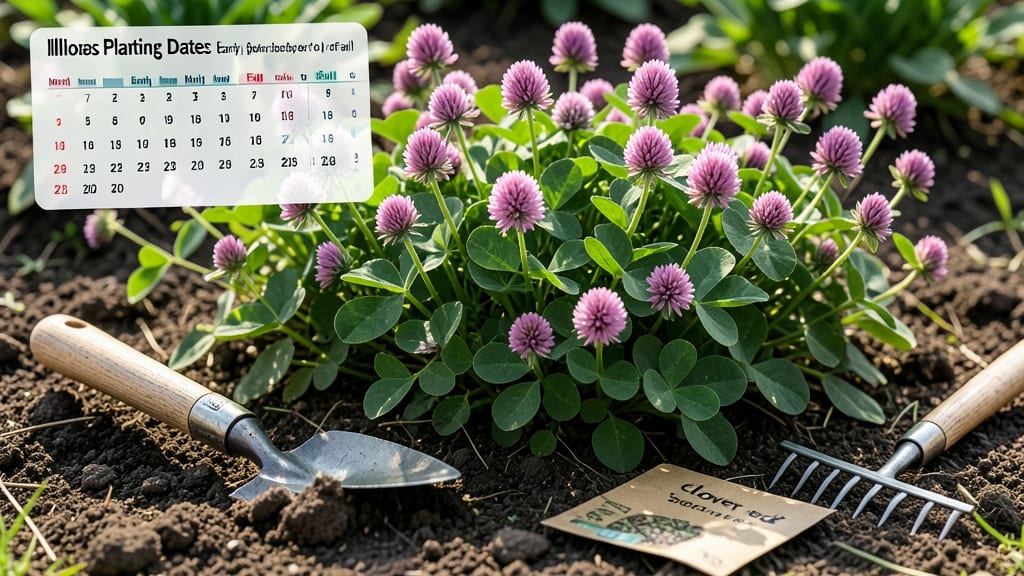
Planting clover in Illinois at the right time ensures a thick, weed-suppressing ground cover that thrives year after year 🌱 — and getting the timing wrong can leave you with bare spots or frost-killed seedlings.
Timing your clover planting in Illinois can mean the difference between a lush, weed-suppressing ground cover and a failed patch—thanks to the state’s unpredictable frost dates and regional microclimates. One wrong move, and you might end up with a patchy lawn or wasted seeds.
For most of Illinois (USDA zones 5-6), the best windows are early spring—after your last frost date (typically mid-April)—or late summer/early fall (August-September). This aligns with soil temperatures that encourage strong root growth, setting your clover up for success.
Below, I’ll break down the exact frost-date math for your region, when to prep your soil, and how to adjust for different clover varieties—so you can plant with confidence and skip the guesswork.
Illinois frost-date zones: best planting months for clover by region
Illinois' USDA zones 5-6 create distinct planting windows for clover, where timing can make or break your ground cover's success. The state's frost dates vary dramatically—Chicago's last frost often comes weeks after rural southern Illinois.
Understanding these regional differences helps you choose between spring vs. fall planting for optimal establishment.
Clover thrives when planted either 4-6 weeks before last frost (early spring) or 6-8 weeks before first frost (early fall).
Illinois' average frost dates range from late April in southern zones to mid-May in northern areas, with first frosts arriving as early as October 10 in Chicago versus late October in southern Illinois.
Here's how to match your planting schedule to Illinois' microclimates—whether you're in Chicago's urban heat islands, St. Louis' river valleys, or rural farmland with different frost patterns.
Pro Tip: Always use a 10-day buffer around frost dates—Illinois' weather is famously unpredictable. Check your local Cooperative Extension Service for year-specific adjustments each season.
| Region | USDA Zone | Avg Last Frost | Spring Planting Window | Avg First Frost | Fall Planting Window |
|---|---|---|---|---|---|
| Northern Illinois (Chicago, DeKalb) | Zone 5b | April 25-May 5 | March 15-April 5 | October 10-20 | August 15-September 5 |
| Central Illinois (Peoria, Springfield) | Zone 5a-6a | April 10-20 | March 1-April 10 | October 15-25 | August 1-September 10 |
| Southern Illinois (St. Louis, Carbondale) | Zone 6a-6b | April 1-10 | February 28-March 25 | October 25-November 5 | August 15-September 20 |
| Urban Heat Islands (Chicago, St. Louis) | Zone 6a (modified) | April 15-25 | March 1-April 5 | October 20-November 1 | August 1-September 15 |
For northern Illinois gardeners (like those in Chicago), focus on late March to early April planting to avoid late spring frosts that can kill young clover seedlings. The urban heat island effect in cities means your frost dates may arrive 1-2 weeks later than rural areas just 20 miles away.
In central Illinois, you have the most flexibility with two reliable windows: early spring (March) or late summer (August). This zone's moderate frost dates make it ideal for both planting strategies, but fall planting often yields thicker establishment before winter.
Southern Illinois' longer growing season lets you plant as early as late February in Zone 6b areas. However, avoid planting before March 1—soil temperatures below 50°F (10°C) slow germination. For fall planting, aim for mid-August to give clover 6-8 weeks to establish before first frost.
Remember: Soil temperature matters more than air temperature for clover germination. Use a soil thermometer to confirm 50°F (10°C) minimum before planting. Most Illinois regions hit this in early April for spring or mid-September for fall.
For overseeding existing lawns, shift your timing 2 weeks earlier
How to adjust planting timing for clover varieties in Illinois
Not all clover varieties thrive on the same schedule in Illinois. White clover and microclover are more adaptable to early spring planting, while red clover prefers cooler fall temperatures. Understanding these differences helps you choose the right timing for your lawn or garden goals.
Soil temperature is your best guide. For spring planting, wait until the ground reaches 50°F (10°C) at a depth of 2 inches. In fall, plant when soil temperatures drop below 70°F (21°C) but before the first frost. This timing ensures strong root establishment before winter.
For overseeding existing lawns, timing depends on your grass type. Cool-season grasses like Kentucky bluegrass respond best to early fall planting (August-September), while warm-season grasses tolerate spring overseeding (March-April). Always mow your lawn short (1-1.5 inches) before spreading seeds for better contact.
Northern Illinois gardeners should prioritize spring planting due to earlier frost dates, while southern regions can extend into early fall.
Use a soil thermometer to verify conditions—this small investment prevents wasted seeds and money. Microclover is particularly forgiving and can even handle light frost, making it ideal for late-season plantings.
Adjust your watering schedule after planting: keep soil consistently moist (not soggy) for the first 4-6 weeks. Reduce frequency once clover reaches 2-3 inches tall, as this signals established roots. Mulch lightly with straw to retain moisture and suppress weeds during critical growth stages.
Remember, white clover spreads aggressively and chokes weeds, while red clover improves soil nitrogen but dies after two years. Microclover offers a middle ground with low maintenance and year-round greenery. Choose based on your long-term goals—weed suppression, soil health, or aesthetic appeal.