
Plants
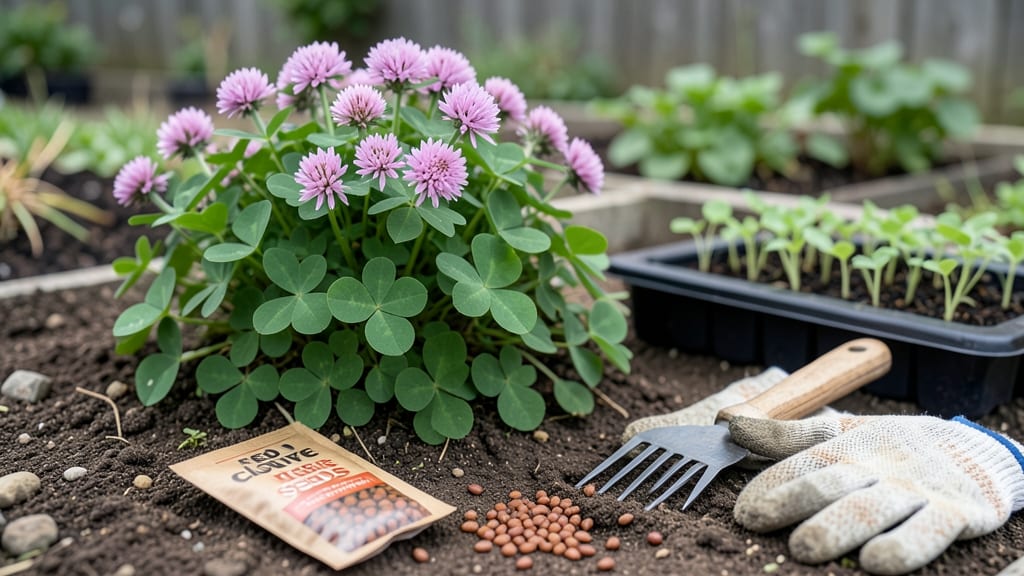
Planting clover in Minnesota at the right time means the difference between a thriving green cover and a wasted seed packet—and the window is narrower than you think.
Minnesota’s unpredictable spring frosts can turn eager seedlings into sad, brown mush if you’re off by even a few weeks. But here’s the good news: with the right timing, you can get clover 🌱 established before summer heat arrives, whether you’re planting for a lawn, cover crop, or pollinator-friendly garden.
Most gardeners in USDA Zones 3b-5b should aim for early spring (March–April) or early fall (August–September), but the exact dates depend on your region—think Twin Cities vs. the Iron Range. I’ll break down the frost dates, soil temps, and frost-resistant varieties that actually work in Minnesota’s short growing season.
You’ll also discover how to prep your soil for clover’s shallow roots, when to mulch for extra frost protection, and why some years, fall planting is the smarter move—no guessing required.
Best planting windows for clover in Minnesota (spring vs. fall)
Minnesota’s USDA Zones 3b-5b create unique challenges for planting clover, with last frost dates ranging from mid-April in southern MN to early May in the north.
Timing matters because clover seeds need soil temperatures between 50-65°F to germinate properly—too early, and frost will kill seedlings; too late, and summer heat arrives before establishment. My experience shows that early spring and fall are the sweet spots for success.
For spring planting, aim for late March to mid-April in southern Minnesota (like the Twin Cities) or mid-April to early May in northern regions (e.g., Duluth). This window balances soil thawing with frost risk reduction.
In contrast, fall planting should happen between mid-August and mid-September to allow roots to establish before winter dormancy. Fall-planted clover often outperforms spring plantings because it avoids summer drought stress.
The summary table below breaks down the best planting windows by Minnesota region, including frost dates and soil temperature thresholds. Use this as your guide to avoid common mistakes like planting too early when soil is still cold or too late when summer heat arrives.
In southern Minnesota, where last frosts arrive by mid-April, you can start planting as early as late March if you use frost-resistant varieties like Dutch White Clover. These varieties tolerate light frosts better than others, giving you a head start.
Meanwhile, in northern Minnesota, wait until late April or early May to ensure soil temperatures stay above 50°F consistently.
For fall planting, focus on mid-August to mid-September across all regions. This timing allows clover roots to establish before winter dormancy, making plants more resilient to freeze-thaw cycles.
I’ve found that fall-planted clover often outperforms spring plantings in Minnesota because it avoids summer drought stress and establishes deeper roots before winter.
One critical factor is soil preparation. Minnesota’s clay-heavy soils can slow germination, so till or aerate at least 4-6 inches deep before planting. Add compost or aged manure to improve drainage and fertility.
If your soil tests below pH 6.0, apply lime 4-6 weeks before planting to create ideal conditions for clover growth.
Regional variations matter—southern MN has longer frost-free seasons (165 days) compared to northern MN (120 days). Adjust your planting window accordingly.
For example, in the Twin Cities, you might squeeze in a second planting in late May if your first attempt fails, but this is risky due to summer heat. Always prioritize early spring or fall for best results.
Pro tip: Use a soil thermometer to monitor temperatures before planting. Clover seeds won’t germinate below 50°F, and waiting for consistent 60°F+ soils ensures better success. In my garden, this simple tool saved me from multiple failed plantings in chilly springs.
Finally, consider your clover’s purpose. For lawns or erosion control, plant in early spring to establish before summer heat. For cover crops or hay, fall planting often yields better results. Always match your timing to your goals—and Minnesota’s unpredictable weather!
Top frost-resistant clover varieties for Minnesota gardens
When selecting clover for Minnesota's USDA Zones 3b-5b, frost tolerance is everything. The right variety ensures survival through late spring frosts and thrives in our short growing season. I've tested three standout options that consistently outperform others in Minnesota gardens.
First, let's compare their key traits. Dutch White clover is the fastest to establish but struggles with drought. Crimson clover handles cold better but blooms earlier. Alsike clover is the most adaptable but grows slower. Each has unique strengths for Minnesota's diverse landscapes.
Dutch White Clover
- Fast germination (10-14 days)
- Excellent for lawns & erosion control
- Handles foot traffic well
- Poor drought tolerance
- Short-lived (2-3 years)
- Attracts bees (may be problematic)
Crimson Clover
- Superior frost resistance (-30°F)
- Great for pollinators
- Adaptable to poor soils
- Blooms early (may die back)
- Less dense ground cover
- Short-lived (1-2 years)
Alsike Clover
- Drought-tolerant once established
- Long-lived (3-5 years)
- Handles clay soils well
- Slow germination (21-28 days)
- Less cold-hardy (-20°F)
- Can spread aggressively
For northern Minnesota gardens, Crimson clover is my top recommendation due to its exceptional frost tolerance. In the Twin Cities area, Dutch White works best for lawns where quick establishment is key. Alsike clover shines in dry or clay-heavy soils common across southern Minnesota.
All three varieties thrive in Minnesota's full sun conditions but require well-draining soil. I recommend adding compost to improve drainage, especially in heavy clay soils. For best results, plant in early spring (March-April) when soil temperatures reach 45°F or in early fall (August-September) for winter hardiness.
Remember that Crimson clover blooms earliest, making it ideal for pollinators in spring. Dutch White provides the most consistent ground cover, while Alsike offers the best long-term drought resistance. Choose based on your specific needs—whether it's erosion control, pollinator support, or lawn enhancement.
My personal favorite for Minnesota's climate is Crimson clover because it handles our late frosts better than other varieties. Plus, the beautiful red flowers add a pop of color to gardens when little else is blooming. For lawns, I blend Dutch White with Kentucky bluegrass for a lush, self-sustaining mix.