
Plants
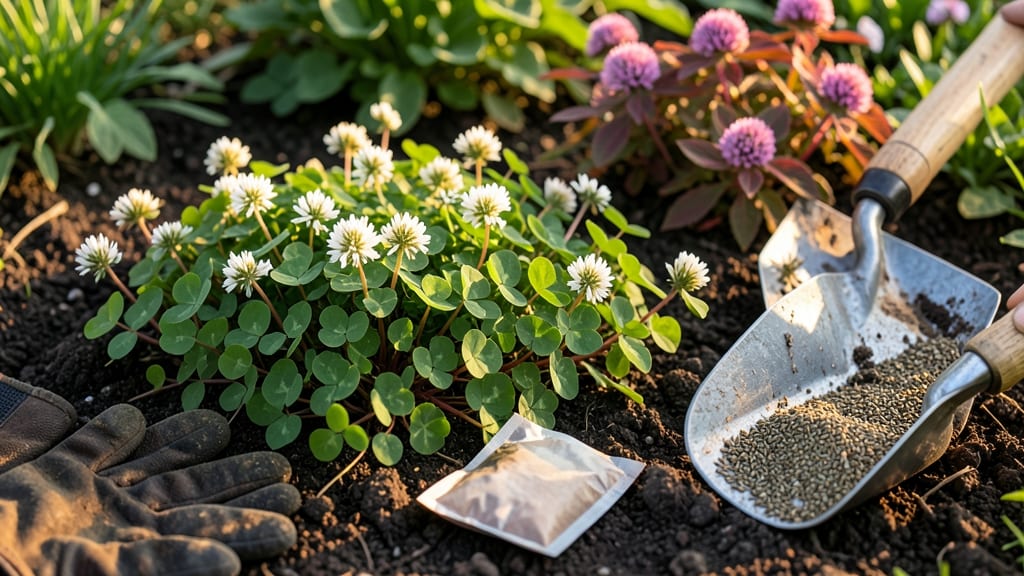
Planting clover in Utah means timing it right for drought-resistant growth—early spring or fall are your best bets, depending on elevation and microclimates.
Utah’s unpredictable climate—hot summers, cold winters, and limited rainfall—can make planting clover a challenging but rewarding task. Timing your clover seeds correctly ensures drought-resistant growth and a lush lawn, but when exactly should you plant in Utah’s unique growing zones?
Most Utah gardeners in zones 5-8 aim for early spring (March-April) or early fall (September-October), when soil temperatures are ideal and frost risks are low. But high-desert areas and mountain regions have different rules—like planting two weeks earlier at higher elevations.
Below, I’ll break down the exact windows for your location, soil prep tips for Utah’s alkaline dirt, and the top drought-resistant varieties that thrive here without extra watering.
Best planting times for clover in Utah’s climate zones
Utah’s diverse climate—from high desert valleys to mountainous regions—creates unique challenges for planting clover. The key to success lies in understanding your specific USDA Zone (5-8) and local frost-free dates.
In Utah, spring planting typically begins after the last frost (mid-April in valleys, later in mountains), while fall planting should occur 6-8 weeks before the first frost (early September in high elevations).
Clover thrives in Utah’s drought-resistant conditions, but timing matters. Planting too early risks frost damage, while waiting too long can stress young plants before winter. Microclimates—like urban heat islands or sheltered valleys—can shift ideal planting windows by 2-4 weeks.
For example, Salt Lake City’s frost-free season runs from mid-April to mid-October, while Park City’s mountainous areas may have only 100 frost-free days.
Spring planting is ideal for white clover and red clover varieties, which establish roots before Utah’s intense summer heat. Fall planting works best for alsike clover, allowing roots to develop before winter dormancy. Always check your local USU Extension office for precise frost dates—these can vary by 500+ feet in elevation within a single county.
For spring planting, aim to sow seeds when soil temperatures reach 50°F (10°C)—a critical threshold for clover germination. In Utah’s valleys, this typically aligns with mid-March, while mountainous areas may need to wait until late May.
Use a soil thermometer to confirm readiness, as cold soils can delay sprouting by 2-3 weeks.
Fall planting offers a second chance for Utah gardeners. Seed clover 6-8 weeks before the first frost (usually early September in valleys, mid-August in mountains). This timing allows roots to establish before winter, resulting in earlier spring growth.
Avoid planting after October 1, as young plants may not survive Utah’s sudden cold snaps.
Utah’s alkaline soils (pH 7.5–8.5) can hinder clover growth, so always test soil before planting. Amend with sulfur or peat moss to lower pH if needed. White clover tolerates Utah’s alkaline conditions better than red clover, making it a top choice for high-desert areas.
For mountainous regions, alsike clover adapts well to cooler, wetter conditions.
Pro tip: Use a seed starter mix to improve germination rates in Utah’s dry soils. Lightly water the seedbed daily until seeds sprout, then reduce to weekly watering once established. Clover’s deep roots help it survive Utah’s limited rainfall, but consistent moisture during establishment is key.
If you’re unsure about your local frost dates, check the Utah Climate Center’s frost probability maps or contact your county extension office. For example, Southern Utah’s frost-free season is 10-15 days longer than Northern Utah’s, giving you a wider planting window.
Adjust your timing accordingly to maximize your clover’s potential in Utah’s challenging climate.
Remember, clover’s drought-resistant nature makes it a low-maintenance choice for Utah lawns. By planting at the right time—whether in spring or fall—you’ll enjoy a lush, green ground cover that thrives in the Beehive State’s unique conditions. Happy planting! 🌱
How to prepare Utah soil for clover planting in spring vs fall
Utah’s alkaline soils and drought-prone conditions demand special preparation before planting clover seeds. Unlike other plants, clover thrives in slightly acidic to neutral soil (pH 6.0-7.0), but Utah’s native soil often tests higher.
Adjusting your soil now ensures better germination rates and healthier growth whether you plant in spring or fall.
Timing matters just as much as soil prep. Spring planting (March-April) gives clover 6-8 weeks to establish roots before summer heat, while fall planting (September-October) takes advantage of cooler temperatures and consistent moisture. Both approaches work, but your method depends on your local microclimate and water availability.
Key preparation steps include testing soil pH, amending with organic matter, and setting up irrigation. Here’s my step-by-step guide tailored to Utah’s unique growing conditions:
🌱 Spring Soil Prep Checklist
- Test soil pH: Aim for 6.0-7.0. Use sulfur or peat moss to lower pH if needed (Utah soils often test 7.5+).
- Add compost: Mix in 2-3 inches of well-aged compost to improve drainage and nutrient content. Clover is nitrogen-fixing, so avoid over-fertilizing.
- Loosen topsoil: Till to 4-6 inches deep to break up compacted layers. Clover roots need air and space to spread.
- Set up irrigation: Install drip lines or soaker hoses for deep, infrequent watering. Utah’s dry winds evaporate moisture quickly.
- Plant seeds: Sow 1/4 inch deep at 1/2 lb per 100 sqft. Lightly rake soil to cover seeds—clover needs sunlight to germinate.
🍂 Fall Soil Prep Checklist
- Test and amend: Follow same pH steps as spring, but add extra compost (3-4 inches) to boost organic matter for winter.
- Mulch heavily: Apply 2-3 inches of straw after planting to retain moisture and insulate roots during Utah’s freeze-thaw cycles.
- Adjust watering: Water deeply but less frequently (every 10-14 days) to encourage deep root growth before winter.
- Avoid late planting: Stop planting by mid-October to allow 4-6 weeks for germination before first frost (mid-October in most of Utah).
For drought-prone areas, consider cover cropping with clover mixed with ryegrass to improve soil structure. The grass provides quick ground cover, while clover fixes nitrogen long-term. This combo works especially well in Utah’s high desert regions where water is scarce.
After planting, monitor soil moisture closely. Clover seeds need consistent moisture to germinate, but Utah’s low humidity can dry them out fast. Use a soil moisture meter to check top 2 inches of soil—keep it evenly moist (not soggy) until sprouts appear (10-21 days).
Once established, clover becomes extremely drought-tolerant, but proper soil prep now sets the stage for years of low-maintenance growth. Whether you choose spring or fall planting, these steps ensure your clover thrives in Utah’s challenging conditions. Happy gardening! 🌿