
Plants
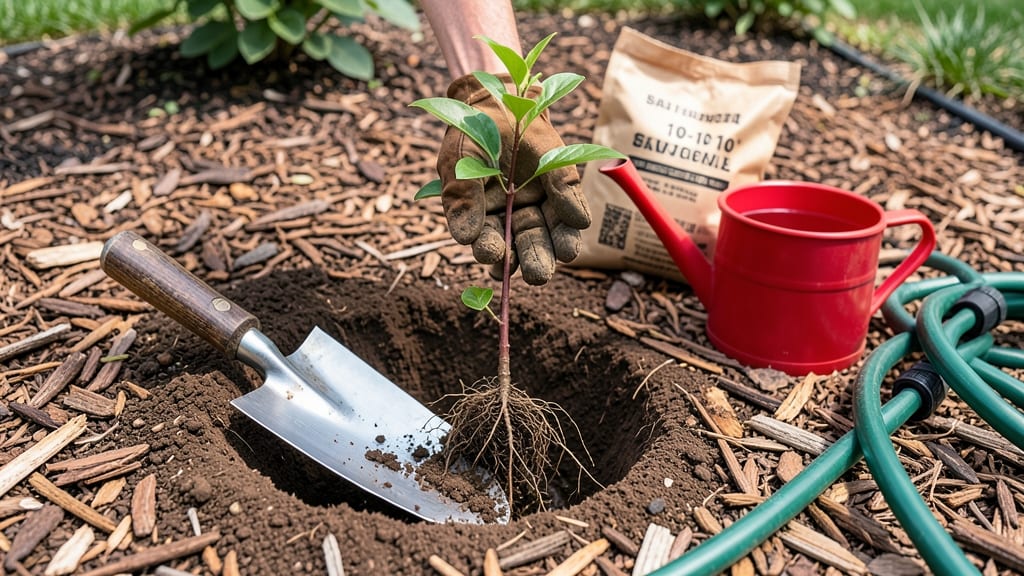
Planting crape myrtles in Oklahoma during late March through April or September to October gives them the best shot at thriving in your 6b-7b zone.
Oklahoma’s diverse microclimates—from the humid Southeast to the arid Panhandle—can make or break your crape myrtle’s success. Planting at the wrong time risks stunted growth, while the perfect window ensures vibrant blooms and decades of beauty.
In this guide, you’ll learn the exact weeks to plant based on your region, how to prep soil for Oklahoma’s clay-heavy areas, and whether to choose bare-root or container-grown plants for your microclimate.
We’ll also cover how to avoid common mistakes like overwatering or planting too early, so your 🌸 crape myrtle grows strong and stays healthy through Oklahoma’s extreme weather.
Oklahoma’s ideal crape myrtle planting windows by region (with exact weeks)
Oklahoma’s three distinct regions—North, Central, and South—each demand unique timing for crape myrtle planting. The Panhandle’s colder nights (Zone 6b) require earlier starts, while Southeast Oklahoma’s longer growing seasons (Zone 7b) allow later fall plantings.
Even nearby cities like Tulsa and Oklahoma City can differ by 2-3 weeks in optimal windows.
Crape myrtles thrive when planted after soil temperatures hit 60°F+ and frost risk has passed. In Oklahoma, this typically means late March to early April for spring plantings.
Fall is equally viable in September-October, giving roots time to establish before winter. Missed windows lead to transplant shock or winter damage.
For North Oklahoma’s Panhandle, aim for April 1-15 when daytime temps consistently reach 70°F+. This region’s shorter growing season demands earlier starts. Use mulch heavily to protect roots from freeze-thaw cycles common in Zone 6b.
Central Oklahoma—home to Oklahoma City and Lawton—offers a 3-week window from March 20 to April 5. Soil testing is critical here due to clay-heavy soils that can suffocate roots. Amend with compost or sand to improve drainage before planting.
In Southeast Oklahoma, including Tulsa and the Arbuckle Mountains, plant between March 15 and April 10. The longer frost-free season (220+ days) allows later starts, but avoid planting after May 1 to prevent summer heat stress during establishment.
Fall plantings should occur 6-8 weeks before first frost. For North Oklahoma, this means September 1-15; Central OK can extend to October 5. South Oklahoma’s window closes October 10 to ensure roots harden before winter. Always water deeply before planting to reduce transplant shock.
Urban areas like Oklahoma City’s downtown create microclimates with 5-10°F warmer soils. Adjust planting 2 weeks earlier in these zones. Reflective surfaces and lack of windbreaks can also increase watering needs by 30%.
Container-grown crape myrtles can be planted 2 weeks later than bare-root varieties, as their roots are already established. However, bare-root plants are cheaper and adapt faster to Oklahoma’s alkaline soils when planted at the optimal window.
Monitor local NOAA frost forecasts and soil temperature gauges for real-time adjustments. In 2023, a late April frost in Lawton delayed plantings by 3 weeks—proof that flexibility is key in Oklahoma’s unpredictable climate.
Use these windows to ensure your crape myrtles bloom spectacularly and thrive for decades, regardless of whether you’re in humid Tulsa or dry Amarillo. 🌸
How to prepare crape myrtles for Oklahoma’s extreme weather before planting
Oklahoma’s clay-heavy soils and temperature swings demand special prep before planting crape myrtles. Whether you’re working with bare-root or container-grown plants, these steps will help your trees thrive despite the state’s drought-prone summers and freezing winters.
Start by testing your soil—most Oklahoma regions have alkaline pH levels (7.0+), which crape myrtles tolerate but prefer slightly acidic (6.0-7.0) for optimal growth.
For Panhandle varieties, focus on drought-resistant root training during the hardening-off process. This region’s intense summer heat (often exceeding 100°F) requires plants to develop deep root systems before transplanting. Meanwhile, gardeners in Southeast Oklahoma should prioritize fungus-resistant soil amendments to combat humidity-related issues like powdery mildew.
If you’re planting bare-root crape myrtles, soak the roots in water mixed with a rooting hormone for 1-2 hours before transplanting. This step is critical for Oklahoma’s dry springs, where soil moisture can drop below 30% within days.
For container-grown plants, water thoroughly 24 hours before moving to reduce transplant shock—especially important in high-wind zones like the Panhandle.
Timing your harden-off period correctly is key. In North Oklahoma, start acclimating plants mid-April for spring planting, while South Oklahoma gardeners can begin late February. For fall planting, September is ideal—early enough for roots to establish before winter but late enough to avoid early frost risks.
Use a soil thermometer to ensure temperatures stay above 60°F for at least 7 days post-planting.
Pro tip: Mulch immediately after planting to protect young roots from Oklahoma’s temperature fluctuations. In drought-prone areas, add a drip irrigation system to deliver 1-2 gallons of water per week during the first growing season. This mimics natural rainfall patterns and prevents root desiccation common in clay soils.
Finally, avoid fertilizing for 6-8 weeks after transplanting, as new roots are sensitive to high nitrogen levels. Instead, use a balanced fertilizer (10-10-10) lightly in late spring to encourage blooming without stressing the plant.
With these prep steps, your crape myrtles will be ready to handle Oklahoma’s extreme weather like a pro! 🌸