
Plants
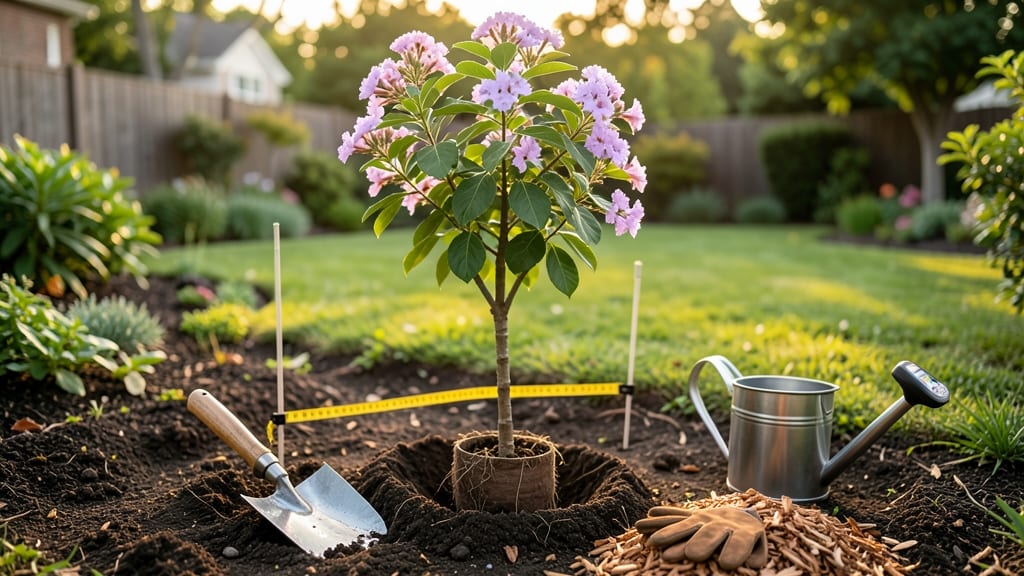
Planting crepe myrtle in North Carolina after the last frost date—typically late March—sets your tree up for a stunning 🌸 display by summer.
Get it wrong, though, and you risk frost damage or stunted growth. The key is timing: too early, and cold snaps will shock the roots; too late, and summer heat stress kicks in before the tree establishes.
Here’s what you need to know about the ideal planting window for your zone, soil prep tricks to speed up root growth, and how to adjust for those unpredictable NC springs.
By the end, you’ll have a clear deadline, a foolproof checklist, and the confidence to plant your crepe myrtle at the perfect moment for blooms that last all season.
NC frost-free deadlines for crepe myrtle by Zone 7a vs 8b
North Carolina's Zone 7a and Zone 8b have distinct frost-free windows that determine when you can safely plant crepe myrtles without risking frost damage. In Zone 7a, the average last frost date falls around April 15, while Zone 8b typically warms up by March 25.
These dates mark the beginning of your 6-week planting window for spring transplants.
Crepe myrtles thrive when soil temperatures reach at least 60°F—a critical threshold for root establishment. In Zone 7a, this usually happens by mid-April, while Zone 8b gardeners can start as early as late March.
Planting too early risks stunted growth or frost damage, especially for young saplings.
Below is a detailed comparison of frost-free deadlines, soil temperature thresholds, and ideal transplant windows for both zones. Use this as your guide to time your crepe myrtle planting perfectly, whether you're in the cooler Piedmont or the warmer Coastal Plain.
🌱
For Zone 7a gardeners, the April 15-May 15 window is ideal, but if spring is unusually late, you can extend planting until June 10.
In Zone 8b, the earlier frost-free date means you can start as soon as late March, but avoid planting before soil warms to 60°F to prevent shock.
Fall planting is another great option, especially in Zone 8b, where you can extend the window until mid-October. In Zone 7a, aim to finish by October 15 to give roots time to establish before winter. Always monitor local weather forecasts for unexpected cold snaps.
Pro tip: Use a soil thermometer to confirm temperatures before planting. Crepe myrtles need warm soil for root growth—don’t rely solely on calendar dates. If your soil is still chilly, wait a few more days or use black plastic mulch to warm it faster.
In both zones, avoid planting during peak summer heat (June-August), as young trees struggle with transplant shock and drought. Instead, prioritize spring or early fall for the best success rate. With these deadlines in mind, you’ll give your crepe myrtle the perfect start!
🌿
Remember, crepe myrtles are drought-tolerant once established, but newly planted trees need consistent moisture. Water deeply 2-3 times per week after transplanting until roots are fully established (typically 6-8 weeks
🪴
Signs your crepe myrtle is ready for planting (and when to wait)
North Carolina's variable spring weather makes timing critical for crepe myrtle success. Unlike annuals, these trees hate transplant shock, so waiting for the right cues prevents stunted growth. I’ve learned the hard way—planting too early in Zone 7a means frost damage, while waiting too long risks summer heat stress.
First, check your soil temperature—crepe myrtles need 60°F+ for 5+ days to thrive. Stick a soil thermometer 4 inches deep in your garden bed. If it’s consistently warm, your tree’s roots will establish faster.
In Zone 8b, this usually happens by mid-April, while Zone 7a gardeners should wait until late April or early May.
Bud swell is another foolproof sign. When your crepe myrtle’s buds begin plumping up like tiny balloons, it’s nature’s way of saying, “I’m ready!” This typically aligns with late April in most of NC, but don’t rush—wait until buds are firm to the touch before planting. Early buds can still be frost-sensitive.
| Sign | Action |
|---|---|
| Soil temp 60°F+ for 5+ days | Plant within 2 weeks |
| Bud swell firm to touch | Ideal planting window open |
| Night temps consistently above 50°F | Safe to transplant |
| Last frost date passed | Check local forecasts for delays |
Don’t ignore weather forecasts, either. I once planted in early April in Zone 7a only to watch a late frost blacken my new saplings. Use the NC State Climate Office’s frost maps (or your local Cooperative Extension) to track trends.
If nighttime lows dip below 32°F after planting, cover young trees with frost blankets for the first week.
For fall planting (another great option in NC), aim for September-October when soil is still warm but days are cooling. Look for yellowing leaves on nearby trees—this signals the tree’s natural slowdown. Plant 6-8 weeks before first frost to give roots time to establish before winter dormancy.
If you’re unsure, container-grown crepe myrtles give you flexibility. These can be planted anytime soil isn’t frozen, even in early spring, as long as you water deeply and mulch heavily. Just avoid summer heat waves—transplanting in July or August stresses roots and slows growth.
Remember: Patience pays off with crepe myrtles. Rushing leads to weak roots and poor blooms, while waiting too long risks heat stress. Trust the soil, buds, and forecast, and your tree will reward you with vibrant blooms for decades. 🌸