
Plants
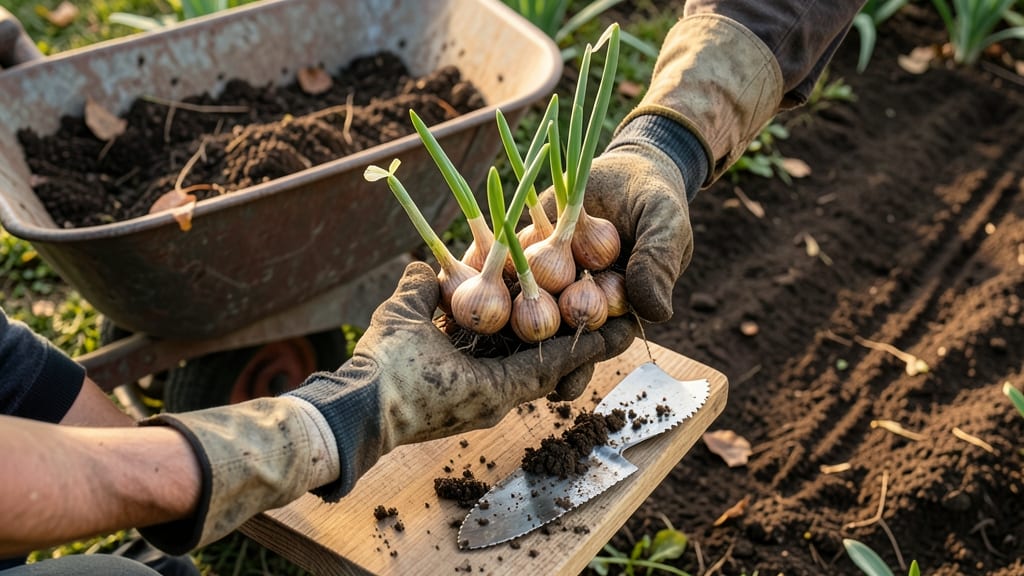
Planting daffodils in Portland, Oregon, means timing them for fall when soil temperatures drop below 60°F—typically between mid-September and early November.
Portland’s mild but unpredictable climate can make timing your daffodil planting tricky—but getting it right means vibrant spring blooms that outshine your neighbors’ gardens. Master the perfect window to plant these hardy bulbs for early, show-stopping color.
With USDA Zone 8b winters and 165 frost-free days, daffodils thrive when planted 6-8 weeks before the ground freezes. That’s why September and October are the gold standard for Portland gardeners.
Below, I’ll walk you through the exact months to plant, how to prep your soil for early blooms, and the best varieties to choose for Portland’s unique microclimates.
Portland Oregon’s ideal daffodil planting months: climate-specific guide
Portland’s USDA Zone 8a/8b climate creates a unique window for planting daffodil bulbs—one that balances mild winters with unpredictable frost. Unlike warmer climates, Portland’s cool, wet winters allow fall planting, but timing is critical to avoid rot from soggy soil or frost damage before roots establish.
Daffodils thrive when planted 6-8 weeks before the ground freezes, typically late September through November in Portland. This timing ensures bulbs develop strong root systems before winter dormancy, leading to earlier and more abundant blooms next spring.
Early spring planting (February) is possible but risks bolting (premature flowering) and weaker plants.
Key factors to consider include soil temperature (below 60°F triggers dormancy) and frost dates (average last frost: December 15). Planting too early (August) may cause sprouting before winter, while waiting until December risks frozen soil that prevents proper bulb placement.
| Planting Window | Soil Conditions | Frost Risk | Bloom Timing |
|---|---|---|---|
| Late September | Warm (60-70°F), well-draining | Low (10% chance) | Early April |
| October | Cool (50-60°F), slightly moist | Moderate (30% chance) | Mid-April |
| November | Cold (40-50°F), firm soil | High (60% chance) | Late April |
| Early Spring (Feb) | Thawing (45-55°F), risky | Very High (80% chance) | May (delayed) |
🌱 Best window: October for balance of root growth and frost protection
For Portland’s microclimates, adjust slightly: Urban areas (warmer due to heat islands) can plant 1-2 weeks later than rural zones. Test soil 2-3 inches deep—if it’s below 50°F, wait. Use a soil thermometer or check Portland’s National Weather Service frost alerts for real-time adjustments.
Bulb selection matters too: Dwarf varieties (e.g., ‘Tête-à-Tête’) plant 3-4 inches deep, while standard daffodils need 6-8 inches. Space bulbs 4-6 inches apart to prevent crowding, which reduces bloom size. Add compost to heavy clay soils common in Portland to improve drainage.
After planting, mulch with 2-3 inches of straw to insulate bulbs from freeze-thaw cycles. Avoid organic mulches like leaves, which can mat and trap moisture. Water deeply once after planting to settle soil, then hold off until spring—overwatering in winter causes rot.
Spring care begins in March when shoots emerge. Apply a light fertilizer (5-10-10) only after 60% of foliage yellows (usually late May), as bulbs store nutrients. Never fertilize in fall—it encourages weak root growth before winter.
Portland’s early spring blooms (March-April) reward precise fall planting. For guaranteed color, pair daffodils with tulips (plant tulips 2 weeks earlier) or crocuses (plant in September only). Both thrive in Portland’s cool, moist conditions and extend your seasonal display.
Remember: Daffodils are deer-resistant, making them ideal for Portland gardens where wildlife browsing is common. Their toxic sap deters pests, so no pesticides are needed. With the right timing, your Portland garden will burst into cheerful yellow and white just as winter’s chill lifts.
How to time daffodil planting for Portland’s microclimates
Portland’s diverse microclimates—from dense urban neighborhoods to rural outskirts—can shift your daffodil planting window by 2-4 weeks. Urban areas with heat island effects may need earlier planting, while higher elevations (like the West Hills) benefit from a delayed schedule.
Understanding these variations ensures your bulbs establish roots before winter’s chill sets in.
Start by checking the National Weather Service’s frost dates for your specific Portland neighborhood. Urban zones like Downtown or Pearl District often experience earlier frosts (late October to early November) compared to rural areas (late November). Adjust your planting timeline accordingly to avoid bulb rot from soggy winter soil.
⚠️ WARNING: Planting Too Late or Early in Portland’s Microclimates
⚠️ Critical Timing Pitfalls
- Urban Heat Islands: Plant 4-6 weeks earlier (late August-early September) to combat warmer soil temperatures that can trigger premature sprouting.
- High Elevations (600+ ft): Delay planting until late October—cooler nights slow root growth, reducing frost damage risk.
- Missed Frost Window: Bulbs planted after November 15 in urban areas may rot before establishing roots.
Use the NOAA’s Portland Climate Normals to verify your local frost dates—urban areas average 10°F colder than rural zones in winter.
For urban Portland gardens, aim to plant daffodil bulbs between mid-September and mid-October. The heat island effect can raise soil temperatures by 5-10°F, causing bulbs to sprout too early.
Choose shadier spots (like under trees) to buffer extreme heat while still getting 6+ hours of sunlight for blooms.
Rural and suburban areas (e.g., Beaverton or Hillsboro) can plant slightly later—late October to early November. These zones benefit from cooler nighttime temperatures and well-draining soils, reducing the risk of bulb rot.
Test your soil’s drainage with a simple percolation test: Dig a 12-inch hole, fill with water, and time how long it drains—ideal is 4-6 hours.
Elevation plays a surprising role: Every 1,000 feet gain in altitude (like in the West Hills) can delay your planting window by 1-2 weeks. Cooler air and shorter growing seasons mean bulbs need more time to root.
For these areas, plant by October 15 at the latest and mulch heavily with 3-4 inches of straw to insulate roots.
Pro tip: Use frost-sensitive varieties (like ‘Tête-à-Tête’) in urban areas—they bloom earlier and tolerate heat better. For rural spots, opt for hardier cultivars (e.g., ‘Carlton’) that handle colder soils. Always plant bulbs 3x deeper than their height (typically 6-8 inches deep) to protect them from temperature swings.