
Plants
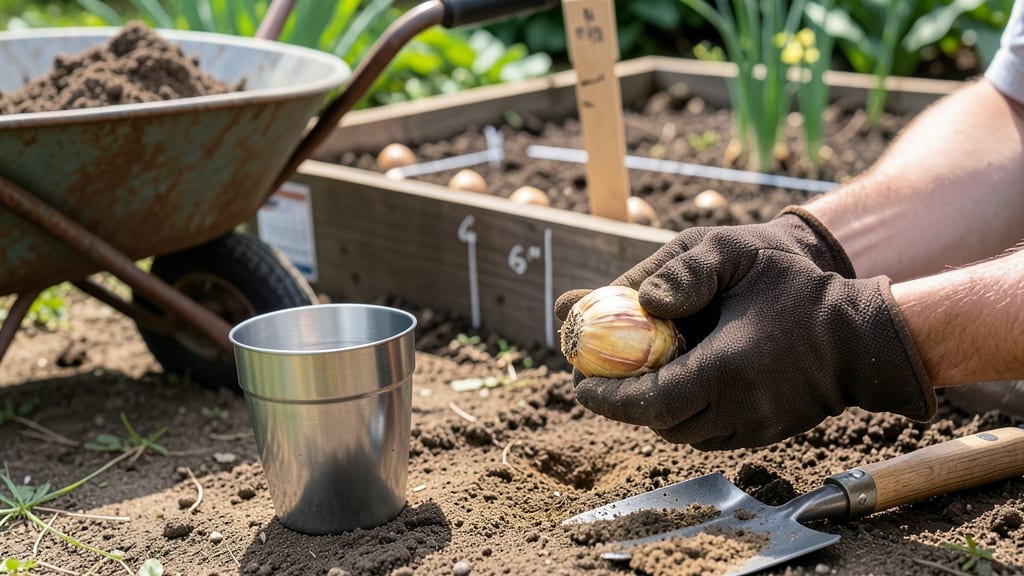
Planting daffodil bulbs in Virginia between October and December is the key to those bright 🌼 blooms next spring.
Timing your daffodil bulb planting in Virginia isn’t just about the calendar—it’s about soil temperature, frost dates, and giving those bulbs the perfect window to establish roots before winter’s chill. Get it wrong, and you’ll miss the spring blooms you’ve been dreaming of.
Virginia’s USDA zones 6a-8a mean your planting window can shift from early October in the warmer coastal areas to late November inland. The soil temperature is the real trigger—wait until it drops to 50°F or below for best results.
Here’s how to nail the timing, adjust for Virginia’s microclimates, and avoid common mistakes that leave your daffodils struggling to break through in spring.
Virginia’s ideal daffodil planting window: soil temperature triggers explained
Planting daffodil bulbs in Virginia requires precise timing because these hardy perennials need 6-8 weeks of root establishment before winter dormancy. The magic happens when soil temperatures drop to 40-50°F—this triggers bulb dormancy while allowing roots to grow.
In Virginia’s USDA zones 5b-7a, this typically falls between mid-September and early November, but your exact window depends on your specific zone and microclimate.
For most Virginia gardeners in zones 6a-7a (covering the Piedmont and Coastal Plain), the ideal planting window is late September through mid-October. This gives bulbs enough time to root before the first hard frost, usually arriving in mid-to-late November.
In colder zone 5b areas (like the Shenandoah Valley), aim for early October planting to avoid winter heaving.
Soil temperature is more critical than calendar dates. Use a soil thermometer to confirm readiness—plant when temperatures consistently stay between 40-50°F at a 4-inch depth. If your soil is still above 50°F in October, wait a week or two.
Conversely, if temperatures drop below 40°F before you plant, your bulbs may struggle to establish roots before winter.
Here’s a quick reference for Virginia’s planting zones and soil temperature triggers:
| USDA Zone | Ideal Planting Month | Soil Temp Trigger (°F) | First Frost Date | Notes |
|---|---|---|---|---|
| 5b (Shenandoah Valley) | Early October | 40-45°F | Mid-November | Plant ASAP after soil cools |
| 6a (Piedmont) | Late September-October | 45-50°F | Late November | Flexible 4-week window |
| 7a (Coastal Plain) | October-November | 50°F+ | Early December | Later planting possible |
If you miss the early fall window, don’t panic—daffodils can handle late fall planting as long as the ground isn’t frozen. In zone 7a (like Norfolk or Richmond), you can plant through early December.
However, bulbs planted after mid-November in colder zones may not establish roots deeply enough, leading to weaker blooms the following spring.
To test soil readiness, insert a soil thermometer 4 inches deep and check daily for a week. If temperatures hover around 50°F at night but drop to 40°F by morning, it’s time to plant. Pro tip: Morning soil temps are more reliable than afternoon readings, as they reflect overnight cooling.
For gardeners in urban heat islands (like Arlington or Alexandria), soil may stay warmer longer. Monitor closely—planting too late can cause bulbs to sprout prematurely in winter, making them vulnerable to frost damage.
If your soil is still above 50°F in November, consider mulching heavily after planting to cool the soil faster.
Remember, daffodil bulbs are hardy to zone 3, but Virginia’s mild winters mean they need that 6-8 week root window to thrive. Plant too early (when soil is still warm), and bulbs may sprout and get fried by frost.
Plant too late, and they won’t root deeply enough to survive winter. Strike that balance, and you’ll reward yourself with vibrant spring blooms year after year.
🌼
How to adjust planting time for Virginia’s microclimates and frost risks
Virginia’s diverse climate—from the coastal plains to the Piedmont mountains—means frost dates and soil temperatures vary dramatically. In Zone 7a (e.g., Richmond), daffodils can handle late fall planting until early December, while Zone 6b (e.g., Roanoke) may need bulbs in the ground by mid-November.
Urban areas like Alexandria experience heat islands that delay frost, giving you extra time, but rural spots can freeze earlier. Adjusting for these microclimates ensures your bulbs establish roots before winter’s chill.
Use the USDA Plant Hardiness Zone Map to pinpoint your region, then check local frost-free date calculators like the National Weather Service or Old Farmer’s Almanac. For example, Norfolk’s coastal zone averages 100 frost-free days later than Blacksburg’s mountain zone.
Planting too late risks bulb rot from winter moisture, while early planting can lead to premature sprouting and weak stems. Balance is key!
- Coastal Virginia (Zones 7b-8a): Plant daffodils through December—cooler ocean breezes delay frost. Example: Virginia Beach can plant until Dec 15 safely.
- Piedmont Region (Zones 6b-7a): Aim for October-November; Roanoke typically freezes by Nov 20, so plant by mid-November.
- Urban Heat Islands (e.g., Richmond): Soil stays 5-10°F warmer than rural areas. Plant 2-3 weeks later than zone guidelines suggest.
- Mountain Zones (Zones 5b-6a): Plant by late October—Abingdon often sees frost by Nov 1. Use mulch to insulate bulbs.
- Last-Minute Planting (After Frost): If you miss the window, plant as soon as soil isn’t frozen (January) and water deeply to encourage root growth.
For last-minute adjustments, prioritize well-draining soil and shade protection if planting after November 15. Add a 2-inch layer of mulch (straw or leaves) to insulate bulbs from freeze-thaw cycles, which can heave them out of the ground.
In Zone 6b, consider container planting for extra flexibility—move pots to a garage or shed if early frost threatens.
Pro tip: Use a soil thermometer to confirm 40-50°F soil temps before planting. If temps drop below 32°F within 4 weeks, your bulbs may not root in time. In coastal areas, wait until after Thanksgiving to avoid hurricane-related delays in soil prep.
Always plant 6-8 weeks before the first hard frost—this rule holds true across Virginia’s zones.
Don’t let unpredictable weather derail your plans. If unseasonably warm fall weather delays planting, store bulbs in a cool, dark place (like a garage) until conditions improve. Conversely, if early frost arrives, prioritize shady, sheltered spots for your bulbs. Virginia’s microclimates offer flexibility—use them to your advantage!
Remember, daffodils thrive on consistency. Whether you’re in Tidewater or the Valley, adjust your planting timeline based on local frost data and soil conditions. With these tweaks, you’ll enjoy vibrant spring blooms year after year—no matter where you garden in Virginia. 🌼