
Plants
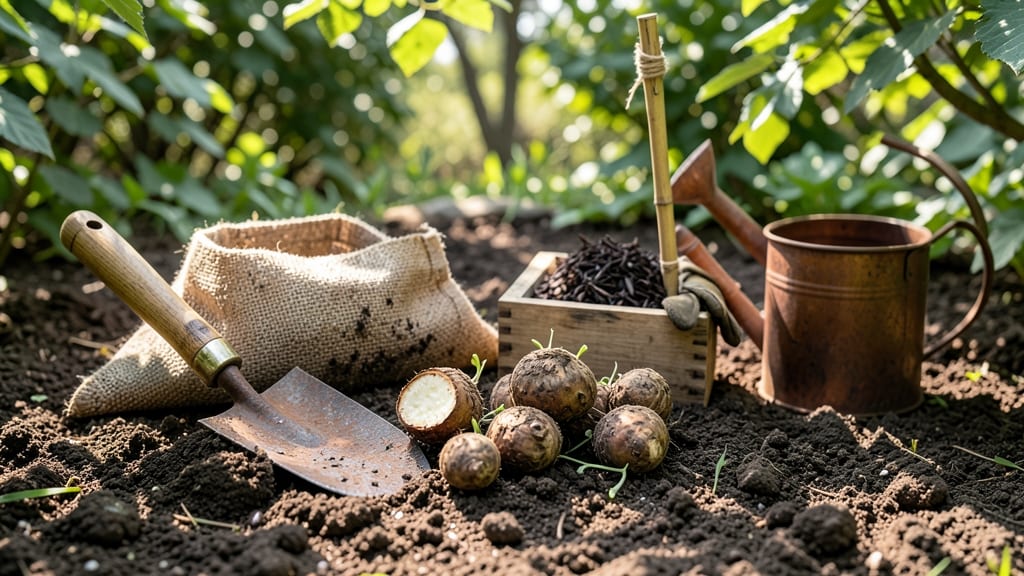
Plant dahlias in Georgia after your last frost date — typically mid-April for most of the state — when soil temperatures hit a steady 60°F.
Georgia’s humid summers and unpredictable spring weather can turn dahlias from stunning blooms into wilted disappointments if you plant them too early. The key to perfect dahlias 🌸 lies in waiting for the soil to warm and the frost risk to fade, not just the calendar date.
Most gardeners in USDA Zones 7b-8b (like Atlanta or Savannah) can start tubers indoors in late February, but transplanting outside only works after the ground stays above 55°F for a full week. That’s usually late April or early May — and yes, it’s worth the wait.
Below, I’ll break down the exact soil temperature tricks to time your planting, how to adjust for Georgia’s regional microclimates, and the 3-step care routine that keeps dahlias thriving all summer.
Ideal soil temperature for planting dahlias in Georgia’s climate zones
Georgia’s diverse climate zones create unique challenges for dahlia growers. In North Georgia (USDA Zone 7b), cooler springs delay planting, while South Georgia (Zone 8a) often sees earlier soil warming. The key to success? Monitoring soil—not air—temperature, which can differ by 10-15°F even in the same yard.
Dahlias are cold-sensitive tubers that rot if planted too early. For tubers, wait until soil reaches a steady 55°F at 4 inches deep—this prevents root rot while encouraging growth. Transplants, however, need warmer soil (60°F+) to establish roots quickly in Georgia’s humid heat, which can stress young plants.
Atlanta’s urban heat islands often warm 2-3 weeks earlier than rural areas, so gardeners in DeKalb or Fulton counties might plant by early April, while North Georgia’s Hall or Banks counties should wait until mid-May. Always check your microclimate—a shaded spot may stay cooler than a sunny bed.
To avoid guesswork, use a soil thermometer ($10 at garden centers). Stick it in the ground where you’ll plant, 4 inches deep, and check it early morning for the most accurate reading. Pro tip: Buried thermometers (like those for compost) give real-time data without daily digging.
Frost risk is your biggest enemy in Georgia. Even if soil is warm, a late-spring freeze (common until April 15 in most regions) can kill emerging dahlias. Use frost cloth if planting early, or wait until May 1 for a safer bet in Zone 7b areas like Dahlonega or Blue Ridge.
| Georgia Region | USDA Zone | Ideal Soil Temp | Planting Window | Key Risk |
|---|---|---|---|---|
| North GA (Atlanta north) | 7b | 60°F+ (transplants) | May 1-15 | Late frost |
| Central GA (Atlanta metro) | 7b-8a | 55°F+ (tubers) / 60°F+ (transplants) | April 15-May 1 | Heat stress |
| South GA (Columbus, Macon) | 8a | 55°F+ (tubers) | March 20-April 10 | Early heat waves |
| Urban Heat Islands (Atlanta, Augusta) | 7b-8a | 60°F+ (transplants) | April 1-15 | Drought stress |
For tuber planting, aim for 55°F soil to kickstart root growth without risking rot. In North Georgia, this typically aligns with late April to early May, while South Georgia can start as early as mid-March in protected microclimates.
If you’re unsure, chit your tubers indoors 8-10 weeks before your last frost date—this gives them a head start.
Transplants, however, need warmer soil (60°F+) to avoid transplant shock. In Atlanta’s urban areas, where pavement retains heat, you might plant 2 weeks earlier than rural Forsyth County. Always harden off transplants for 5-7 days before planting to reduce
Step-by-step planting schedule: when to start tubers vs. transplants
Georgia’s USDA Zones 7b-8a mean your dahlia planting window shifts slightly depending on whether you’re in North Georgia (Zone 7b) or South Georgia (Zone 8a). Timing is everything—plant too early, and frost will kill your tubers; too late, and you’ll miss peak blooming season.
The key is balancing soil temperature (60°F+) with frost risk, which varies by county.
For tubers, start the process indoors 8-10 weeks before your last frost date to give them a head start. This means chitting (pre-sprouting) tubers in late January to early February for most of Georgia.
If you’re using transplants, wait until after your last frost date—typically mid-April to early May—when soil temperatures consistently stay above 60°F.
Georgia Dahlia Planting Timeline
- 1 Late January–Early February (8-10 weeks before last frost): Chit tubers indoors in a bright, warm spot (65-70°F). Place tubers on a tray with the eyes facing up and cover with a thin layer of soil. Expect sprouts in 4-6 weeks.
- 2 Mid-March (6-8 weeks before last frost): Harden off chitted tubers by moving them outdoors during the day (50°F+) and back indoors at night for 1-2 weeks. This prepares them for transplanting shock.
- 3 Mid-April–Early May (after last frost, soil 60°F+): Plant tubers 4-6 inches deep in well-draining soil, spacing them 12-18 inches apart. For transplants, wait until soil is 65°F+ and plants have 3-4 true leaves.
- 4 First 2 Weeks After Planting: Water deeply every 3-4 days to encourage root growth. Apply a light mulch (2-3 inches) of straw or pine needles to retain moisture and regulate soil temperature.
- 5 June–July (Peak Growth): Fertilize with a balanced 5-10-10 fertilizer every 4-6 weeks to support blooming. Stake tall varieties (e.g., ‘Karma Choc’) to prevent flopping in Georgia’s humid heat.
Georgia’s county-specific frost dates can vary by 1-2 weeks. For example, North Georgia (Zone 7b) like Dahlonega or Blairsville typically sees its last frost around April 15, while South Georgia (Zone 8a), including Savannah or Valdosta, averages March 20.
Check your local extension office for precise dates, or use the Almanac’s frost calculator.
After planting, focus on consistent moisture and support structures. Dahlias in Georgia’s clay-heavy soils need organic matter (compost or aged manure) to thrive. Once established, they’ll reward you with summer-to-fall blooms that outshine many other perennials.
Just remember: Patience pays off—rushing the process risks weak plants and fewer flowers.
For transplants, opt for 6-inch pots with well-developed roots from a reputable nursery. Avoid planting before May 1 in North Georgia or April 15 in South Georgia, as cooler soils slow root growth and increase disease risk.
If you’re in a microclimate (like a sheltered urban garden), you might plant 1-2 weeks earlier.