
Plants
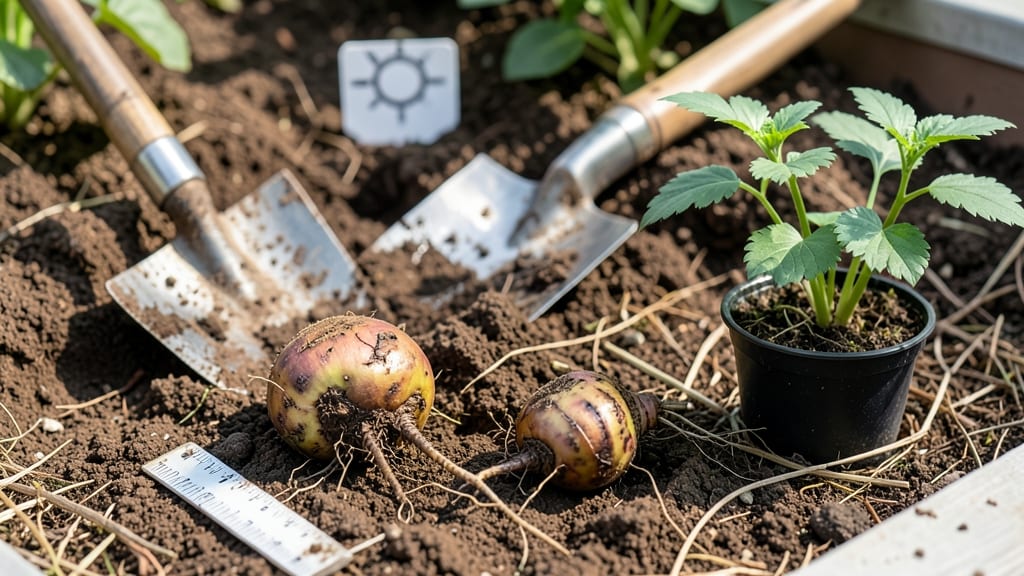
Plant dahlias in Tennessee after your last frost date — typically between April 15 and June 1, when soil temperatures hit 55-60°F.
Tennessee gardeners know timing is everything—plant too early, and frost will ruin your blooms; too late, and you’ll miss peak summer color. Mastering the perfect window ensures vibrant 🌼 dahlias all season long.
In Zone 6a-7b, last frost dates vary by region: Nashville and Middle Tennessee usually clear by early April, while East Tennessee (like Knoxville) may wait until late April. West Tennessee’s warmer microclimates can start earlier, around mid-April.
Here’s how to prepare tubers, avoid common mistakes, and adjust for Tennessee’s unpredictable spring weather—so your dahlias thrive from July through October.
Tennessee’s ideal dahlias planting window by soil temperature and last frost dates
Timing your dahlias correctly in Tennessee means the difference between a lush summer display and frost-nipped failures. Since Tennessee spans USDA Zones 6b-7a, your planting window varies by region—East Tennessee’s cooler springs delay planting, while West Tennessee’s earlier warmth allows earlier starts.
The key? Wait until soil reaches 55-60°F and all frost risk has passed.
Dahlias thrive with 180-220 frost-free days, so planting too early risks late spring frosts (common in Nashville and Knoxville), while waiting too long cuts your blooming season short. Let’s break down the perfect window for your Tennessee microclimate—plus city-specific deadlines to avoid common mistakes.
| Region | Last Frost Date (Avg.) | Soil Temp Threshold | Ideal Planting Window | Notes |
|---|---|---|---|---|
| East TN (Knoxville, Johnson City) | April 15 | 55°F (consistent) | May 1 - May 15 | Later frosts; use row covers for early starts. |
| Middle TN (Nashville, Murfreesboro) | April 1 | 58°F (consistent) | April 20 - May 10 | Moderate risk; monitor forecasts for late frosts. |
| West TN (Chattanooga, Memphis) | March 25 | 60°F (consistent) | April 1 - April 15 | Earliest window; heat stress possible if planted too soon. |
| All Regions | N/A | 55-60°F | After May 15 (last resort) | Reduced blooms; prioritize heat-tolerant varieties. |
For Nashville gardeners, aim to plant after April 20—this gives your dahlia tubers time to establish roots before summer heat arrives. Check soil temps with a soil thermometer (or press your finger in: if it feels warm to the touch, it’s ready!).
In Knoxville, wait until May 1 to avoid late frosts that can blacken young shoots overnight.
West Tennessee’s earlier window means Memphis and Chattanooga gardeners can start as early as April 1, but beware of heat stress if temps spike above 85°F before roots establish.
Use shade cloth or mulch to protect tubers until they’re fully rooted. Pro tip: Harden off tubers indoors for 1-2 weeks before planting to reduce transplant shock.
If you’re in a high-elevation area (like Great Smoky Mountains), extend your window to late May—cooler microclimates delay soil warming.
Test your soil’s readiness by placing a thermometer at 4-inch depth; dahlias won’t thrive until it hits 55°F consistently for 3+ days. Clay-heavy soils (common in Tennessee) can stay cold longer—amend with compost to improve drainage and warmth.
Missed the ideal window? Don’t panic! You can still plant through early June, but expect smaller blooms and less vigor. For a second flush of flowers, choose heat-tolerant varieties like ‘Café au Lait’ or ‘Thomas Edison’—they handle Tennessee’s summer heat better than delicate types.
Just water deeply 2-3 times per week to compensate for the shorter growing season.
Remember: Dahlias are tuber plants, not seeds, so they need time to sprout—count on 60-90 days from planting to first bloom.
If you plant in late May, you’ll still enjoy summer and fall color, but for maximum impact, stick to the early window and prioritize soil prep in March (yes, even in winter!).
Use a planting calendar to track your local last frost date and soil temps—many Tennessee extension offices (like UT Ag Extension) provide free frost maps. Mark your calendar for April 15 as the earliest safe date in most of the state, and adjust based on your microclimate.
With the right timing, your dahlias will reward you with bold blooms from July through frost.
🌼
How to prepare dahlias for Tennessee’s unpredictable spring weather
Tennessee’s spring weather is famously fickle—one day warm and sunny, the next a surprise frost. Dahlias, with their delicate tubers, need special care to thrive in these conditions.
The key is hardening off your tubers and preparing them for the 4-6 inch planting depth that works best in our clay-heavy soils. I’ve learned the hard way that rushing this process leads to stunted growth or frost damage.
Start by chilling your dahlias in a cool, dark place for 2-4 weeks before planting. This mimics Tennessee’s natural temperature shifts and helps prevent shock when you finally plant them outdoors.
Use a well-draining mix of compost and native soil to improve our notorious clay texture. Without this prep, your dahlias might struggle to establish roots before summer heat arrives.
Even after your last frost date, unpredictable late frosts can still hit Tennessee gardens (especially in higher elevations). Wait until soil temperatures consistently reach 55-60°F—use a soil thermometer to check! Planting too early in cold soil can cause root rot or stunted growth. In Nashville, this typically means mid-April, but Knoxville may need to wait until early May.
When planting, bury dahlia tubers 4-6 inches deep with the eyes (growth points) facing upward. Tennessee’s clay soil retains moisture well, but you’ll still need to mulch heavily (3-4 inches) with straw or shredded leaves to protect young shoots.
This mulch layer also helps regulate soil temperature, preventing heat stress during our sudden summer heatwaves.
After planting, avoid watering from above—water at the base to keep foliage dry and prevent fungal diseases like powdery mildew, which thrives in Tennessee’s humid springs.
Use a drip irrigation system or soaker hose for consistent moisture without wetting the leaves. I’ve seen dahlias wither within days when overwatered or splashed with water.
For extra protection, consider floating row covers or cloches during the first 2-3 weeks after planting. These lightweight covers shield tender shoots from late frosts (which can occur as late as May in some areas) and heatwaves that spike overnight.
Remove covers during the day to allow sunlight, but leave them in place if a frost warning appears.
Finally, feed your dahlias with a balanced fertilizer (like 5-10-10) once they’ve established 4-6 inches of new growth. Tennessee’s clay soil often lacks organic matter, so amend it with compost before planting.
This gives your dahlias the nutrients they need to bloom abundantly from July through October—just in time for Tennessee’s fall festivals!