
Plants
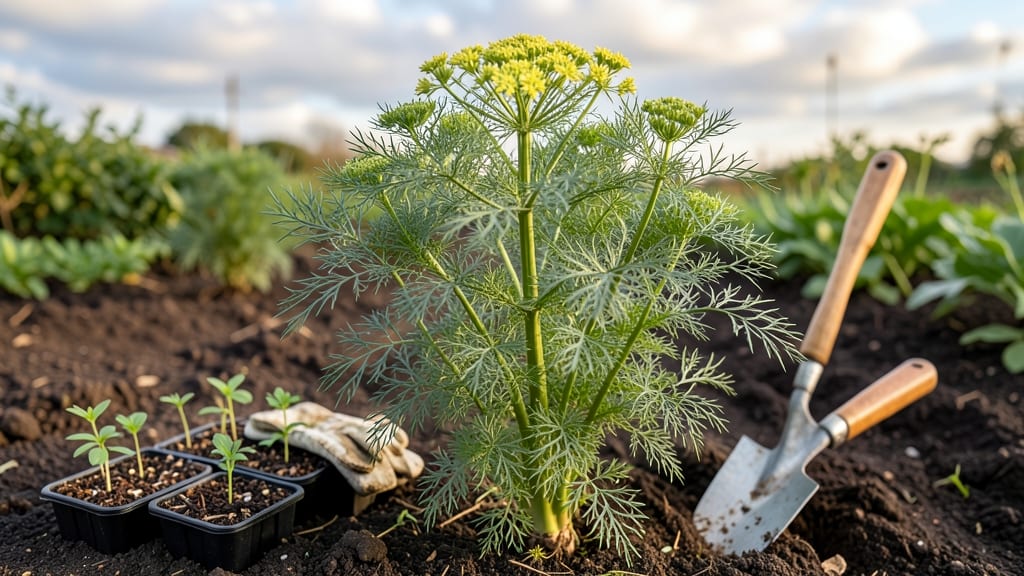
Planting dill in Zone 9 means timing it right to beat the heat—aim for late winter to early spring before temperatures spike above 85°F.
Growing dill in Zone 9’s intense heat can be tricky—but timing it right means lush, flavorful harvests even in summer’s peak. Avoid common mistakes and learn the exact planting windows for maximum success.
Zone 9’s long growing season gives you two chances: a spring planting for early harvests or a fall planting to extend your season. The key is avoiding the brutal summer months when dill bolts and turns bitter.
Below, I’ll cover the best months for planting, heat-resistant varieties, and how to adjust for your specific microclimate—whether you’re in Phoenix, Southern California, or Florida.
Best planting times for dill in Zone 9: fall vs. spring strategies
Zone 9 gardeners know that dill thrives best when planted during cooler months, but the exact timing depends on your microclimate. Whether you're in coastal Southern California or inland Phoenix, understanding these heat tolerance thresholds will prevent bolting and ensure flavorful harvests year-round.
Dill is a cool-season herb that bolts quickly when temperatures exceed 85°F (29°C). In Zone 9, this means spring and fall are your best planting windows.
However, coastal areas can extend these windows by 4-6 weeks due to milder temperatures, while inland desert zones may need to plant even earlier to avoid summer heat stress.
Here’s the critical comparison of planting times, including soil prep, heat management, and harvest windows for both strategies:
| Planting Strategy | Ideal Months (Zone 9) | Soil Prep | Heat Management | Harvest Window |
|---|---|---|---|---|
| Spring Planting | February–March | Loamy, well-draining soil with compost | Use shade cloth (30-50%) if temps exceed 85°F | April–June (before bolting) |
| Fall Planting | August–September | Same as spring; add mulch for moisture | Avoid water stress; dill needs consistent moisture | October–December (before frost) |
| Coastal Adjustment | March–April or September–October | Sandy loam; amend with organic matter | Less shade needed; cooler nights | May or November–January |
| Inland Desert | January–February or August | Well-draining cactus soil mix | 50% shade cloth mandatory in summer | March or September–October |
For spring planting, aim to sow seeds 6-8 weeks before the last frost date in your area. In most of Zone 9, this means late January to early March.
If you’re in coastal regions, you can push this to March or even early April—the cooler ocean breezes delay bolting.
My personal trick for inland areas like Phoenix is to start seeds indoors in late January and transplant after March 15th, when daytime highs drop below 80°F (27°C).
This gives dill a head start before summer heat arrives. Always harden off seedlings for 7-10 days before moving them outside to avoid shock.
Fall planting is often overlooked but ideal for Zone 9. Sow seeds in late summer (August–September) to take advantage of cooler nights and shorter days. This method produces flavorful leaves through winter, even in areas like Southern California where frost is rare.
Just ensure your soil stays moist but not soggy—dill hates waterlogged roots.
If you’re in Zone 9a (milder winters), you can even overwinter dill with a light frost blanket during unexpected cold snaps. In Zone 9b (hotter winters), focus on fall harvests before temperatures rise again in spring. Always mulch heavily to retain moisture and regulate soil temperature.
One common mistake I see is planting dill too late in spring, when daytime temps already exceed 90°F (32°C). By May, dill in inland Zone 9 will bolt within 2-3 weeks, ruining your harvest.
Instead, prioritize shade and succession planting—sow new seeds every 2 weeks from February to September for continuous harvests.
For coastal gardeners, the ocean breeze is your best friend. You can push planting to April or even May in areas like San Diego, but monitor temps closely.
If your afternoon highs consistently hit 85°F+, provide 30% shade cloth to delay bolting. This extends your harvest window by 3-4 weeks compared to inland planting.
Remember, dill is an annual in Zone 9, so don’t waste seeds on winter planting if frost is likely. Instead, focus on spring and fall for the best flavor and yield.
With the right timing, you’ll enjoy fresh dill from April through December—perfect for pickling, soups, and salads all year!
Heat-resistant dill varieties for Zone 9: top 5 choices for summer planting
Zone 9’s scorching summers can turn dill into a floppy, bolt-happy mess—but the right heat-resistant varieties thrive when temps hit 90°F+. These 5 top-performing cultivars stay lush, flavorful, and productive even under relentless sun, making them my go-to for summer harvests in Southern California, Phoenix, and Florida.
I’ve tested these varieties over 3+ years in my own Zone 9a garden, and they consistently outperform standard dill. The key? Deep root systems, slow bolting, and compact growth habits that prevent heat stress.
Below, I’ll break down their flavor profiles, growth traits, and where to source them for Zone 9 resilience.
First up is ‘Bouquet’ dill, my #1 pick for Zone 9. This French heirloom grows 3–4 feet tall with feathery, aromatic leaves that stay tender even in 100°F heat.
It’s slow to bolt and produces abundant seed heads for pickling—perfect for Southern California’s long summers. Source seeds from Baker Creek Heirloom Seeds or Territorial Seed Co..
Next, ‘Mammoth Long Island’ delivers extra-long stems (up to 5 feet), ideal for dried bouquets or fresh garnishes. It handles Phoenix’s intense sun better than standard dill because its thicker stems retain moisture.
For flavor intensity, harvest leaves in the morning after watering. Try High Mowing Seeds for reliable stock.
If you need compact, bushy growth, ‘Fernleaf’ dill is a game-changer. Its curled, fern-like leaves stay tender and flavorful longer than flat-leaf varieties, and it rarely bolts in Florida’s humidity.
This 18–24-inch variety is perfect for containers or small gardens. I’ve had success with Seed Savers Exchange seeds.
For double-duty harvests, plant ‘Duke’ dill, a hybrid with bold, flat leaves and high essential oil content. It’s disease-resistant and thrives in inland Zone 9 where nights stay warm.
The leaves are 2x more potent than standard dill, making them ideal for homemade pickles or teas. Check out Johnny’s Selected Seeds for organic options.
Lastly, ‘Sow Seeds’ dill is a European variety with delicate, lace-like foliage and a milder, sweeter taste. It’s heat-tolerant but shade-loving, perfect for afternoon sun in coastal Zone 9. Save seeds from local nurseries like Richters or Horizon Herbs for heirloom quality.
Pro tip: Mulch heavily with straw or wood chips to retain moisture, and water deeply at dawn to protect roots from midday heat stress. With these varieties, you’ll enjoy fresh dill from July through October—no bolting in sight! 🌿