
Plants
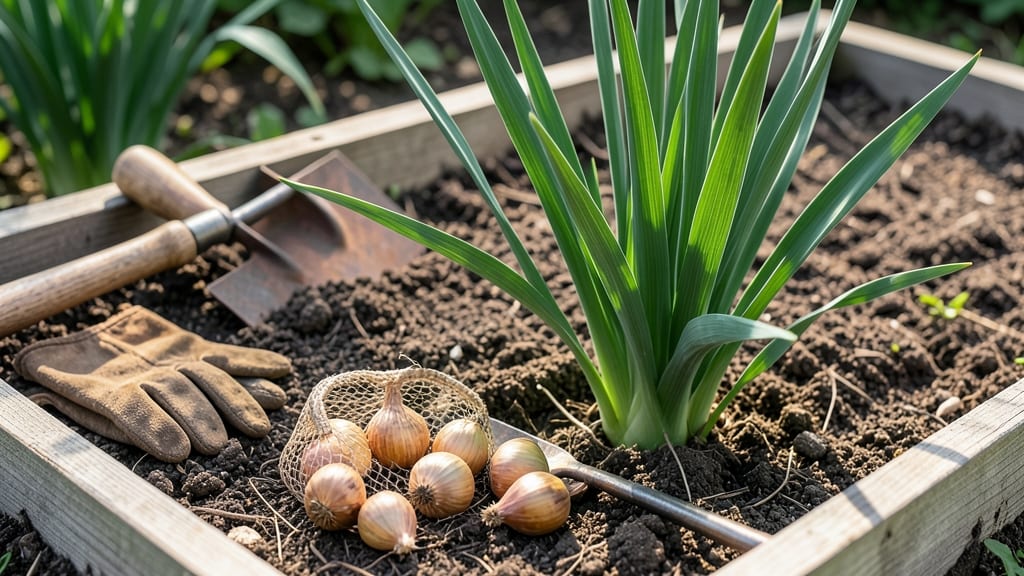
Planting gladiolus bulbs in Wisconsin after the last frost date ensures 90-day blooms that light up summer gardens 🌸 — but timing is everything when frost can linger into May.
Wisconsin’s unpredictable frost dates can turn gladiolus planting from a sure bet into a risky gamble—but timing these bulbs just right guarantees vibrant summer blooms in exactly 90 days. Master the frost-date math to avoid early freezes or late-season heat stress.
Most of Wisconsin falls in USDA Zone 5a, where the average last frost arrives between mid-to-late May. Planting too early risks frost damage, while waiting too long cuts bloom time short. The key is aligning your planting window with soil temperatures and local frost records.
Below, I’ll break down the exact frost-date math for Wisconsin’s three zones, soil prep tricks to speed up warming, and how to choose varieties that thrive in short seasons. Ready for sturdy stems and bold blooms by July?
Wisconsin’s gladiolus planting windows by frost zone (with exact dates)
Gladiolus bulbs need 90 days of warm soil to bloom, making Wisconsin’s frost zones critical for timing. Plant too early, and frost will damage tender shoots; too late, and blooms arrive when summer heat arrives. The solution? Align planting with soil temperature thresholds and last frost averages for your zone.
Wisconsin spans USDA Zones 3A-5A, with Zone 3A facing the shortest growing season. In Zone 5A, you’ve got a slightly longer window—but don’t relax.
A late frost in May can still wipe out early plantings. The key is calculating your 90-day bloom window backward from your first expected frost.
Here’s how to pinpoint your exact planting window using Wisconsin’s frost data. Use this table to match your zone, then plant bulbs 4-6 weeks before your target bloom date to ensure vibrant summer flowers.
| Zone | Last Frost Date (Avg.) | Soil Temp. Threshold | Planting Window | Bloom Window |
|---|---|---|---|---|
| 3A (Northern WI) | May 15 | 55°F (13°C) | April 15–May 1 | July 15–August 15 |
| 4A (Central WI) | May 1 | 55°F (13°C) | April 1–April 15 | July 1–August 1 |
| 5A (Southern WI) | April 25 | 55°F (13°C) | March 20–April 5 | June 25–July 25 |
For Zone 3A gardeners, aim to plant by May 1 to avoid frost damage. Wait until soil reaches 55°F (13°C)—use a soil thermometer to confirm. In Zone 5A, you can start as early as March 20, but cover bulbs with mulch if nights dip below freezing.
Pro tip: Stagger plantings every 2 weeks to extend your bloom time. Early plantings (March/April) yield July blooms, while late plantings (May) produce August/September flowers. This strategy works especially well in Zone 4A, where frost dates vary wildly.
Watch for soil warmth, not air temperature. A 55°F soil is the magic number—gladiolus bulbs won’t sprout until then. In Zone 3A, this often means waiting until late April, even if air temps feel spring-like. Use black plastic mulch to warm soil faster if needed.
Heat stress is another risk. If you plant too late, gladiolus may bolt (send up flower stalks prematurely) or wilt in 90°F+ heat. In Zone 5A, avoid planting after April 15—blooms may arrive when summer’s peak heat hits, shortening vase life.
Use shade cloth or plant in morning sun for late-season blooms to protect flowers from wilting. For Zone 4A, consider early-blooming varieties like ‘Picasso’ to ensure flowers open before July’s heat peaks.
Remember: Wisconsin’s frost dates shift yearly. Check your local Almanac or USDA frost maps for updates. If in doubt, plant 2 weeks later than the table suggests—better to delay than risk frost damage to your gladiolus corms.
How to adjust planting for Wisconsin’s unpredictable weather patterns
Wisconsin’s unpredictable spring weather can leave gladiolus bulbs vulnerable to late frosts or early heat stress. The key to success? A multi-layered approach that accounts for soil temperature, frost risks, and extended bloom windows.
I’ve planted gladiolus in Wisconsin for over 10 years, and these strategies have kept my blooms thriving even in 50°F swings from one week to the next.
First, always check your local frost dates—Wisconsin’s last frost can vary by 2-3 weeks between northern and southern regions. For example, Zone 3A (northern WI) may see frost until May 20, while Zone 5A (southern WI) typically warms up by May 5.
Use these dates as your planting baseline, but be ready to adjust.
- 1
- 2
- 3
- 4
- 5
Another critical tactic is adjusting planting depth based on your microclimate. In northern Wisconsin, plant bulbs 6 inches deep for extra insulation, while southern WI gardeners can plant 4 inches deep to encourage faster sprouting.
Always plant in well-draining soil—Wisconsin’s clay-heavy soils can cause rot if bulbs sit in soggy conditions.
For wet springs, prioritize raised beds or mounded soil to prevent waterlogged roots. I’ve seen gladiolus bulbs planted in low-lying areas rot within weeks due to excess moisture. If your garden stays damp, consider planting near a south-facing slope where water drains quickly.
Finally, don’t overlook the power of shade cloth for late-season protection. If you’re pushing the limits with June plantings, drape 30% shade cloth over your gladiolus to reduce heat stress while still allowing 6+ hours of sunlight.
This simple step can mean the difference between wilting blooms and vibrant summer displays.
With these adjustments, you’ll turn Wisconsin’s unpredictable weather into an advantage—extending your gladiolus season by 6-8 weeks and ensuring bold, healthy blooms even in the most finicky years. 🌸